
Is Elderberry Safe While Breastfeeding? Immune Support
Did you know elderberry syrup has become a beloved natural booster during cold and flu season? For breastfeeding moms looking to support their immune health safely, elderberry’s popularity raises an important question: is it safe to use while nursing? This gentle berry has been cherished for generations for its immune-supportive benefits, but new mothers often worry about how herbs might affect their little ones through breastmilk.
Balancing your health and your baby’s safety is a tender,sometimes confusing journey. You might be searching for natural ways to feel your best postpartum, without compromising teh delicate balance of breastfeeding.Understanding elderberry’s properties, how it works, and what research says can give you confidence in your choices. This guide will walk you through thoughtful insights, practical tips, and safe ways to include elderberry in your self-care—if it feels right for you. Because every mom and baby is unique,learning both the benefits and precautions empowers you to nurture your immune health gently,honoring your body’s healing process and your special bond with your baby. Let’s explore elderberry with warmth, wisdom, and respect for your motherhood journey.
Contents
- Is Elderberry safe for Breastfeeding Moms?
- How Elderberry Supports postpartum Immune Health
- Forms of Elderberry: Teas, Syrups, and Supplements Explained
- Safe Elderberry Dosages and Timing While Nursing
- Potential risks and Side Effects for You and Baby
- Listening to Your Body: When to Avoid Elderberry
- Combining Elderberry with Other Postpartum Remedies
- Easy Elderberry Recipes for Nursing Mothers
- Expert Insights and Real Mom Experiences with Elderberry
- Understanding Herbal Safety During Lactation
- Navigating Traditional Uses and Modern Research on Elderberry
- FAQ
- Q: How does elderberry interact with common postpartum medications while breastfeeding?
- Q: What are signs my baby might react negatively to elderberry through breast milk?
- Q: Can elderberry enhance breast milk production or quality while nursing?
- Q: When is the best time postpartum to start elderberry for immune support during breastfeeding?
- Q: How does elderberry compare to other immune-boosting herbs safe for breastfeeding moms?
- Q: Are there specific elderberry forms safer to use for breastfeeding women?
- Q: How can I incorporate elderberry safely in my diet without affecting breastfeeding?
- Q: What precautions should breastfeeding moms take when trying elderberry for the first time?
- To Wrap It Up
Is Elderberry safe for Breastfeeding Moms?
Manny breastfeeding mothers wonder if elderberry — a cherished natural remedy for immune support — can be a safe and nurturing ally during the postpartum period. The good news is that elderberry, especially in well-prepared forms like syrups and teas, is generally considered safe to use while nursing. It offers gentle immune-boosting antioxidants and vitamins that can be a comforting way to help your body heal and protect itself during those vulnerable early months. That said, because every mother and baby have unique rhythms and sensitivities, thoughtful use and mindful observation are key.
Elderberry’s traditional use spans cultures and generations, cherished for its antiviral properties and ability to ease cold and flu symptoms. When choosing elderberry for immune support while breastfeeding, look for high-quality, organic syrups or teas free from added alcohol or artificial preservatives. These forms typically carry a lower risk of irritation or side effects for both mom and baby. start with small doses and watch carefully for any signs of allergies or digestive upset in your little one — like fussiness or rash — since herbal remedies can affect babies differently. Always consult your healthcare provider or lactation consultant if you have concerns, especially if your baby was premature or has special health needs.
- Choose elderberry products designed for nursing moms: avoid raw elderberries or unripe parts which can be toxic if improperly prepared.
- prefer syrup or tea forms: these are easier to dose and gentler on the digestive system.
- Observe your baby: note any changes in feeding behavior, stool, or skin reactions when introducing elderberry into your routine.
- Honor your comfort level: if you feel uncertain or notice any adverse reactions, pause and seek professional guidance.
With warm self-care and attention, elderberry can be a supportive part of your postpartum journey — helping you feel nurtured in body and spirit while you nurture your baby. Remember, your experience is valid, and choosing what feels best for your family’s wellness is the greatest wisdom of all.
How Elderberry Supports postpartum Immune Health
Elderberry stands out as a gentle yet potent ally during postpartum recovery, offering nurturing support to your immune system at a time when your body is tenderly rebuilding. Rich in antioxidants, especially anthocyanins, elderberry helps neutralize free radicals—those subtle stressors that can wear down your immune defenses. This is especially meaningful after birth, when fluctuations in hormones and the physical demands of healing can leave new mothers feeling vulnerable to colds and infections. Incorporating elderberry can help create a natural firewall, easing inflammation and potentially shortening the duration of common illnesses.Beyond its antiviral properties, elderberry also provides key vitamins like vitamin C and A, which are essential for skin repair, wound healing (including sensitive areas such as the perineum), and overall immune resilience. Since breastfeeding itself engages your immune system in unique ways—transferring protective antibodies to your baby—supporting your own immunity ensures both you and your little one stay well-nourished in health. Many moms find comfort in starting with a small daily dose of elderberry syrup or tea, notably free from alcohol or sugar additives, as these preparations allow for mindful introduction and observation of how their body and baby respond.
Practical Tips for Integrating Elderberry Postpartum
- Gentle Start: Begin with 1 teaspoon of elderberry syrup daily to gauge your body’s response.
- Timing: Enjoy elderberry teas or syrups in the morning or early afternoon to support daytime immune strength without interfering with sleep.
- Pair with Rest: Combine elderberry use with gentle rest, hydration, and nourishing foods for comprehensive postpartum care.
- Mindful Observation: Track any changes in your baby’s feeding patterns or mood, since newborns might react differently to herbals transferred through breastmilk.
This tender approach embodies the essence of postpartum wellness—empowering you to honor your body’s needs with kindness and grace while harnessing the time-tested benefits of elderberry’s natural immune support. Many mothers share that feeling proactive with self-care, like sipping a warm elderberry tea while cradling their baby, creates moments of soothing connection and holistic healing amid the lovely complexity of new motherhood.
Forms of Elderberry: Teas, Syrups, and Supplements Explained
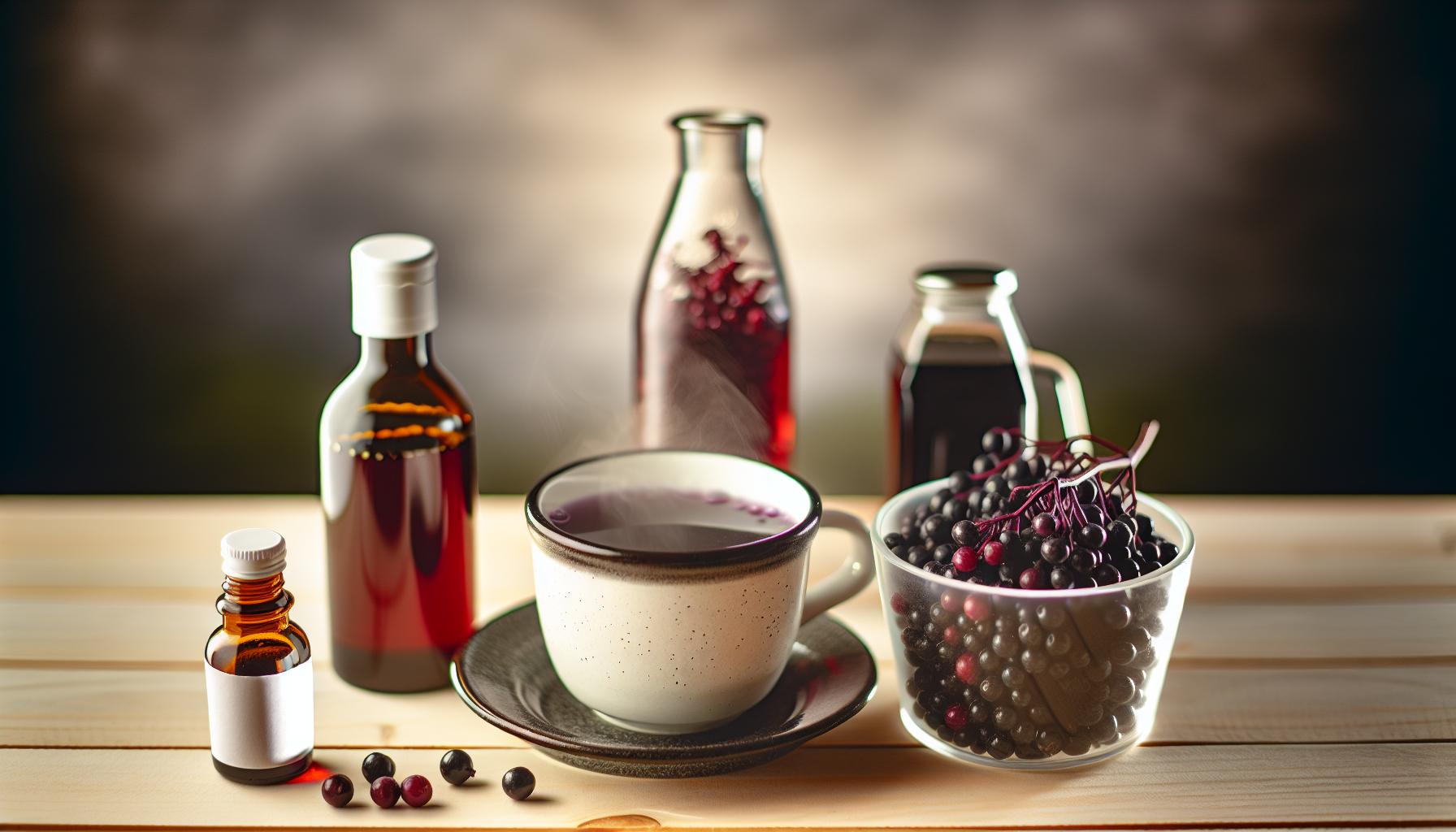
elderberry offers a warm, nurturing embrace in many gentle forms, each suited to fit the unique rhythm of postpartum life. For breastfeeding moms, choosing between teas, syrups, and supplements can feel overwhelming, but understanding their differences helps you welcome elderberry safely and comfortably into your self-care routine. these forms vary not only in potency but also in how quickly thay nourish your immune system and align with your lifestyle—whether you crave a soothing cup cradled between feeds or a concentrated dose in a capsule.
Teas provide a lovely, hydrating ritual. Made by steeping dried elderberries or elderflower, they deliver mild antioxidants and immune-supporting nutrients in a fluid you can sip throughout the day. teas are excellent for gentle, ongoing support and are usually free from added sugars or preservatives, which moms frequently enough appreciate during sensitive postpartum weeks. Brewing your own allows for the purest taste and a calming moment for yourself. For a simple elderberry tea, steep 1-2 teaspoons of dried elderberries in hot water for 10-15 minutes. Sweeten lightly with honey or a splash of lemon if desired.
Syrups, with their rich, characteristic dark purple color, are perhaps the most popular choice for boosting immunity during cold and flu season, especially in the nurturing postpartum phase when your immune defense is focused on healing.They tend to be more concentrated than teas, frequently enough made by simmering elderberries with water and a natural sweetener like raw honey. This form is beloved because it’s easy to dose—start with 1 teaspoon daily—and can be gently warmed and sipped like a nurturing tonic. When making or choosing a syrup, look for those free from alcohol or artificial additives to keep it breastfeeding-kind. Syrups also lend themselves well to mixing into warm water, yogurt, or smoothies, making them versatile for new moms balancing fatigue and limited time.
Supplements—whether capsules, extracts, or tinctures—offer a convenient way to take elderberry, especially when you’re on-the-go or prefer measured doses without preparation.These often contain standardized elderberry extract, ensuring a consistent amount of the active compounds like anthocyanins. While supplements can be potent, it’s important to opt for quality brands that avoid needless fillers or alcohol-based tinctures during nursing. Always consult your healthcare provider before introducing supplements and start with the lowest recommended dose to watch for any sensitivities.
Tips for Choosing the Right Elderberry form for you
- tea: Best for fluid intake and gentle, slow immune support. Ideal if you enjoy rituals and savor moments of quite self-care.
- Syrup: Great for concentrated immune boosting. Easy to dose and can be soothing when taken warm. Choose alcohol-free, low-sugar options.
- Supplements: Convenient and precise dosing. Perfect for busy days, but start with caution and monitor your body’s reaction.
Each form carries its own charm and purpose. Real moms often share that switching between tea and syrup depending on their day’s demands brings balance—perhaps starting the morning with a warm elderberry tea and taking a syrup before bedtime when extra immune support is vital. Remember, postpartum is your unique healing journey; listen closely to how your body and baby respond to diffrent formats, honoring your needs without pressure.
By incorporating elderberry thoughtfully—whether in a gentle cup, a sweet syrup, or a handy capsule—you nurture not only your immune health but also create moments of calm and care amid the whirlwind of nursing and recovery. this is the beautiful alchemy of motherhood: blending tradition, wisdom, and self-love in the tender weeks that follow birth.
Safe Elderberry Dosages and Timing While Nursing

elderberry’s gentle yet potent immune support can feel like a splendid ally during those early weeks of nursing, but when it comes to dosing and timing, a little mindfulness goes a long way. Because every mother and baby pair is unique, starting with the smallest effective dose allows you to observe how your body—and your little one—respond without rushing into stronger concentrations.For teas, sipping on 1 to 2 teaspoons of dried elderberries steeped for 10-15 minutes once or twice a day usually provides nourishing antioxidants with minimal risk.Syrups, being more concentrated, are best introduced at about 1 teaspoon per day, ideally spaced around feeding times to support your wellness without rushing your system.
Supplements deserve extra attention. When choosing capsules or extracts, pick alcohol-free, breastfeeding-friendly options and lean on brands that clearly state standardized elderberry content, helping you avoid unknown dosages. Begin with half the recommended serving size, allowing your body time to adjust, and keep an eye out for any digestive changes, sensitivities, or shifts in your baby’s behavior—like fussiness or skin reactions. This gentle approach honors the delicate hormonal and immune rebalancing of postpartum life,especially as your lactation hormones work intricately to nourish your child.
Practical Timing Tips for Nursing Mothers
- Morning Ritual: A warm elderberry tea after your first feeding can soothe and hydrate, setting a calm tone for the day.
- Midday Boost: If using syrup, take a small dose after feeding to gently support immune defenses without overwhelming your digestion.
- Evening Support: A teaspoon of syrup before bed may help you rest easier, but avoid taking it too late if sensitive to herbal effects.
Listening closely to your body’s rhythms—and your baby’s cues—is your best guide. Some moms find elderberry uplifting when taken on an empty stomach, while others prefer it with meals to avoid any tummy discomfort. Remember, postpartum is a deeply personal healing journey; adjust the timing and dosage as you weave elderberry naturally into your self-care tapestry. If you notice any unusual symptoms in yourself or baby, pausing and consulting your healthcare provider ensures safety without missing out on elderberry’s nurturing potential.
| Form | Starting Dose | Frequency | Notes |
|---|---|---|---|
| Tea (dried elderberries) | 1–2 teaspoons steeped | 1–2 times daily | Gentle hydration and mild antioxidant support |
| Syrup (alcohol-free) | 1 teaspoon | Once daily, adjust as needed | More concentrated; soothing when warmed |
| Supplement (capsules/extract) | half recommended dose | Once daily to start | Choose quality, alcohol-free brands; monitor reactions |
Embracing elderberry with patience and care nourishes both body and spirit during your postpartum days. This nurturing herb can be a sweet thread of wellness woven into your new motherhood story—just as long as you move gently with your natural rhythms and trust your intuition.
Potential risks and Side Effects for You and Baby

It’s natural to want to nurture yourself with elderberry’s comforting immune support during those frequently enough unpredictable postpartum days. Yet, it’s equally critically important to pause and consider how your baby might gently respond to this herbal helper. While elderberry is renowned for its antioxidant and antiviral properties, new mothers should remain mindful that not all herbal remedies are universally risk-free, especially when breastfeeding. Subtle reactions can occur, and tuning into your baby’s behavior alongside your own wellbeing is key to a safe, soothing experience for both of you.
Some nursing moms have reported mild digestive upset—like bloating or loose stools—after introducing elderberry syrup or supplements. This is often due to the fruit’s natural compounds, which can be somewhat stimulating to the digestive tract. If your baby’s stools suddenly become looser or more frequent, or if fussiness arises, scaling back or pausing elderberry use can help clarify whether it’s a contributing factor. Likewise, watch for any unusual skin changes such as rashes or increased sensitivity, which can signal a gentle allergic response or intolerance.
[2] Another consideration is choosing elderberry products carefully. The raw berries and other parts of the plant contain naturally occurring cyanogenic glycosides, compounds that can be toxic if not properly processed. Fortunately, commercial syrups and teas are typically prepared to remove these substances, making them safer options for nursing mothers when used as directed. However, homemade preparations require extra caution—always use genuine, thoroughly cooked elderberries sourced from reliable vendors to minimize risks.
Signs to Watch For in You and Baby
- Digestive changes: mild nausea, gas, or diarrhea in mom; altered stool patterns in baby.
- Allergic reactions: skin rash, itching, or redness on you or your baby’s skin.
- Behavioral shifts: increased irritability, unusual sleep disturbances, or feeding difficulties.
if any of these arise, ease off elderberry and share your observations with your healthcare provider or a trusted lactation consultant. Remember, each mother-infant pair is beautifully unique. Some find elderberry a perfect postpartum ally, while others may need to explore alternative immune-boosting herbs better suited to their sensitive systems.
Balancing Tradition and Modern Safety
Many cultures have revered elderberry for centuries, lovingly using it as a natural defense during cold seasons. This traditional trust is a beautiful thread to hold onto during your postpartum journey. Yet, in our modern age, blending this heritage with up-to-date herb safety knowledge empowers you to make the best choices without pressure or judgment. Always prioritize your comfort and your baby’s health over any expectations around “natural” remedies—this is your time to nurture both body and spirit with kindness.
| Potential Risk | How to Mitigate | When to Seek Advice |
|---|---|---|
| Digestive upset (mom or baby) | Start with low doses; take with food; observe reactions closely | if symptoms persist beyond 2-3 days or worsen |
| Allergic reactions | Introduce gradually; avoid if history of plant allergies | Immediate rash, swelling, or breathing difficulty requires urgent care |
| Exposure to unprocessed elderberry toxins | Use commercially prepared products or fully cooked homemade recipes | Any unusual symptoms after consumption warrant medical guidance |
Choosing elderberry thoughtfully, and listening deeply to your body and your baby’s subtle cues can transform this botanical into a gentle companion on your postpartum path—offering both resilience and grace to your healing days.
Listening to Your Body: When to Avoid Elderberry
It’s important to honor the signals your body and baby send when introducing any new herb, elderberry included. While elderberry can be a gentle immune ally, it’s not always the right fit for every nursing mother or newborn. If you notice unexpected changes—like increased fussiness in your baby, shifts in feeding patterns, or discomfort such as bloating or digestive upset—pause and tune in carefully. These early signs aren’t alarms but invitations to slow down,reassess,and prioritize comfort and safety for both of you.
Some moms find that starting with a small amount of elderberry syrup or tea, taken alongside food, helps prevent any tummy troubles. But if symptoms like nausea, loose stools, or skin irritations develop—whether in you or your little one—it’s wise to step back. Remember, breastfeeding is a unique dance between you and your baby, and what nourishes one duo might not suit another. There’s no failure here, only learning to navigate your postpartum journey with kindness and patience.
When to Pause or Avoid Elderberry
- Previous plant allergies: If you have known sensitivities to elderberry or related plants, it’s safest to avoid elderberry during nursing.
- Baby’s reactions: Noticeable changes in your baby’s digestion, sleep, or mood after you use elderberry suggest you may need to halt use temporarily.
- Uncertain product sourcing: Homemade elderberry preparations must be thoroughly cooked, as raw parts contain natural toxins. If you’re unsure about product safety,opt out until you can verify.
- Persistent symptoms: If discomfort in you or your baby lasts more than a few days, consulting a healthcare provider skilled in lactation and herbal safety is key.
Trusting your intuition and observing carefully creates a safe container to explore elderberry’s benefits without pressure. Every mother’s body works a little differently, especially during the emotional and hormonal rhythms of postpartum healing. taking time to listen means you honor both yourself and your baby’s well-being fully.
| Scenario | Recommended Action | When to Seek Support |
|---|---|---|
| New digestive upset or fussiness in baby post-elderberry introduction | Pause elderberry; monitor changes; resume only if symptoms resolve | If symptoms persist beyond 48–72 hours or worsen |
| allergic skin reaction (rash, redness) in mom or baby | Stop elderberry immediately; keep skin clean and dry | Seek urgent medical care if swelling or breathing issues occur |
| Using homemade or uncertified elderberry products | Avoid until you can confirm safe preparation methods | Consult herbal or medical expert before resuming |
Opening a gentle dialog with your healthcare provider or lactation consultant about elderberry is always encouraged. They can definitely help you balance cherished traditions with up-to-date safety knowledge, empowering you to make decisions that nurture your energy and honor your baby’s well-being without judgment. Remember, self-care is a path, not a race—and sometimes, the most loving choice is to wait and revisit elderberry support later in your breastfeeding journey.
Combining Elderberry with Other Postpartum Remedies
There’s a special kind of harmony that happens when elderberry is thoughtfully paired with other tried-and-true postpartum remedies. Because the postpartum period is a delicate time of physical and emotional recalibration, weaving elderberry into a gentle self-care routine alongside other safe herbs and practices can support both immune resilience and overall wellness, without overwhelming your body or baby. Though, it’s essential to move slowly and listen closely to how your body and little one respond, as combining multiple herbs or supplements may increase sensitivity or unexpected effects.
Many nursing mothers find that blending elderberry with mild adaptogens like chamomile or lemon balm tea can offer comforting relaxation while supporting immunity. These herbs have calming properties that may ease anxiety and help promote restful sleep,a sacred gift for postpartum recovery. Others choose to complement elderberry’s immune boost with vitamin C-rich foods like oranges or acerola,gently reinforcing the body’s natural defenses through nutrition. Integrating elderberry syrup with warm bone broth, rich in collagen and minerals, can create a nurturing ritual that soothes the digestive system and provides sustained nourishment.
- start small: Introduce one new herbal remedy at a time alongside elderberry to monitor any reactions.
- Space out dosages: Taking elderberry and other supplements at different times of day can reduce tummy upset.
- Consult a lactation-informed herbalist or health provider: They can definitely help tailor combinations specific to your postpartum stage and personal health needs.
Simple Postpartum Blends Featuring Elderberry
| Remedy | Benefits | Notes for Nursing Moms |
|---|---|---|
| Elderberry + Chamomile Tea | Immune support + Calming, sleep aid | Use organic chamomile; avoid in known allergies |
| Elderberry Syrup + Vitamin C Foods | Antioxidant boost + Immune enhancement | foods preferred to high-dose supplements |
| Elderberry + Warm bone Broth | Immune support + Gut healing, nourishment | Makes for comforting mealtime pairing |
Real moms’ stories often reveal the joy found combining elderberry with mindfulness practices or light movement — gentle yoga, stretching, or breathing exercises — that enhance immune balance and emotional well-being. This holistic approach honors postpartum healing as a body-wide journey, deeply tied to rest and restoration.
Remember, there’s no one right way; the postpartum path is uniquely yours. Combining elderberry with other remedies is an invitation to tune in to your body’s rhythms and your baby’s cues, creating a personal toolkit that supports your immune health and soothes your soul through this tender season.
Easy Elderberry Recipes for Nursing Mothers
The natural sweetness and immune-boosting powers of elderberry make it a gentle, nurturing choice for nursing mothers looking to support their postpartum health. Preparing elderberry in simple, soothing recipes can transform this little berry into a comforting ritual—perfect not only for its health benefits but also for the calm moments new mothers crave. Remember, when making elderberry remedies, always start with small quantities to observe how your body and baby respond.
Soothing Elderberry tea Blend
- Ingredients:
- 1 tablespoon dried elderberries (or a small spoonful of elderberry syrup)
- 1 teaspoon organic chamomile flowers
- 1 cup hot water (not boiling, to protect delicate compounds)
- Honey or maple syrup, to taste (optional, best avoided before 6 months)
- Preparation:
- Steep elderberries and chamomile together in hot water for 10 minutes.
- Strain well to remove berry skins and flower petals.
- Add a small drizzle of honey if desired, once tea is lukewarm.
- Benefits & Tips: This combination gently supports immune resilience and relaxation, promoting restful sleep. best enjoyed mid-morning or early evening, spaced from nursing if your baby shows sensitivity.
Immune-booster Elderberry smoothie
- Ingredients:
- 1 cup plain Greek yogurt or plant-based alternative (calcium and probiotics for postpartum healing)
- 2 tablespoons elderberry syrup (organic, no added sugars preferred)
- 1 small frozen banana
- ½ cup fresh or frozen blueberries
- 1 teaspoon fresh grated ginger (optional, for gentle digestion)
- ½ cup water or almond milk
- Preparation:
- Combine all ingredients in a blender and puree until smooth.
- Adjust liquid for desired thickness.
- Serve immediately to enjoy freshness and maximum nutrient potency.
- Benefits & Tips: This smoothie provides antioxidants from elderberry and berries, probiotics from yogurt, and anti-inflammatory ginger, all supporting postpartum immunity and gut health. Sip slowly and watch for any reactions in your baby.
Warm Elderberry-Infused Bone Broth
- Ingredients:
- 2 cups homemade or organic bone broth (rich in collagen and minerals for tissue repair)
- 1 tablespoon elderberry syrup
- Pinch of fresh thyme or rosemary (optional, adds flavor and gentle immune support)
- Fresh lemon wedge
- Preparation:
- Heat bone broth gently on the stove.
- Stir in elderberry syrup and herbs once warm but not boiling.
- Squeeze in lemon juice just before serving.
- Benefits & Tips: This savory drink nourishes the body while supporting immunity and digestion. Perfect for cooler days or evenings. Introduce it slowly,especially if herbs are new to your routine.
| Recipe | Best Postpartum phase | Key Benefits | Safety Notes |
|---|---|---|---|
| Elderberry + Chamomile Tea | Early & Mid postpartum | Immune support, calming, sleep aid | Check for allergies to chamomile; start with ½ serving |
| Elderberry Smoothie with Ginger | Mid Postpartum | Antioxidants, digestion support, probiotics | Avoid if baby has reflux; ginger optional |
| Warm Elderberry Bone Broth | late Postpartum | Tissue repair, immune boost, gut nourishment | Introduce herbs gradually; ensure broth low in sodium |
one wise mother shared, “Starting with a gentle elderberry tea helped me reclaim quiet moments in my hectic days. I sipped it slowly, noticing it soothed my throat and calmed my nerves, and my baby was peacefully nursing after.” Always honor your body’s signals and your baby’s reactions, cherishing how these tender recipes can be a balm for both. If ever in doubt, a conversation with a lactation-savvy herbalist or healthcare provider can beautifully complement your self-care journey.
Expert Insights and Real Mom Experiences with Elderberry
Many breastfeeding mothers find themselves searching for gentle, natural ways to boost their immune system during the vulnerable postpartum months.Elderberry,backed by centuries of traditional use and growing scientific interest,often emerges as a trusted ally. Yet, the journey of using elderberry while nursing is deeply personal, shaped by each mother’s unique body, baby, and rhythm. Real moms frequently share how beginning with a small amount of elderberry syrup or tea — carefully timed around feeding — helped them feel a layer of extra support against colds or seasonal sniffles without upsetting their little one’s tummy or sleep.
One mother fondly recalled, “My first sip of elderberry tea felt like a warm hug on a chilly day. It calmed my frazzled nerves and, surprisingly, my baby seemed more settled after nursing. I always made sure to watch for any signs of sensitivity—babies are such unique little beings,and what works beautifully for one might feel different for another.” This gentle listening is essential. While elderberry’s antioxidants and immune-boosting flavonoids are promising,experts emphasize starting with low doses and spacing doses from breastfeeding sessions to observe your baby’s reactions gently.
Practical Tips from Experienced Moms
- Start slow and observe: Begin with half the suggested dosage, preferably after a feeding, to monitor any changes in your baby’s behavior or digestion.
- Choose quality sources: Opt for organic, no-sugar-added elderberry syrups or dried berries to avoid unnecessary additives.
- Stay hydrated: enjoy elderberry in soothing blends like teas or smoothies that also support hydration and comfort.
- Combine carefully: If you mix elderberry with calming herbs like chamomile or ginger, introduce each element separately first to ensure no sensitivities.
Expert Wisdom for a Safe and Soothing Experience
Health professionals specializing in herbal medicine during lactation encourage a mindful, embodied approach. Elderberry’s immune benefits can be precious amid the hormonal and physical rollercoaster of postpartum healing, but should never overshadow the need to honor your body’s cues and your baby’s signals. Experts advise that elderberry is generally safe in food-based forms but caution about high-dose supplements, which lack sufficient research during lactation. They remind mothers that supplementation is a complement, not a substitute, for rest, nutrition, and emotional support during this time.
| Key Advice | Why it Matters | Real Mom Insight |
|---|---|---|
| Start with small,food-based doses | Reduces risk of adverse reactions in baby and mother | “I began with a teaspoon of syrup in my yogurt—slow and steady was the key.” |
| Observe baby’s sleep and digestion | each infant responds uniquely; watch for fussiness or rash | “My baby slept soundly, but I still checked daily for any changes.” |
| Consult lactation professionals when unsure | Supports safe, informed choices within holistic care | “My midwife helped me feel confident adding elderberry to my routine.” |
Ultimately, elderberry can be a gentle companion on your breastfeeding journey — an herbal freind that whispers resilience and warmth. Embracing it with care, grounded in both tradition and modern guidance, nurtures not just the body but the spirit of motherhood itself. Every mother’s path is flexible; your self-care evolves, and so does what your baby needs. Listen closely, nurture gently, and celebrate the tender balance you are creating each day.
Understanding Herbal Safety During Lactation
Many breastfeeding mothers find themselves wondering if the comforting, immune-supporting herbs they once enjoyed are still safe to use during this delicate time. Herbs like elderberry carry generations of traditional use, celebrated for their rich antioxidants and natural infection-fighting compounds. Yet, the unique physiology of lactation means that whatever enters a mother’s body can gently ripple through breast milk to her baby.This calls for a thoughtful approach that honors both maternal wellness and infant safety with nurturing care and informed mindfulness.A helpful rule is to prioritize herbs in whole-food forms — such as brewed teas, lightly diluted syrups, or culinary infusions — rather than high-concentration supplements. These gentle preparations are less likely to overwhelm your system or your baby’s developing digestive and immune processes. Starting with small, well-timed doses allows your body and baby’s reactions to guide your choices. many moms find success beginning with just a teaspoon or half a cup of elderberry tea after nursing, paying close attention for signs like changes in baby’s sleep patterns, digestion, or skin appearance. Remember, every nursing dyad is unique: some infants may thrive with these supplements, while others may prefer avoidance.
balancing Tradition and Safety: Practical Wisdom
- Choose trusted, organic sources: Avoid products with added sugars, preservatives, or non-food additives to reduce risk of irritation or allergy.
- Introduce one herb at a time: Combining elderberry with other botanicals such as chamomile or ginger can enhance wellness but introduces complexity. Test each herb separately before blending.
- Maintain hydration & nutrition: Herbal remedies complement, not replace, restful sleep, balanced meals, and emotional support essential for postpartum healing.
- Consult lactation consultants or herbalists: Personalized guidance can empower your choices and ease uncertainty.
Many experienced mothers and midwives emphasize the importance of tuning into your body’s subtle signals during lactation. Postpartum is a time of intricate hormonal shifts, tender recovery of the perineum, and evolving milk supply—all influenced by diet, stress, and supplement use.For instance, a mom who introduced elderberry tea slowly noticed not only reduced cold symptoms but found the ritual comforting to her nervous system.Meanwhile, she monitored her baby closely and paused use at the first hint of fussiness, then resumed with adjusted timing. This kind of attuned, flexible approach encourages confidence without pressure.
| herbal Safety Tip | Why It’s Important | Real Mom Perspective |
|---|---|---|
| Start with small doses of food-based elderberry | Limits exposure while monitoring baby’s tolerance | “A teaspoon of syrup after feeding was my gentle beginning.” |
| Observe your baby’s digestion and mood daily | Every infant’s response varies; early signs protect wellbeing | “My baby’s alertness and calm guided my ongoing use.” |
| Seek advice from lactation and herbal care experts | Supports informed, safe choices within your holistic healing plan | “Having my midwife’s reassurance eased my worries.” |
By blending the wisdom of traditional herbal use with respectful attention to modern lactation science, you create a safe space for both you and your baby to flourish. Trusting your intuition, backed by steady observation and gentle experimentation, honors the sacred dance of motherhood’s early days.Your body’s healing journey and your baby’s blossoming are intertwined — thoughtful herbal use can become part of this tender rhythm, enhancing resilience and fostering calm in an ever-evolving new chapter.
Elderberry has been cherished for centuries as a natural ally in warding off colds and flu, its deep purple berries packed with antioxidants and immune-boosting flavonoids. For breastfeeding mothers, this heritage invites curiosity and also caution.While traditional uses celebrate elderberry’s soothing properties, modern research reminds us that the postpartum body and infant digestive system are uniquely sensitive, and what works in other seasons of life may require adaptation now. Blending the wisdom of elders with fresh scientific understanding offers a balanced path—a way to honor time-tested remedies while safeguarding your baby’s well-being.
Research on elderberry highlights its antiviral and anti-inflammatory benefits,notably through compounds called anthocyanins. These help reduce the severity and duration of common respiratory infections, an appealing prospect for new moms whose immune systems are recalibrating after birth. Yet, scientific studies directly exploring elderberry use in lactation remain limited. This gap calls for careful practice: prioritizing easily digestible, food-based forms such as teas or lightly sweetened syrups prepared from elderberries, rather than concentrated pills or extracts that could deliver a higher dose through breast milk.
Embracing a Mindful, Informed Approach
- start low and slow: Introduce elderberry gently, perhaps with a half-cup of brewed tea post-feeding or a teaspoon of syrup, observing both your own energy and your baby’s responses.
- Opt for organic, whole-food sources: This reduces exposure to pesticides and fillers that might cause irritation or allergic reactions in you or baby.
- Honor your body’s signals: Postpartum hormones and physical healing (like repairing the perineum) can influence digestion and immune reactions, so adjust usage if you notice any digestive upset or changes in your milk supply.
- Pair elderberry with supportive herbs one at a time: Chamomile or lemon balm teas can complement elderberry’s effects while being gentle on the system, but mixing too many herbs initially may confuse cause and effect.
Many moms share that elderberry becomes not only a booster for immunity but a comforting ritual in their postpartum days—somthing warm to hold, sip, and savor amidst the busyness of new motherhood. One mother noted that a simple elderberry and ginger tea eased her seasonal sniffles without interrupting her baby’s sleep. She monitored closely, pausing use at the first sign of fussiness, then restarting at lower doses. Such real-world stories remind us that breastfeeding journeys differ,and personalized care reigns supreme.
| Traditional Use | Modern Insight | Breastfeeding Consideration |
|---|---|---|
| Elderberry syrup used to support colds and flu | Rich in antioxidants with antiviral properties | Start with diluted forms; watch baby’s digestion and alertness |
| Herbal teas made with fresh or dried elderberries | Lower concentration, easy to integrate into diet | Generally considered safe; test tolerance before increasing intake |
| Concentrated elderberry extracts or supplements | High potency but less studied during lactation | Avoid or consult healthcare provider prior to use |
Ultimately, weaving elderberry into postpartum care is a tender dance of honoring tradition and embracing evidence-based safety. Lean into this phase with patience, gentle experimentation, and the guidance of trusted lactation professionals or herbalists. By doing so, you nurture not only your own resilience but also create a nourishing rippling effect for your little one—rooted in generations of wisdom, yet blossoming with modern sensitivity.
FAQ
Q: How does elderberry interact with common postpartum medications while breastfeeding?
A: Elderberry generally has mild interactions, but it can affect immune-modulating medications or supplements. Always consult your healthcare provider before combining elderberry with postpartum medications to avoid unwanted effects.For safer use tips, see Combining Elderberry with Other Postpartum Remedies in the article.
Q: What are signs my baby might react negatively to elderberry through breast milk?
A: Watch for signs like rash, fussiness, diarrhea, or unusual sleep patterns. Such reactions are rare but important to note. If symptoms occur, stop elderberry and consult your pediatrician promptly. For more, refer to the Potential Risks and Side Effects for You and Baby section.
Q: Can elderberry enhance breast milk production or quality while nursing?
A: Elderberry is not proven to increase milk supply but may support overall maternal well-being, indirectly benefiting breastfeeding. For targeted advice on lactation support,explore resources on Understanding Herbal Safety during Lactation for complementary herbs.
Q: When is the best time postpartum to start elderberry for immune support during breastfeeding?
A: It’s safest to begin elderberry once your milk supply is well established, typically after the first 4-6 weeks postpartum. Starting too early may introduce unnecessary risks. For detailed timing and dosage guidance, check Safe Elderberry Dosages and Timing While Nursing.
Q: How does elderberry compare to other immune-boosting herbs safe for breastfeeding moms?
A: Elderberry is valued for its antiviral properties, while herbs like echinacea or ginger also support immunity differently. Choose herbs based on your personal health needs and consult experts to combine safely, as discussed in Combining Elderberry with Other Postpartum Remedies.
Q: Are there specific elderberry forms safer to use for breastfeeding women?
A: Elderberry syrups and teas with standardized, purified extracts are frequently enough safer due to controlled dosages, compared to raw or homemade elderberry which may contain toxic parts. Refer to forms of Elderberry: teas, Syrups, and Supplements Explained for safe product selection.
Q: How can I incorporate elderberry safely in my diet without affecting breastfeeding?
A: Use prepared elderberry syrups or teas in moderate amounts and avoid concentrated supplements unless prescribed. start with small doses to monitor tolerance. For recipes and step-by-step guides, see Easy Elderberry Recipes for Nursing Mothers for nurturing ideas.
Q: What precautions should breastfeeding moms take when trying elderberry for the first time?
A: Start with low doses, observe both your and your baby’s reactions, and avoid elderberry if you or your baby have allergies to berries or related plants. Always consult your healthcare provider first, as emphasized in Listening to Your body: When to Avoid Elderberry.
For nurturing self-care tips and gentle parenting wisdom, keep exploring our article sections and recipes crafted with postpartum safety at heart. Your body—and your baby—deserve the best support during this special time.
To Wrap It Up
Navigating immune support while breastfeeding can feel overwhelming, but understanding elderberry’s safety and benefits helps you make empowered choices for you and your little one. Remember, gentle herbs like elderberry can offer natural immune boosts when used thoughtfully—always considering your unique postpartum stage and consulting healthcare providers if questions arise. For practical ideas, explore our [DIY elderberry syrup recipe] and [postpartum self-care tips] to harmonize tradition with safe, nurturing care.
If you found this guide helpful, don’t miss related insights on [herbal remedies safe during lactation] and our [immune-boosting smoothie recipes for nursing moms]. Signing up for our newsletter connects you with supportive resources crafted for your motherhood journey—step into a community that honors your healing and celebrates every moment.
Have experiences or questions about elderberry while breastfeeding? Share your story or ask below—your voice enriches this space and supports other moms seeking trusted guidance. Together, we create a caring, informed community where safety meets holistic wellness every step of the way.
Get our latest guides, news, and insights highlighted in your Google Search & AI Overviews.


 CRITICAL DEVELOPMENT WINDOW