
Is Collagen Safe While Breastfeeding? Beauty & Health
Did you know collagen plays a vital role in supporting your skin, joints, and overall healing after childbirth? For many new moms, nourishing the body during breastfeeding is a top priority, but questions often arise: Is collagen safe while breastfeeding? Can it truly support postpartum recovery without affecting your little one? understanding how collagen works and its safety during lactation can ease worries and help you make choices that honor your body’s unique needs. In this gentle journey of postpartum care, collagen may offer benefits like improved skin elasticity and joint comfort, but it’s vital to explore the right types and timing for you. Let’s dive into what science and real moms say, sharing balanced insights and practical tips that empower you to nurture yourself safely while embracing the lovely complexities of motherhood.
Contents
- Is Collagen Safe During Breastfeeding? What Science Says
- How Collagen Supports Postpartum Recovery and Skin Health
- types of Collagen: Which Are best for Nursing Moms?
- Best Natural Sources of Collagen for Breastfeeding Mothers
- Collagen Supplements: Dosage,Timing,and Quality Tips
- Possible Side Effects and Safety Precautions While Nursing
- Collagen-Rich Recipes and DIY Postpartum Beauty treats
- Holistic and Cultural Wisdom on Collagen Use in Motherhood
- How collagen Interacts with Breast Milk and Infant Health
- Real Mom Stories: Collagen Experiences During Breastfeeding
- Q&A
- Q: Can collagen supplements affect breast milk production during breastfeeding?
- Q: When is the best time to take collagen while breastfeeding for optimal absorption?
- Q: Are marine collagen sources safer than bovine collagen for nursing moms?
- Q: How long after giving birth should a mom wait before starting collagen supplementation?
- Q: Can taking collagen during breastfeeding cause allergies or sensitivities in infants?
- Q: How does collagen support emotional well-being for breastfeeding mothers?
- Q: What natural collagen-rich foods are best for breastfeeding moms avoiding supplements?
- Q: Can collagen help heal breastfeeding-related skin issues like stretch marks or nipple soreness?
- Key Takeaways
Is Collagen Safe During Breastfeeding? What Science Says
Many new moms wonder if taking collagen supplements or increasing collagen-rich foods during breastfeeding is safe—not just for themselves but also for their little ones. The good news is that collagen, a protein naturally abundant in the body and essential for skin, joints, and connective tissue, is generally considered safe when consumed as part of a regular diet or supplement routine during lactation. Collagen peptides, when ingested, are broken down into amino acids, just like any other protein, and pose minimal risk of passing harmful substances into breast milk. However, because breastfeeding mothers have a unique nutritional and hormonal surroundings, it’s essential to approach collagen thoughtfully, respecting one’s body’s healing pace and nutrient needs without rushing or pressure.
What Does the Research Say?
While scientific studies focusing explicitly on collagen supplementation during breastfeeding are limited, collagen itself is a naturally occurring protein that supports overall tissue repair—a valuable ally for postpartum recovery. Experts note that as collagen peptides are derived mainly from food sources like bovine, marine, or poultry, the risk of adverse effects on a breastfeeding infant is low, provided the supplement or food choices are free from contaminants and additives. It’s prudent for nursing mothers to opt for high-quality, clean collagen sources verified by third-party testing. Also, consulting healthcare providers, especially if a mom has allergies (to fish, eggs, or bovine products), is strongly recommended to prevent any sensitivities that could indirectly affect breast milk or skin health.
Practical Tips for Moms Considering Collagen
- Choose food-based collagen first. Bone broths,rich in natural collagen,offer gentle nourishment and hydration,alongside minerals and amino acids vital to breastfeeding energy needs.
- Start small and observe. If taking collagen powders or capsules, begin with the lowest recommended dose to gauge personal tolerance and watch for any changes in digestion or skin.
- Avoid collagen products with added caffeine or untested herbal blends. Some “beauty” supplements contain ingredients not recommended during breastfeeding, so reading labels is key.
Remember,every mother’s body responds differently,and self-compassion during this tender time is crucial. Nourishing yourself gently lays the foundation for vibrant,sustained breastfeeding without placing undue pressure on “bouncing back” or quick fixes.
This nurturing phase invites a respectful balance between evidence-based recommendations and honoring cultural or family traditions of postpartum care, many of which include collagen-rich broths and soothing rituals that naturally support skin and joint health. Above all, trust your instincts, seek knowledgeable guidance, and remember: taking small, consistent steps toward healing is an act of love both for you and your baby.
How Collagen Supports Postpartum Recovery and Skin Health
Many new mothers find that nurturing their bodies with collagen can be a gentle yet powerful way to support healing after birth. Collagen plays a crucial role in repairing connective tissue, soothing skin stretched from pregnancy, and strengthening joints that have borne new physical demands. Because postpartum bodies undergo rapid changes—both visible and unseen—layering in nourishing collagen can feel like a quiet kindness, a way to honor and restore without rushing or pressure.During postpartum recovery, collagen supports the rebuilding of tissues affected by childbirth, including the uterus and perineum, while also helping maintain skin elasticity and hydration. this natural protein is essential for producing the supple,resilient skin many moms hope for but frequently enough find changes in after pregnancy. While breastfeeding, hormonal shifts continue to influence skin texture and sensitivity, making collagen’s hydration and repair functions even more valuable. For example, collagen peptides provide amino acids like proline and glycine, which serve as building blocks not just for skin but also for bones and ligaments, helping ease joint discomfort common postpartum.
Practical Ways to Weave Collagen Into Postpartum Care
Many experienced moms find comfort in traditional practices like sipping collagen-rich bone broth, which naturally combines protein, minerals, and hydration—all key to revitalizing postpartum energy. Here’s a simple homemade bone broth recipe that you can prepare in advance and sip through your day:
- Ingredients: 2-3 pounds of organic beef or chicken bones, 2 carrots, 2 celery stalks, 1 onion, 2 cloves garlic, 1 tbsp apple cider vinegar, filtered water, and a pinch of sea salt.
- Readiness: Combine ingredients in a slow cooker, cover with water, and simmer on low for 12-24 hours. Strain and refrigerate, then warm before drinking.
Taking collagen supplements can also be thoughtfully introduced—starting with low doses to observe how your body feels. Look for hydrolyzed collagen peptides sourced from clean, tested suppliers, avoiding formulas with caffeine or unverified herbs. Remember, collagen isn’t a quick fix but a steady partner in nurturing your postpartum body, complementing a balanced diet and gentle self-care rituals.
Recognize that individual recovery journeys vary, and what feels restorative for one mama may differ for another. Embracing collagen as part of a mindful, holistic routine supports not just your physical healing but also honors the emotional and hormonal complexity of motherhood. Through a blend of science,tradition,and personal wisdom,you can cultivate a nourishing foundation for both your skin’s glow and your body’s resilience in this unusual season.
types of Collagen: Which Are best for Nursing Moms?
collagen isn’t just one uniform substance—it’s a family of proteins, each with its unique role in keeping our bodies strong, supple, and resilient—a fact that’s especially important for new mothers navigating postpartum recovery while breastfeeding. among the many types of collagen, Types I, II, and III take center stage for supporting skin, joints, and connective tissues, all areas often tender in the nursing months.Understanding which forms align best with your current needs helps you make nourishing choices that honor your body and baby.
Type I collagen is the most abundant in the human body, serving as the primary building block for skin, tendons, and bones. It’s incredibly supportive for postpartum skin elasticity, helping smooth those stretch marks and soothe areas that stretched and shifted during pregnancy. Nursing moms often find hydrolyzed collagen peptides rich in Type I collagen especially beneficial,as these smaller molecules absorb easily and gently aid skin repair and hydration without overwhelming sensitive systems. Type III collagen complements Type I beautifully; it’s found in skin and blood vessels, and is vital for tissue elasticity and healing wounds—like the uterus and perineum after childbirth.
Type II collagen, meanwhile, is a key player in cartilage health, important if you’re experiencing joint discomfort common in postpartum due to the hormonal relaxation of ligaments combined with the physical demands of nursing and caring. While it’s less prominent for skin, supplemental Type II collagen might assist in easing stiffness or joint soreness that some breastfeeding mothers face—always check with your healthcare provider before adding new supplements during lactation.
Collagen Forms to Look For
- Hydrolyzed Collagen Peptides: These are broken-down proteins that digest efficiently and support skin and overall tissue rejuvenation. Ideal for nursing moms seeking gentle, effective supplementation.
- Gelatin: This cooked form of collagen is great for homemade collagen-rich recipes like bone broth or DIY beauty treats. It supports skin and gut health, which is often beneficial postpartum.
- Undenatured Type II Collagen: Best suited for joint support, this form maintains its complex structure and can sometimes offer immune support related to connective tissues.
Real moms share how collagen powders that blend Types I and III have been a quiet comfort through sleepless nights and hormonal skin shifts—boosting hydration and soothing joint aches—while homemade bone broths pack the nourishing punch that has been cherished across generations. Listen to your body’s rhythm in choosing which collagen fits your healing journey best, and complement this with balanced nutrition and mindful self-care.As always, if you are considering new supplements, especially during breastfeeding, consult your healthcare provider to ensure safety for you and your baby.
Best Natural Sources of Collagen for Breastfeeding Mothers
Collagen is a cornerstone for postpartum healing, quietly rebuilding strength and elasticity in skin and connective tissues after birth. For breastfeeding mothers seeking to nurture themselves naturally, turning to whole foods rich in collagen—and its vital cofactors—offers gentle nourishment that supports both mom and baby. Incorporating collagen through diet taps into centuries-old wisdom embraced by diverse cultures, where bone broths, slow-simmered meats, and nutrient-dense soups are staples handed down from generation to generation.
skin and joint health depend not only on collagen itself but also on vitamins and minerals that help the body produce and maintain it. Rich natural sources tend to come from animal-based foods, where collagen-rich tissues and bones provide the building blocks your body recognizes easily. for example, homemade bone broth simmered for hours releases collagen peptides, gelatin, and amino acids like proline and glycine, all essential for postpartum recovery, wound healing, and skin hydration without taxing digestion. Many nursing moms appreciate how a warm, nourishing broth offers comforting self-care alongside a gentle collagen boost.
Plant-based foods don’t contain collagen directly but provide critically important nutrients that support your collagen network. Vitamin C-rich fruits and leafy greens like oranges, strawberries, bell peppers, and kale aid collagen synthesis—a process your body naturally engages in as it heals after childbirth. Anchoring meals around a balance of collagen-containing animal sources plus colorful, antioxidant-rich plant foods nurtures skin and connective tissue health most effectively. Here are some accessible options to blend into your postpartum routine:
- Bone Broth: Slow simmer bones (chicken, beef, fish) with herbs and vegetables for 6-24 hours to create a collagen-rich mineral-packed elixir.Sip warm or use in soups and stews for easy digestion and gentle nourishment.
- Gelatin: Derived from collagen, gelatin can be added to homemade gummies, panna cottas, or yogurt parfaits. It supports gut lining repair, which is often helpful during the hormonal shifts of postpartum.
- skin-on Poultry & Fish: Chicken skin, pork skin, and fish skin are excellent collagen sources. Incorporate these in homemade meals like baked chicken thighs or crispy salmon skin snacks.
- Egg Whites: While they don’t contain collagen per se, egg whites are rich in proline, an amino acid critical for collagen production.
- Vitamin C-rich Fruits and Vegetables: Oranges, papayas, strawberries, broccoli, and bell peppers enhance your body’s ability to build and maintain collagen, making them great partners for collagen-rich meals.
Many breastfeeding moms find that preparing collagen-rich broths or stews in batches creates a soothing ritual that supports their emotional well-being alongside physical recovery. Making it a gentle, stress-free practice honors the complexity of postpartum healing. Remember, individual needs and tolerances vary—if you have any dietary restrictions or concerns, consulting a lactation consultant or healthcare provider ensures your self-care plan supports both you and your baby safely.
Simple Bone Broth Recipe for nursing Moms
- 2-3 pounds of beef, chicken, or fish bones (preferably organic or pasture-raised)
- 1 large carrot, roughly chopped
- 1 celery stalk, chopped
- 1 small onion, quartered
- 2 cloves garlic, smashed
- 1 tbsp apple cider vinegar (helps draw collagen from bones)
- Filtered water, enough to cover ingredients
- Optional herbs: bay leaves, thyme, parsley
- Place bones in a large pot or slow cooker.
- add vegetables, garlic, apple cider vinegar, and herbs.
- Cover with water and bring to a gentle simmer.
- Simmer for 12-24 hours,topping up water as needed.
- Strain broth and cool; refrigerate or freeze in portions.
- Enjoy a warm cup daily or use as a flavorful base for soups and stews.
Gentle nourishment like this encourages healing while respecting the hormonal and emotional shifts of the nursing phase. Integrating collagen-rich whole foods creates a vibrant foundation for your postpartum journey—a tender way to celebrate both your strength and your body’s natural rhythms.
Collagen Supplements: Dosage,Timing,and Quality Tips
Collagen supplements can be a gentle and supportive addition to a breastfeeding mother’s wellness routine,but thoughtful choices about dosage,timing,and quality can make all the difference. While natural food sources remain foundational, supplements often offer a convenient boost when mama’s energy and time feel stretched — especially during the busy postpartum period. As every body is unique,tuning into your own needs and consulting with your healthcare provider or lactation consultant will help you find what feels right for you and your baby.
Starting softly with a typical daily dose of 5 to 10 grams of hydrolyzed collagen peptides is widely regarded as safe and effective during breastfeeding.These peptides are broken-down collagen that your body absorbs more easily, supporting skin elasticity, wound healing, and joint comfort. Many moms notice benefits within a few weeks, but collagen works best as a consistent ritual rather than a quick fix. taking supplements either in the morning with vitamin C-rich foods (like a fresh orange or kiwi) or as part of a soothing evening routine fits naturally into daily rhythms and supports collagen synthesis—when vitamin C acts as a key collaborator in rebuilding skin and connective tissue.
Choosing High-Quality Collagen: What to Look For
- Source: Opt for collagen peptides from grass-fed, pasture-raised bovine, wild-caught fish, or organic poultry to avoid unneeded toxins and support lasting farming.
- Hydrolyzed Form: This breakdown form ensures easier digestion and faster absorption, gentle on postpartum digestion and compatible with nursing.
- Minimal ingredients: Look for pure collagen without fillers, artificial sweeteners, or allergens like gluten or dairy, especially important for sensitive postpartum bodies.
- Third-Party Testing: Brands that provide clarity through testing for heavy metals and contaminants offer extra reassurance for safety during lactation.
Many nursing mothers find mixing collagen into warm teas,smoothies,or fortified broths an easy way to nurture themselves while multitasking. As a notable example, a collagen-boosted citrus smoothie with spinach, pineapple, and a spoonful of collagen powder can feel like a special treat, loaded with vitamin C and antioxidants to nourish skin and mood.
Simple Collagen-Boosting Smoothie for Nursing Moms
- 1 cup spinach or kale (rich in vitamin C and antioxidants)
- 1/2 cup pineapple or fresh orange segments (helps collagen synthesis)
- 1 scoop hydrolyzed collagen peptides (5-10 grams)
- 1/2 cup plain Greek yogurt or plant-based alternative
- 1/2 cup water or coconut water
- Optional: 1 tsp chia seeds or flaxseeds for omega-3 support
- Blend all ingredients until smooth.
- Enjoy fresh for an energizing and skin-loving boost.
remember, collagen supplements are meant to complement—not replace—a balanced diet full of whole foods. While research supports their safety during breastfeeding, the postpartum journey is deeply personal. If you experience any unusual symptoms, such as digestive upset or allergic reactions, pause supplementation and seek guidance.Trusting your intuition and honoring your body’s signals creates a beautiful balance between self-care and nurturing your little one.
Possible Side Effects and Safety Precautions While Nursing
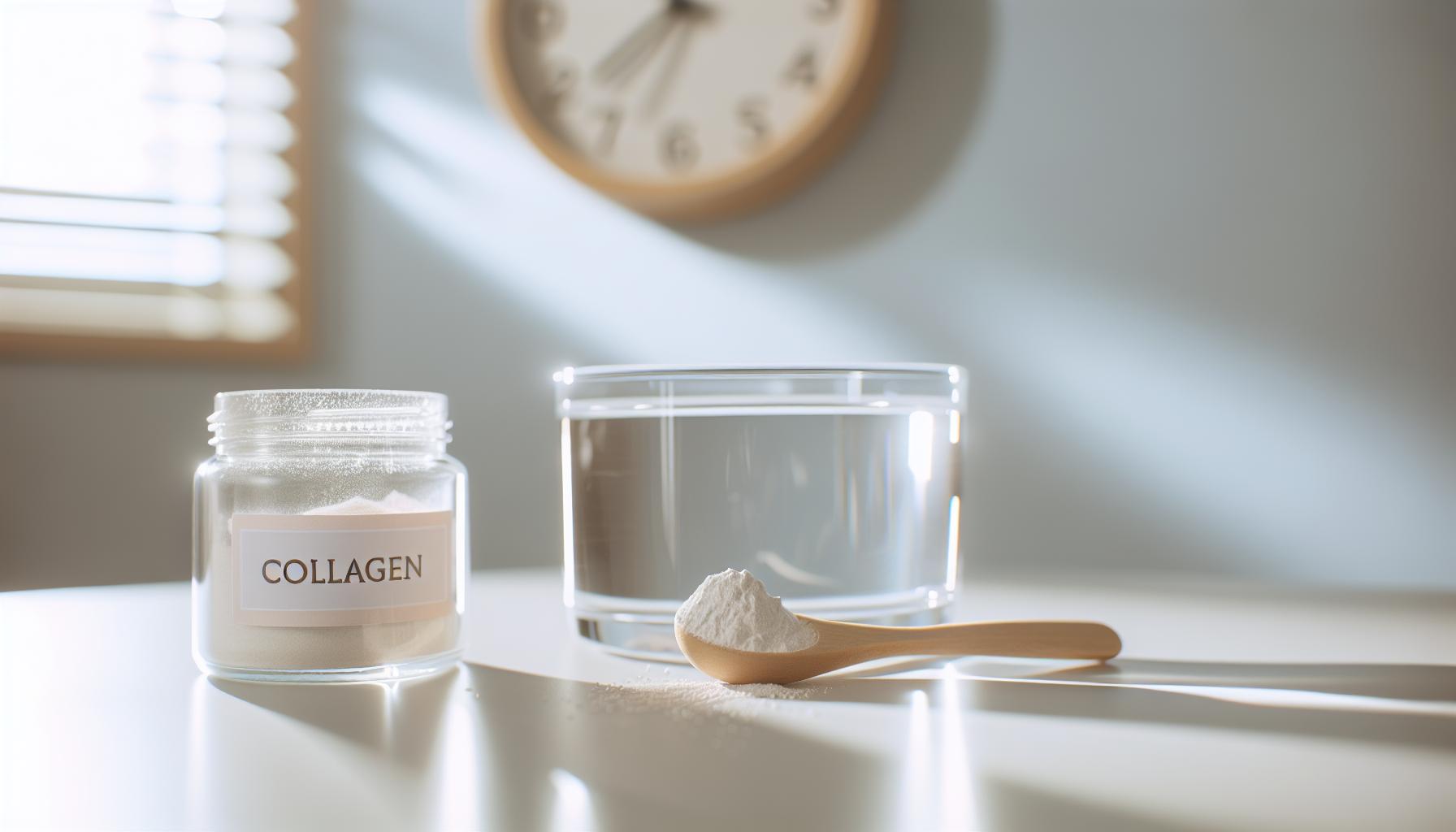
It’s understandable to wonder about the safety of collagen supplements while breastfeeding—after all, everything you consume can feel like it has a direct line to your baby. The good news is that hydrolyzed collagen peptides, the most common form of collagen supplements, are generally considered safe during lactation when taken in moderate amounts. These peptides are essentially small chains of amino acids broken down for easier digestion, which your body absorbs naturally. Though, as every mother and baby are unique, paying attention to your body’s response is key.Some nursing moms report mild digestive changes—like bloating or mild stomach upset—especially when starting collagen supplements or increasing dosage too quickly.
Keeping the dose gentle and gradual tends to avoid most side effects.Starting with 5 to 10 grams daily is a common approach, and pairing collagen intake with vitamin C-rich foods can help your body make the most of these nutrients. It’s wise to choose high-quality, third-party tested collagen powders with minimal ingredients—no artificial sweeteners or allergens like gluten or dairy—to reduce any risk of irritation or allergic reactions during this time. If you notice any unusual symptoms such as rashes, itching, or digestive discomfort that doesn’t resolve within a few days, it’s best to pause the supplement and consult your healthcare provider.
Safety Tips and Precautions for nursing Moms
- Consult your healthcare provider or lactation consultant before starting collagen, especially if you have a history of allergies or food sensitivities.
- Observe your baby’s behavior and digestion—colic, rash, or changes in feeding might indicate a reaction to something in your diet or supplements.
- Choose hydrolyzed collagen peptides for easier digestion and absorption.
- Avoid collagen blends with added herbs or complex ingredients unless recommended by trusted professionals, as some herbs aren’t safe during breastfeeding.
- Stick to recommended dosages, don’t assume “more is better.” Your body is already adapting to new nutritional demands.
- Maintain a nutrient-rich, balanced diet alongside supplementation for the best postpartum support.
Many mothers find it helpful to integrate collagen through foods and beverages they already enjoy, like smoothies or warm broths, creating gentle rituals that nurture both body and soul. Remember, choosing supplements is a personal and evolving journey—honoring how your body feels, your comfort levels, and your baby’s well-being creates a safe space for healing and growth. Sharing your experiences with other moms or doulas can bring additional support and reassurance during this transformative time.
Collagen-Rich Recipes and DIY Postpartum Beauty treats
Many nursing moms find comfort in nourishing their bodies with collagen-rich foods and gentle DIY beauty treats, embracing a ritual that supports healing and self-care without pressure or haste. Collagen isn’t just a supplement—it’s a holistic part of nurturing your changing postpartum body. Creating simple, soothing recipes using natural ingredients can definitely help boost your collagen intake while respecting your unique journey through breastfeeding. This approach honors the deep connection between food,skin health,and emotional well-being in new motherhood.
Soothing Bone Broth Elixir
Bone broth is a traditional powerhouse of natural collagen, rich in amino acids that support skin elasticity and tissue repair—key elements for postpartum recovery. It’s hydrating, comforting, and easy to digest, making it a nurturing choice during lactation.
- Ingredients: 4 cups organic chicken or beef bone broth, 1 tsp apple cider vinegar, ½ lemon (juiced), pinch of sea salt, optional fresh herbs like thyme or rosemary.
- Preparation: Warm the broth slowly on the stove. Add apple cider vinegar early to help extract collagen from bones. Stir in lemon juice and sea salt just before drinking. Sip slowly.
- Benefits: Supports gut health and skin regeneration; rich in minerals vital to postpartum healing.
This broth can be sipped daily or incorporated as a base for gentle soups, providing ongoing nourishment that feels cozy and restorative.
Vitamin C + Collagen Smoothie Boost
Vitamin C is crucial for the body’s natural collagen synthesis, so pairing your collagen supplement with vitamin C-rich ingredients amplifies benefits.Smoothies offer an easy, quick way to blend these nutrients with a postpartum feeding schedule.
- Ingredients: 1 cup spinach or kale, ½ cup frozen berries (strawberries or blueberries), 1 small banana, 1 tbsp collagen peptides, 1 tsp fresh grated ginger, 1 cup coconut water or almond milk.
- Preparation: Blend all ingredients until smooth. Adjust thickness with additional liquid as needed. Drink fresh.
- Tips: start with 5–10 grams collagen peptides daily, then adjust as tolerated.
This smoothie supports skin elasticity, provides antioxidants, and hydrates, all while fitting seamlessly into a busy mom’s routine.
DIY Gentle Collagen Face mask
Self-care can extend beyond nutrition. A hydrating, collagen-supporting face mask made with kitchen staples offers a calming moment, helping soothe postpartum skin that may feel dry or sensitive due to hormonal shifts.
- Ingredients: 1 tbsp plain Greek yogurt (probiotic-rich),1 tsp collagen powder,½ tsp raw honey (antibacterial),1 tsp mashed avocado (moisturizing).
- Preparation: Mix all ingredients into a smooth paste. Apply to clean face, avoiding eyes. Leave on 10–15 minutes, then rinse with lukewarm water. Pat dry gently.
- safety: Patch test before full application. Avoid any mask with irritation or allergy signs.
This mask nourishes the skin’s connective tissue and creates a moment of mindfulness, supporting emotional as well as physical wellness.
Safe, Simple, and Adaptable
Remember, every mama and baby dyad is different. Slow, mindful introduction of collagen—through food or DIY treatments—gives your body time to adjust and allows you to observe any reactions calmly. Avoid herbs or essential oils that have not been confirmed safe for breastfeeding. When in doubt, consult your healthcare provider or lactation consultant.
By weaving these nutrient-rich recipes and rituals into your postpartum days, you create a nurturing environment where healing flourishes naturally. Embrace these small, loving acts for yourself—they honor your body’s astonishing journey without pressure or expectation, just gentle, effective care.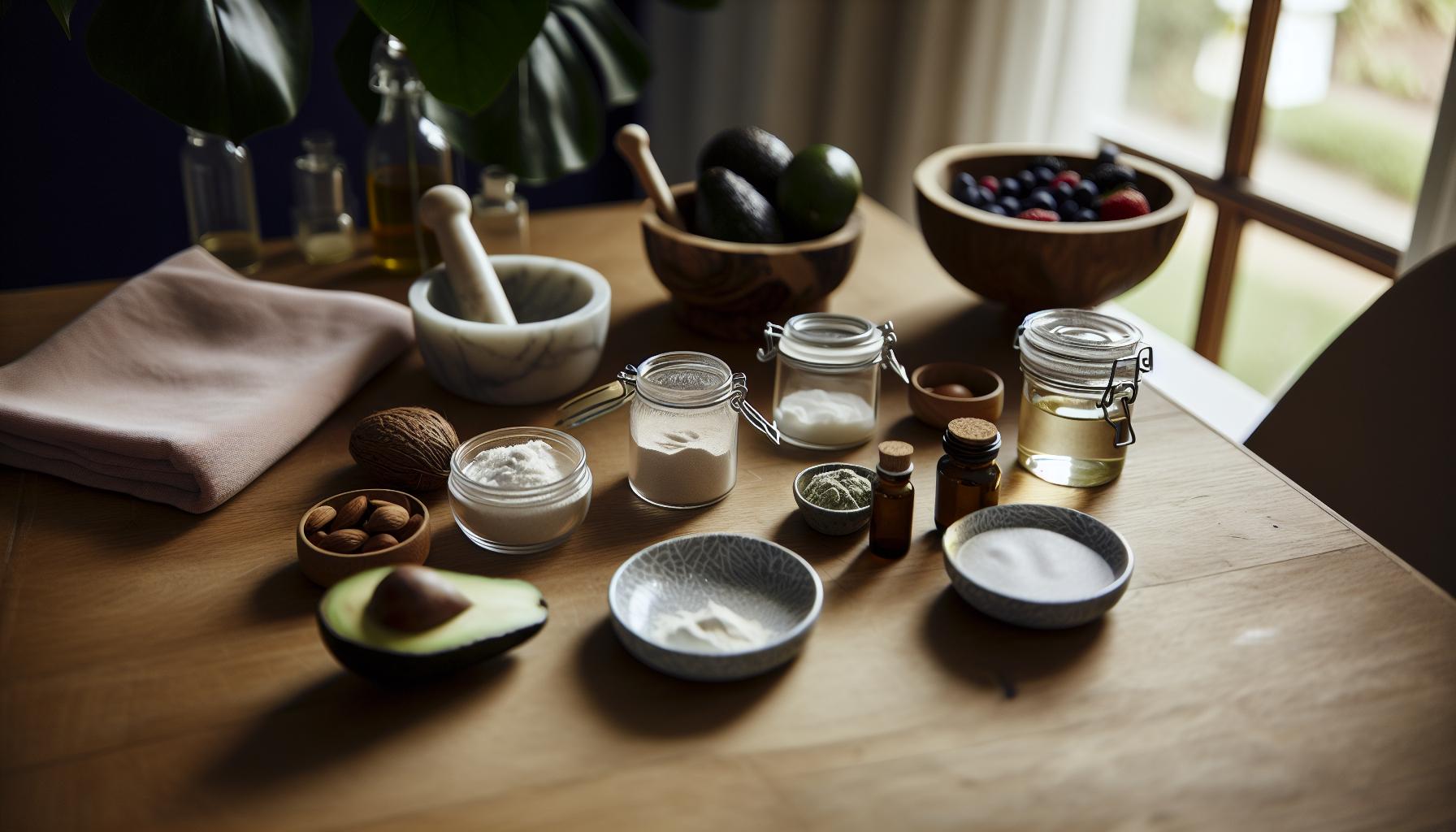
Holistic and Cultural Wisdom on Collagen Use in Motherhood
Many cultures around the world have long embraced collagen-rich foods and rituals in motherhood, recognizing their gentle power to support healing, vitality, and beauty after birth. From nourishing broths simmered slowly over hours in Indigenous kitchens to herbal-infused teas sipped quietly in Asian postpartum customs, these traditions offer more than just physical nourishment—they are invitations to pause, connect, and deeply care for yourself during a time of profound change. Honoring these time-tested practices alongside modern knowlege encourages a balanced, thoughtful approach to collagen use in breastfeeding.
In communities such as the Chinese *zuo yuezi* (“sitting the month”), such as, new mothers are encouraged to consume bone broths and gelatin-rich soups designed to rebuild strength and promote skin elasticity, all while resting and bonding with baby. These foods aren’t chosen casually; they harness the natural amino acids and minerals essential for connective tissue repair and hydration. Similarly, many Indigenous cultures see collagen-containing foods like fish skins or animal parts not merely as nourishment but as sacred gifts that strengthen the body’s resilience postpartum. Embracing such holistic viewpoints helps normalize self-care without pressure, reminding mothers that slowing down to nurture their own tissue repair is deeply valuable.
Bringing Ancient Wisdom Into Your Postpartum Days
Here are some gentle ways to weave cultural and holistic approaches to collagen into your routine, tailored for the postpartum phase:
- Warm Bone Broth Ritual: Set aside quiet moments to sip homemade bone broth, adding gentle herbs like thyme or ginger known for digestive support. The ritual itself becomes a form of meditation,allowing your body and mind space to heal.
- Herbal Collagen Cyclers: Use safe herbs traditionally used in postpartum care (e.g., nettle, red raspberry leaf) by brewing nourishing teas. These herbs not only support lactation but also provide micronutrients assisting collagen synthesis—always consult your healthcare provider to avoid contraindications.
- Gentle Movement & Skin Care: Incorporate practices like soft stretching or postpartum yoga, combined with collagen-boosting homemade face or body masks using kitchen staples like yogurt and honey, honoring your skin’s conversion without harsh ingredients.
Remember, each mother’s journey is unique.While cultural wisdom offers rich guidance, always listen to your body—what feels nurturing for one may differ for another. These traditions remind us that healing in motherhood is not a race toward “bouncing back” but a delicate,deeply personal unfolding of strength and self-love. Safely integrating collagen and holistic care within the context of your breastfeeding relationship creates a beautiful circle of nourishment—for you and your baby alike.
How collagen Interacts with Breast Milk and Infant Health
Collagen is a vital protein that supports the structure and elasticity of our skin, joints, and connective tissues. When breastfeeding, many mothers wonder how adding collagen—whether through food or supplements—might affect their breast milk and, ultimately, their baby’s health. The good news is that collagen peptides consumed by a nursing mother are broken down into amino acids during digestion. These building blocks are safely absorbed into the bloodstream and can support the mother’s tissue repair and overall wellness without passing in whole form into breast milk. This means collagen itself does not directly transfer to the baby, but the nutrition you provide your body from collagen can help create a healthy environment for lactation and postpartum recovery.
Mothers often ask if collagen could influence the quality or safety of breast milk.While there is no direct evidence that collagen affects breast milk composition, supporting your body’s collagen production through natural foods and cautious supplementation can enhance skin elasticity, wound healing, and joint comfort during this vulnerable time. A well-nourished mother can better meet the demands of breastfeeding,as her connective tissues heal and her skin regains resilience—critically important factors for comfort and confidence in postpartum healing. It’s always wise to choose high-quality collagen products free from additives,and consult your healthcare provider to ensure any supplement aligns with your lactation goals and individual health profile.
Practical Tips for Supporting Breast Milk and Baby’s Health Through Collagen
- Focus on whole food collagen sources: Homemade bone broths cooked slowly from quality bones release natural collagen and minerals in forms your body readily uses. These broths can be calming, hydrating, and nutritious during breastfeeding.
- Pair collagen with vitamin C-rich foods: Vitamin C is essential for your body’s collagen synthesis. Adding citrus fruits, bell peppers, or leafy greens to your diet supports both your collagen production and overall milk quality.
- Avoid unproven or heavily processed collagen supplements: Stick to trusted brands with transparent ingredient lists. Avoid products with artificial sweeteners, fillers, or unknown additives that might disrupt your baby’s sensitive system.
Every mother’s body responds a bit differently. Some may find collagen-containing treats like gelatin desserts or collagen-infused smoothies comforting and helpful, while others prefer to support healing through natural diet and self-care rituals alone. Above all, listen to your body and respect its wisdom during this delicate postpartum phase. Nourishing yourself well is an act of love that ripples gently to your little one, fostering a nourishing circle of health and care.
Real Mom Stories: Collagen Experiences During Breastfeeding
Many moms find that incorporating collagen into their postpartum wellness routine feels like a gentle way to support their healing and boost energy during the demanding breastfeeding phase.One mother shared how sipping collagen-infused bone broth in the evening became a soothing ritual that helped her feel more grounded and replenished after long days nursing her newborn.She noticed her skin felt softer, and small aches around her joints eased over time—simple changes that added up to a big emotional lift. Another mom found that collagen peptides blended into her morning smoothie gave her a subtle boost without upsetting her digestion or affecting her milk supply, making it easier to meet the physical demands of new motherhood.
It’s critically important to recognize that every nursing mom’s experience varies. Some moms reported increased confidence in healing from birth-related skin changes and perineal soreness when they prioritized collagen-rich foods combined with vitamin C from fresh fruits and vegetables. These moms embraced a whole-food approach, carefully avoiding collagen supplements with fillers or artificial ingredients, which underscored their gentle, natural postpartum care ideology. others preferred waiting until their baby was a few months old before reintroducing collagen supplements, honoring their body’s unique pace of recovery and lactation balance.
Tips from Moms Embracing Collagen During Breastfeeding
- start slow: One mom suggested beginning with small daily doses of collagen peptides mixed into soups or smoothies,then observing how your body and milk supply respond over a week or two.
- Keep it simple and nourishing: Homemade bone broth was a standout favorite across experiences—rich in natural collagen, easy to digest, and packed with minerals.
- Pair with vitamin C: Pairing collagen intake with foods like kiwi, oranges, or red bell peppers helps your body produce its own collagen more efficiently, which was a common practice moms felt boosted their energy and skin health.
- Listen to your body: Some moms noted mild digestive changes or sensitivities during early supplementation, reminding us all to honor our body’s signals and pause if needed.
Above all, moms advocate for a spirit of kindness toward oneself—focusing on nourishment rather than quick fixes or “bounce-back” pressures. One breastfeeding mother beautifully captured this sentiment: “Adding collagen was less about changing my body instantly and more about supporting myself through this incredible, tiring journey. it felt like giving my body a hug from the inside.” These collective stories illuminate how collagen, when chosen mindfully and used gently, can be a comforting thread woven into the postpartum tapestry of self-care, healing, and radiant motherhood.
Q&A
Q: Can collagen supplements affect breast milk production during breastfeeding?
A: Collagen supplements generally do not affect breast milk production, as they primarily support maternal skin and joint health.Though,if you notice any changes in milk supply,consult your healthcare provider. for safe supplement use and natural collagen support, see our section on Best Natural Sources of Collagen for Breastfeeding Mothers for gentle, nurturing options.
Q: When is the best time to take collagen while breastfeeding for optimal absorption?
A: The best time to take collagen while breastfeeding is on an empty stomach, ideally in the morning or before bed. This timing enhances absorption and supports skin elasticity and postpartum recovery. Pairing collagen with vitamin C-rich foods can further boost its effects—more details are in the Collagen supplements: Dosage,timing,and Quality Tips section.
Q: Are marine collagen sources safer than bovine collagen for nursing moms?
A: Marine collagen is often considered safer and more bioavailable for nursing moms due to its smaller peptide size and lower allergen risk. Always choose sustainably sourced, high-quality marine collagen if you have sensitivities. Learn about collagen types best suited for nursing in our Types of Collagen: Which Are Best for Nursing Moms? section.
Q: How long after giving birth should a mom wait before starting collagen supplementation?
A: Most moms can start collagen supplementation a few weeks postpartum, once breastfeeding is well established and no adverse reactions occur. This timing helps support skin healing and postpartum recovery without disrupting lactation. For personalized guidance, review our Safety Precautions While Nursing section or consult a lactation specialist.
Q: Can taking collagen during breastfeeding cause allergies or sensitivities in infants?
A: Collagen supplements are unlikely to cause allergies in infants since collagen peptides are broken down during digestion. However, monitor for unusual reactions and discuss any concerns with your pediatrician. Our article’s Possible Side Effects and Safety Precautions section offers practical tips to keep both mom and baby comfortable.
Q: How does collagen support emotional well-being for breastfeeding mothers?
A: Collagen’s role in reducing inflammation and supporting joint comfort can enhance emotional well-being by easing physical discomfort during breastfeeding. Feeling comfortable physically frequently enough improves mood and confidence in new moms.Explore holistic insights in Holistic and Cultural Wisdom on Collagen Use in Motherhood for nurturing self-care ideas.
Q: What natural collagen-rich foods are best for breastfeeding moms avoiding supplements?
A: Natural foods rich in collagen include bone broth, chicken skin, fish, and egg whites, which nourish skin and joints safely during breastfeeding. Incorporate these into meals or try DIY beauty treats in our Collagen-Rich Recipes and DIY Postpartum Beauty Treats section for wholesome postpartum care.
A: Yes, collagen supports skin elasticity and repair, which may improve stretch marks and soothe mild nipple soreness. Consistent collagen intake paired with moisturizing routines enhances skin healing postpartum. For safe, gentle approaches, see our How Collagen Supports Postpartum Recovery and Skin Health section and try recommended skincare recipes.
For more personalized tips and nurturing postpartum guidance, explore our full article sections and embrace your unique motherhood journey with safe, effective collagen support.
Key Takeaways
Navigating collagen use while breastfeeding is a personal journey, shaped by your body’s unique needs and safety priorities. Remember, choosing collagen supplements or natural recipes during lactation is about supporting your wellness gently and effectively—always considering timing, dosage, and trusted ingredients. If you’re curious about safe postpartum nutrition or gentle self-care routines, explore our guides on nourishing smoothies and herbal teas designed specifically for new moms.
To continue fostering your postpartum glow, check out our Postpartum Nutrition Essentials and Holistic Self-Care Tips for Breastfeeding Moms.Signing up for our newsletter ensures you never miss expert-backed advice, real mom stories, and step-by-step recipes crafted with love and safety in mind. Have questions or experiences to share? Join the conversation below—your voice helps build our nurturing community.
Your health and your baby’s safety are paramount—and choosing the right collagen approach can support healing and beauty from within. Explore our resources to find balanced solutions that honor your motherhood path, and revisit anytime for fresh insights on breastfeeding wellness, lactation support, and holistic postpartum care.
Get our latest guides, news, and insights highlighted in your Google Search & AI Overviews.


 WARNING TO PARENTS