
How to Safely Lose Weight While Breastfeeding: Expert Tips
Did you know that safely losing weight while breastfeeding is not only possible but can actually support your well-being and milk supply? Many new moms worry about shedding postpartum pounds without harming their baby or their own health. This journey is deeply personal, shaped by your body’s unique healing and hormonal rhythms after birth. in this guide, we’ll gently explore expert tips that respect your breastfeeding goals and honor your body’s needs. You’ll find practical advice that blends trusted medical knowledge with nurturing, holistic approaches—think easy recipes for lactation-friendly meals and safe herbal teas, along with mindful pacing during each postpartum phase.There’s no rush or “bounce back” pressure here, only supportive steps to help you feel confident and cared for. Whether you’re curious about how to balance nutrition and energy or looking to navigate physical changes with kindness, this article is your companion in creating a safe, nourishing path forward. Let’s embrace this new chapter with curiosity, patience, and gentle empowerment.
Contents
- safe Timeline for Weight Loss While Breastfeeding
- Balancing Nutrition: Eating for Milk Supply and Weight Loss
- Gentle,Effective Exercises for Postpartum Moms
- Hydration and Its Role in Breastfeeding Weight Loss
- Managing Hunger and Cravings with Nourishing Snacks
- Herbs, supplements, and Teas: What’s Safe to Use
- Mindful Self-Care: Supporting Your Emotional Health
- Understanding Hormones and Postpartum body Changes
- Meal Planning with Easy, Lactation-Friendly Recipes
- Tracking Progress Without stress or Guilt
- Real Mom Stories: Finding what Works for You
- Frequently asked Questions
- Q: How can I prevent nutrient deficiencies while losing weight and breastfeeding?
- Q: What is the safest way to combine intermittent fasting with breastfeeding?
- Q: Can stress affect weight loss during breastfeeding, and how can I manage it?
- Q: Which types of postpartum exercises are safest for moms with diastasis recti while breastfeeding?
- Q: How does breastfeeding frequency influence weight loss efforts?
- Q: What are safe strategies to handle intense hunger without compromising milk supply?
- Q: Are there specific teas that can definitely help with weight loss and are safe during breastfeeding?
- Q: How can I track weight loss progress during breastfeeding without feeling stressed or guilty?
- Insights and conclusions
safe Timeline for Weight Loss While Breastfeeding
New moms often feel a mix of excitement and pressure when it comes to losing pregnancy weight, especially while nurturing a breastfeeding relationship. The good news is that your body is uniquely designed to heal and adjust postpartum, but it’s important to approach weight loss with patience and kindness, honoring your healing journey and milk supply needs. Rather than rushing into aggressive diets or intense workouts, waiting until your baby is at least 6 to 8 weeks old gives your body essential time to recover from childbirth and establish a steady milk flow.
Breastfeeding itself gently encourages natural weight loss by burning approximately 300-500 calories a day, yet this process requires balanced nutrition and energy to support both you and your baby. Starting with small, manageable goals—like incorporating more nutrient-dense foods and gentle activity—can promote steady, lasting progress without disrupting lactation. Every mother’s timeline and experience differ, so tuning into your body’s cues and working closely with your healthcare provider or lactation consultant can help tailor a plan that feels right for you. Remember,this time is as much about nurturing your emotional well-being as it is about physical changes.
Guidelines for safe Weight Loss During Breastfeeding
- wait before starting: allow 6-8 weeks postpartum before actively trying to lose weight, giving your body time to recover from childbirth and establish milk supply.
- Aim for slow, steady loss: A gradual weight loss of about 0.5 to 1 pound per week is considered safe and supports sustained breastfeeding.
- Maintain adequate calorie intake: Consuming at least 1,800 to 2,200 calories daily helps fuel milk production and your own recovery.
- Listen to your body: Fatigue, mood changes, or low milk supply may be signs that your approach is too aggressive; adjusting pace is key.
- Prioritize hydration and rest: Both are crucial for milk supply and supporting your metabolism.
- Personalize your timeline: Some moms may feel ready to begin after 6 weeks, others may need longer—the goal is creating a nurturing plan that honors your unique postpartum path.
Trusting the natural rhythms of your body while incorporating gentle adjustments will honor both your nourishment needs and your aspirations for wellness. It’s not just about losing weight—it’s about cultivating a healthy, joyful postpartum experience that supports you and your breastfeeding baby.
Balancing Nutrition: Eating for Milk Supply and Weight Loss
Nourishing yourself well is the cornerstone of supporting both a healthy milk supply and gentle postpartum weight loss. While it might feel tempting to cut calories aggressively after pregnancy, breastfeeding mothers need ample energy to fuel their bodies and produce nutritious milk. Breast milk is a remarkable provision—it contains everything your baby needs in those early months—but making it requires calories and balanced nutrients that keep you feeling strong and vibrant too. Remember, eating for milk supply doesn’t mean indulgence without care; it means thoughtful choices that honor your body’s unique postpartum demands.
Focusing on whole, nutrient-rich foods can definitely help you meet your energy needs without feeling deprived. Think of your meals as an prospect to include a rainbow of vegetables, quality proteins, healthy fats, and complex carbohydrates. These foods provide steady fuel, support hormone balance, and promote recovery from childbirth. As an example, incorporating foods rich in iron and calcium—like leafy greens, beans, and yogurt—helps replenish stores often depleted by pregnancy and breastfeeding. Don’t shy away from healthy fats found in avocados, nuts, and olive oil, as they are essential for hormone regulation and brain function. Avoid skimpy fad diets; instead, aim for a moderate calorie deficit of about 300-500 calories below your new maintenance level to encourage slow, steady weight loss without risking your milk supply.
Practical Tips to Balance Nutrition and Milk Supply
- Eat regular, balanced meals: Skipping meals can trigger low blood sugar and fatigue, which may affect milk letdown. Try to eat every 3-4 hours, especially including protein and fiber to keep you full.
- Hydrate well: Milk production requires fluid—aim for water first but feel free to enjoy herbal teas (safe options like chamomile or rooibos) between meals.
- Include lactogenic foods cautiously: Oats, fenugreek (in moderation), and fennel are traditional favorites beloved for aiding milk supply. These can be added as teas, smoothies, or snacks but check with your healthcare provider to ensure they suit you.
- Focus on nutrient density: When selecting snacks, choose options rich in vitamins and minerals—nuts, fruit with nut butter, or Greek yogurt with berries are excellent choices.
- Customize your plan: Every body responds differently—listen to your hunger cues and energy levels. If you notice any dip in milk supply or extreme fatigue,consider adjusting your calorie intake or seek advice from a lactation consultant.
Sample Day of Eating for Energy,Milk,and Gentle Weight Loss
| meal | Example | benefits |
|---|---|---|
| Breakfast | Oatmeal with flaxseeds,walnuts,sliced banana,and a drizzle of honey | Provides fiber,omega-3s,and slow-release carbs to keep energy stable |
| Snack | Greek yogurt with mixed berries and a sprinkle of cinnamon | Rich in calcium and antioxidants,supports digestion and cravings |
| Lunch | Quinoa salad with chickpeas,cucumber,cherry tomatoes,fresh herbs,and olive oil | Plant proteins,vitamins,and healthy fats nourish recovery and milk supply |
| Snack | Apple slices with almond butter | Balances carbohydrates with fat and protein for sustained fullness |
| Dinner | Baked salmon,steamed broccoli,and sweet potato mash | High-quality protein and omega-3s support hormone balance and healing |
Incorporating these gentle nutritional strategies encourages your body to burn stored fat naturally while honoring its need for sustenance. Think of your postpartum nutrition as a loving dialog between you and your baby’s needs—one where kindness, patience, and nourishment take center stage. Every bite is an investment in your well-being and your breastfeeding journey, creating a foundation for both health and happiness during this lovely, complex season.
For ongoing support, connect with a lactation consultant or a registered dietitian who understands postpartum care. Their insights can help you fine-tune your eating plan to feel both empowered and peaceful as your body continues to heal and thrive[[1]](https://www.who.int/tools/elena/interventions/exclusive-breastfeeding)[[2]](https://www.who.int/news-room/fact-sheets/detail/infant-and-young-child-feeding).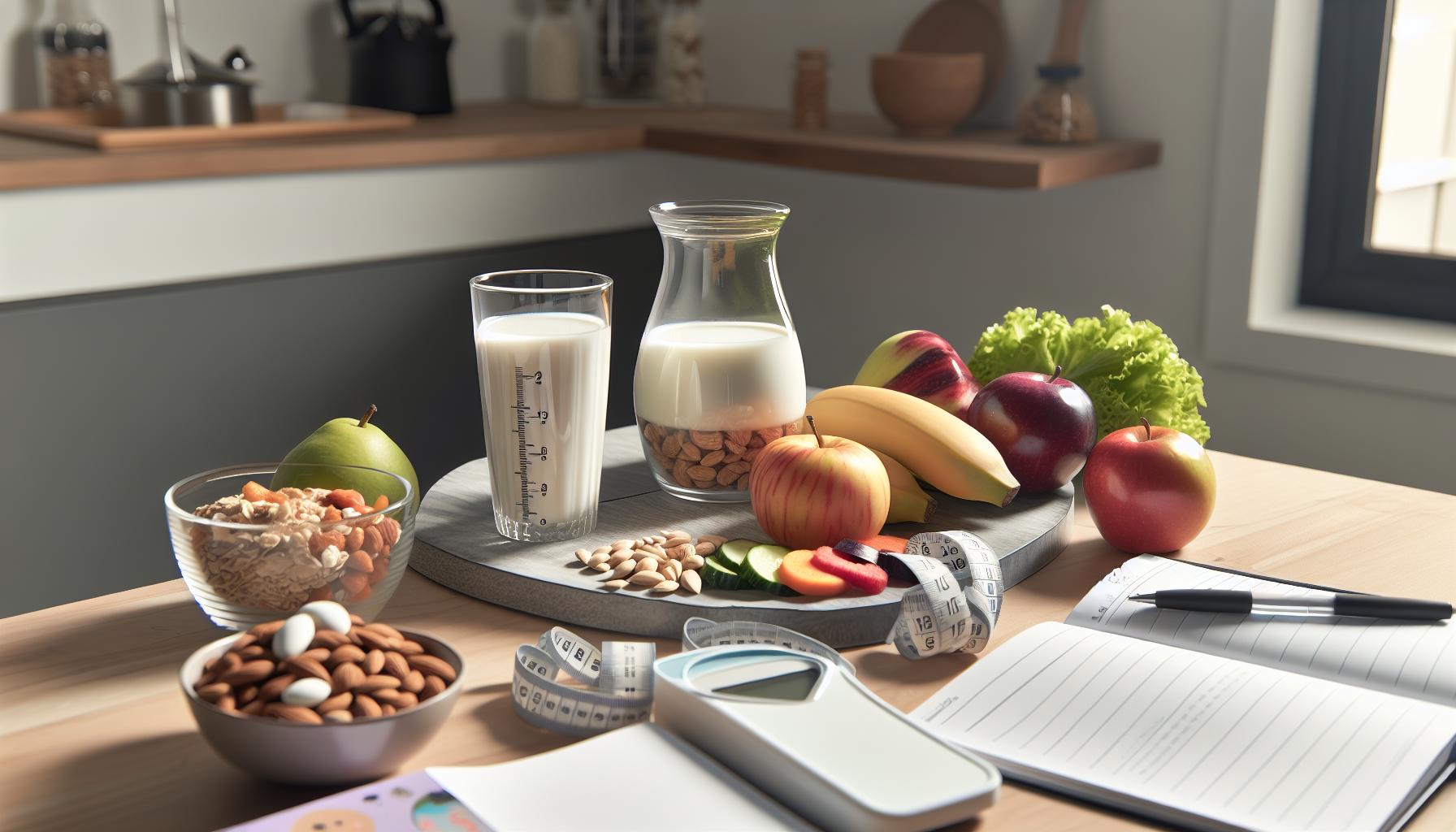
Gentle,Effective Exercises for Postpartum Moms
Finding gentle movement that honors your body’s amazing postpartum journey can be both healing and empowering. After pregnancy and birth, your muscles, ligaments, and joints are still in a delicate phase of recovery. Exercise shouldn’t feel like a race to “bounce back” but rather a nurturing invitation to reconnect with yourself, ease tension, and build strength thoughtfully—all while supporting your breastfeeding needs.
Starting with low-impact activities allows your body to gradually regain stamina without overtaxing energy reserves crucial for milk production. Walking is an incredible way to gently mobilize—strolling outdoors with your baby in a stroller or sling can uplift mood, stimulate circulation, and provide fresh air without pressure. Restorative yoga or basic stretching routines can nurture your pelvic floor, relieve back pain, and ease muscle tightness while cultivating mindfulness—a soothing antidote to postpartum overwhelm.
Easy Steps to Move Safely and Feel Good
- Listen to your body: Begin when you feel ready, frequently enough around 6 weeks postpartum, but this varies. If you had a cesarean or complications, check in with your healthcare provider first.
- Focus on core and pelvic floor gently: Exercises like pelvic tilts, deep belly breathing, and kegels help rebuild essential support without strain. Avoid crunches or intense abdominal work too soon.
- Incorporate short,frequent sessions: Even 10-15 minutes multiple times a day can feel manageable amid feeding and restful moments.
- Stay hydrated and nourish wisely: Movement increases fluid needs, so drink water before and after. Pair exercise days with meals rich in protein and whole foods energy.
- Celebrate progress, not perfection: any movement is a gift to your body—avoid pushing through pain or exhaustion.
Sample Beginner movement Routine
| Exercise | Description | Benefits |
|---|---|---|
| Pelvic Floor Contractions (Kegels) | Sit or lie down.Tighten pelvic muscles as if stopping urine flow.hold 5 seconds, release slowly.Repeat 10 times. | Strengthens pelvic support, improves bladder control |
| Pelvic tilts | Lie on back with knees bent, feet flat. Gently flatten lower back into floor by engaging abs. Hold for 5 seconds.Repeat 10 times. | Engages core gently, relieves lower back tension |
| Cat-Cow Stretch | On hands and knees, arch back up (cat), then dip belly down and lift head (cow). Repeat slowly 10 times. | Improves spinal mobility, eases tension |
| Walking | Start with 10 minutes on flat surfaces, gentle pace. Increase gradually. | Boosts cardiovascular health and mood |
Real moms frequently enough find creative ways to weave movement into their busy days—dancing with baby in arms, gentle stroller walks, or online postnatal yoga classes that respect their pace and space.Remember, hormonal fluctuations affect joints and ligaments—so what felt easy before birth might feel different now. Be kind, adjust as needed, and trust that your body knows its rhythm.
If you encounter discomfort like pelvic pain, leaking, or heaviness, pause and consult a pelvic floor specialist or postpartum physiotherapist. These professionals offer personalized guidance blending medical expertise with compassionate support to navigate your unique path. Ultimately, moving gently during postpartum is a celebration of your strength, a mindful tool for healing, and an act of love for both you and your baby.
Hydration and Its Role in Breastfeeding Weight Loss
Water is truly a postpartum hero—hydration supports nearly every part of your breastfeeding and weight loss journey, frequently enough in ways you might not expect. Breastfeeding is wonderfully demanding, and producing nourishing milk requires significant fluid.Drinking enough water helps maintain your milk supply while gently supporting your body’s natural ability to burn calories. When you’re well-hydrated, you’ll likely notice more energy, better digestion, clearer skin, and even reduced hunger pangs, all of which contribute to feeling your best during the complex postpartum transition.
Balancing thirst with wholesome hydration doesn’t mean chasing gallons or forcing yourself to drink before you’re thirsty—listen to your body’s cues, especially during nursing sessions. Many moms find that having a water bottle nearby reminds them to sip regularly without stress. Including fluids from herbal teas, broths, or naturally hydrating fruits and veggies is a nurturing way to support fluid balance while offering additional nutrients. Just be gentle with herbal choices, as some are not recommended while breastfeeding—always check with your midwife or lactation consultant before trying new supplements or teas.
smart Hydration Habits for Breastfeeding Moms Losing Weight
- Start the day with water: Before breakfast, drink a glass of filtered water to gently wake up your metabolism and hydrate after sleep.
- Sip during feeds: Keep a small, easy-to-grip cup or bottle close when nursing to encourage natural hydration without distraction.
- Choose hydrating, nutrient-rich snacks: Include options like cucumber slices, watermelon cubes, or a small bowl of homemade vegetable soup for both fluid and micronutrients.
- Practice mindful sipping: Rather than gulping large amounts infrequently,take small sips throughout the day to stay consistently hydrated.
- Limit dehydrating beverages: Reduce intake of caffeinated drinks or high-sugar sodas that can contribute to fluid loss or energy crashes.
Hydration-Boosting Tea Recipe: Calming Lactation Blend
| Ingredient | Quantity | Benefit |
|---|---|---|
| Fennel seeds | 1 tsp | Supports milk production, soothes digestion |
| Chamomile Flowers | 1 tsp | Calming, reduces stress and promotes sleep |
| Raspberry Leaf | 1 tsp | Tones uterus, balances hormones postpartum |
| Water | 1 cup (240 ml) | Hydration base |
Preparation Steps:
- Bring water to a gentle boil.
- Add fennel seeds, chamomile flowers, and raspberry leaf to a teapot or mug.
- Pour hot water over herbs and cover.
- Steep for 5-7 minutes.
- Strain and sip slowly, ideally between feeding sessions.
Remember, every body is beautifully unique; while hydration is crucial, the amount that feels “just right” will differ day by day. Trust your instincts, and honor the natural rhythm of feeding your baby and caring for yourself. Nourishing your thirst is a simple yet powerful act of kindness—for your physical health, your milk supply, and your postpartum well-being.
Managing Hunger and Cravings with Nourishing Snacks
Hunger during breastfeeding is not just a thought—it’s your body’s natural way of signaling the extra energy and nutrients needed to produce nourishing milk for your little one. Rather than battling cravings or reaching for just any snack, embracing nourishing foods can provide sustained energy, support milk supply, and gently assist in postpartum weight loss. Choosing quality snacks that balance proteins, healthy fats, and fiber helps keep blood sugar steady and moods uplifted during those demanding moments between feeds.
Think of snacks as mini-meals that honor your body’s needs without overwhelming your appetite or feeling like a diet restriction. Many moms find that having easy-to-grab options ready—whether homemade or thoughtfully selected store-bought—can be a game-changer, especially when juggling late-night feedings and fluctuating hormones.Including a variety of textures and flavors, from creamy nut butters to fresh crunchy veggies, satisfies both physical hunger and emotional comfort. This gentle, mindful approach encourages self-kindness rather than guilt or pressure, respecting your unique postpartum journey.
Nourishing Snack Ideas for Breastfeeding Moms
- Greek Yogurt with Berries and Chia Seeds: Packed with protein, calcium, antioxidants, and omega-3 fats for sustained energy and milk quality.
- Whole Grain Crackers with Avocado and Cherry Tomatoes: Provides fiber, healthy monounsaturated fats, and hydration-supporting vitamins.
- Nut Butter-Stuffed Dates or Apple Slices: Combines natural sweetness with protein and healthy fats to help manage cravings without blood sugar spikes.
- Mixed Nuts and Seeds Trail Mix: A portable, nutrient-dense option rich in essential minerals that support postpartum recovery.
- Hummus with Sliced Cucumbers or Carrot Sticks: Offers plant-based protein and fiber alongside hydrating vegetables to keep you satisfied.
DIY Lactation-Friendly Smoothie
| Ingredient | Quantity | Benefit |
|---|---|---|
| Spinach (fresh or frozen) | 1 cup | Iron and folate for energy and postpartum healing |
| Banana | 1 medium | Natural sweetness and potassium to balance electrolytes |
| oats | ¼ cup | Fiber for fullness and historically linked to supporting milk supply |
| Flaxseeds (ground) | 1 tbsp | omega-3 fats and phytoestrogens gentle on hormonal balance |
| Almond Milk or Cow’s Milk | 1 cup | Calcium and hydration support |
| Honey (optional) | 1 tsp | natural sweetener with antioxidants |
Preparation Steps:
- Combine all ingredients in a blender.
- Blend until smooth and creamy.
- Pour into a glass and enjoy immediately for best texture and nutrient retention.
Remember, your cravings might fluctuate with hormonal shifts, fatigue, and breastfeeding demands—and that’s perfectly normal. Listening to your body’s signals can help you choose snacks that nurture rather than just fill. If you notice persistent,intense cravings or difficulties managing hunger,don’t hesitate to reach out to a lactation consultant or postpartum nutrition expert who can tailor advice to your individual needs. Above all, approach this season with gentleness—your body is actively nurturing new life and healing in its own perfect time.
Herbs, supplements, and Teas: What’s Safe to Use
Many new moms find herbs, supplements, and teas an inviting way to support their postpartum journey, especially when balancing breastfeeding and gentle weight loss. Though,safety is the cornerstone here—your body is nurturing your baby through nourishing milk,so anything you consume can have subtle effects. Approaching these natural aids with thoughtful caution, respect for your unique body, and guidance from trusted healthcare providers helps ensure you support both your healing and milk supply without unintended disruptions.
Certain herbs have long been celebrated in cultures worldwide for their calming,nourishing,or lactation-supporting properties. Still, not all are safe during breastfeeding or conducive to postpartum weight goals. For example, fenugreek is a popular galactagogue (milk-boosting herb) that many moms find helpful to gently increase supply. Yet, it may cause digestive upset or allergic reactions in some, so starting with a small dose—such as a single 500mg capsule once daily—and watching your and your baby’s responses is wise.Equally important are herbs like ginger and lemon balm, which can gently ease digestion and stress without compromising breastmilk quality, supporting a calm postpartum state that indirectly benefits weight management.
Herbs and Supplements Often Considered Safe with Cautions
- Fenugreek: Used traditionally to support milk supply; consult your provider before use and avoid if baby shows sensitivity.
- Ginger: Can reduce nausea and inflammation, with mild metabolism support when consumed as tea or fresh root.
- lemon Balm: Known for calming effects helping with sleep and anxiety, useful when breastfeeding-related stress feels overwhelming.
- Milk Thistle: Supports liver health and may aid postpartum detox; generally considered safe but best with professional advice.
- Probiotics: Beneficial for digestive health and may support weight balance by nourishing your microbiome,safe and gentle.
Herbal teas: Comfort, Hydration, and a Touch of Healing
Drinking herbal teas is a beautiful ritual that can contribute hydration, calm, and subtle metabolic benefits. To make a soothing, lactation-friendly tea blend at home, try this simple recipe:
| Ingredient | Amount | Benefit |
|---|---|---|
| Fenugreek seeds | 1 tsp | Supports milk production |
| Ginger root (fresh or dried) | 1 tsp or 1-inch slice | Reduces inflammation and nausea |
| Lemon balm leaves | 1 tsp dried | Calm nervous system, aids sleep |
| Honey (optional) | 1 tsp | Natural sweetener with antioxidants |
Preparation:
- Bring 2 cups of filtered water to a near boil.
- Pour water over herbs in a heatproof teapot or jar.
- Cover and steep for 10 minutes.
- Strain and add honey if desired.
- Enjoy up to 2 cups daily, spaced between feedings.
Supplements and Safety Notes
Many postpartum moms consider supplements for energy or hormonal balance, but it’s vital to remember that the FDA does not tightly regulate supplements, meaning potency and purity can vary widely. Always choose high-quality, third-party tested brands. Avoid weight-loss supplements that promise rapid results, as they often contain ingredients (like caffeine or stimulants) not recommended during breastfeeding.
Essential oils can hold appeal for relaxation or appetite control but require extreme caution. They should never be ingested unless under professional supervision, and topical use needs dilution and patch testing to prevent irritation. Oils such as lavender or chamomile are generally safe for aromatherapy, promoting relaxation in a gentle, breastfeeding-safe way.
Every mother’s body and breastfeeding journey is unique. Herbs and supplements that soothe one person might upset another. Take small steps, observe how you and your baby respond, and communicate openly with your healthcare team—whether lactation consultants, midwives, or doctors—to tailor what works best for you. Embracing this season gently and respectfully supports your wellbeing and honors the sacred connection between you and your baby.
if you’d like, here’s a speedy guide to help you decide when and how to approach herbs and supplements postpartum:
| postpartum Phase | Recommended Use | Herbs/supplements to Consider | Safety Tips |
|---|---|---|---|
| Early postpartum (0-6 weeks) | Focus on healing and milk supply | Fenugreek (low dose), Milk thistle, Probiotics | Consult provider; monitor baby for sensitivity |
| Mid postpartum (6 weeks-3 months) | Energy support; mild metabolism aid | Ginger tea, Lemon balm, Probiotics | Start slowly; avoid stimulants |
| Late postpartum (3+ months) | Stress and mood support; weight management | Lemon balm, Chamomile aromatherapy, Balanced supplements | Check for interactions; prioritize balanced diet |

Mindful Self-Care: Supporting Your Emotional Health
Motherhood is a profound journey of transformation, filled with moments of immense joy alongside waves of fatigue, hormonal shifts, and unexpected emotions. It’s perfectly natural—and even necessary—to give yourself permission to prioritize emotional wellness as you navigate the balancing act of breastfeeding and postpartum weight loss. Supporting your mental and emotional health isn’t just a luxury; it’s a core part of nurturing both yourself and your baby. When your emotional needs are honored mindfully, your body’s healing and milk production often follow more smoothly, creating a foundation for sustainable, compassionate weight management.
A gentle way to nurture your emotional health is through daily, intentional pauses—moments where you check in with yourself without judgment. This can look like a quiet five-minute breathing break; a few deep, grounding inhales that invite calm; or a brief journaling session to express gratitude or acknowledge tough feelings. Many moms find comfort in rituals such as sipping calming herbal teas made with lemon balm or chamomile (see previous section for recipes), which soothe both mind and body. These simple acts build a ripple effect of emotional resilience, reducing stress hormones like cortisol that can interfere with weight loss and breastfeeding.
practical strategies for Emotional Wellbeing During postpartum
- create gentle daily routines: Even a short walk outdoors or light stretching can uplift mood and help you feel more grounded.
- Seek community and connection: sharing experiences with other moms—online or in person—helps normalize feelings and creates a safe space to be heard.
- Engage in mindful movement: Practices like yoga or slow dance foster body awareness and release tension without overexertion.
- Set realistic, self-compassionate goals: Remember, your body is still healing from pregnancy and birth. Weight loss is a gradual process—not a race.
- Use affirmations and positive self-talk: Replace “I should be further along” with “I am doing my best,and that is enough.”
Embracing help is also a key part of self-care.Whether it’s a partner, family member, friend, or professional support—having someone to share the emotional load can lighten overwhelm and foster healing. Such as, a doula or postpartum counselor can guide you through complex feelings and offer tailored coping tools that honor your unique mothering journey.
When to Reach Out for Extra Support
If feelings of sadness, anxiety, or exhaustion linger beyond a few weeks—or interfere with daily functioning—consider speaking with a healthcare provider. Postpartum mood disorders are common and treatable, and early intervention supports both your wellbeing and your baby’s thriving. Remember, seeking support is a sign of strength and self-respect, never weakness.
Your emotional health intertwines deeply with nutrition, physical activity, and rest. Treat this time as an opportunity to cultivate patience, kindness, and awareness toward all parts of yourself. By weaving mindful self-care into each day, you empower your body’s gentle return to balance while savoring the irreplaceable moments of early motherhood. You are more than your weight or your milk supply—you are a whole person worthy of grace, support, and celebration.
Understanding Hormones and Postpartum body Changes
The postpartum period is a unique chapter in a mother’s journey, where the interplay of shifting hormones quietly guides the body’s restoration and adaptation. These hormonal changes influence everything—from milk production and mood,to how your body stores and burns fat. Understanding this natural rhythm can help you embrace your body’s pace, rather than rush or resist it.
After birth, hormones like prolactin rise to support milk supply, signaling your body to prioritize nourishing your baby. meanwhile, levels of estrogen and progesterone, which were high during pregnancy, drop sharply; this shift triggers not only physical changes such as uterine contraction and breast fullness, but also emotional waves that can feel overwhelming at times. These fluctuations can affect metabolism and appetite,making gentle,mindful nutrition all the more critically important. It’s normal to feel hungrier, and honoring those hunger signals with nutrient-dense, satisfying foods supports both your milk supply and your gradual postpartum weight loss.
How Hormones Shape Postpartum Body Changes
- Cortisol: Known as the stress hormone, cortisol may be elevated in the early weeks postpartum, impacting energy levels and body fat storage. finding small moments for restful breathing or quiet time can help lower cortisol and ease its effect on weight management.
- Oxytocin: Frequently enough called the “love hormone,” oxytocin is released during breastfeeding and helps shrink the uterus back to its pre-pregnancy size while promoting calm and bonding. This hormone supports healing and can gently encourage your body’s return to balance.
- Thyroid hormones: Some moms notice sluggishness or mood symptoms from temporary postpartum thyroid changes. If you feel unusually tired or notice changes in weight unrelated to food or activity, discuss a thyroid screening with your healthcare provider.
Embracing Your Body’s Healing Timeline
Every mother’s hormonal dance postpartum is distinct. some see steady weight loss within a few months, while others experience plateaus or shifts along the way. This variability is deeply tied to your body’s hormonal surroundings and healing journey. Instead of chasing rapid results, celebrate small victories like increased energy, better sleep, or improved mood—all signs your body is finding its new rhythm.
Support your hormonal balance naturally with:
- Consistent hydration: Fluids help optimize lactation and flush out postpartum swelling.
- Nourishing meals rich in healthy fats, protein, and fiber: These provide sustained energy and support hormone synthesis.
- Gentle physical activity: Activities like walking or yoga encourage circulation and release feel-good endorphins.
- Herbal teas with care: Safe options like lemon balm or chamomile can soothe and support digestive comfort, but always check any supplement with your healthcare provider or lactation consultant.
Remember, your body has nurtured new life and now needs thoughtful rest and kindness to heal fully. Hormonal changes don’t create a “one-size-fits-all” scenario but invite you into an attentive, compassionate relationship with your postpartum self.
| Hormone | Role Postpartum | Impact on Weight & Mood |
|---|---|---|
| Prolactin | Stimulates milk production | may increase appetite, promotes nurturing focus |
| Estrogen & Progesterone | Decreases after birth, regulates reproductive system | Can cause mood swings, affects fat distribution |
| Cortisol | Manages stress response | High levels can slow metabolism, promote fat storage |
| oxytocin | Triggers uterine contraction, bonding | Supports healing, emotional connection |
By tuning into these signals and trusting your body’s wisdom, you create a nurturing foundation for your breastfeeding and weight loss journey.Each hormonal phase brings new opportunities for growth and balance—allow yourself time to sail with the tide, rather than against it.With patience, kindness, and gentle care, you honor the beautiful complexity of motherhood.
Meal Planning with Easy, Lactation-Friendly Recipes
Planning meals that nurture both your body and your growing milk supply can feel like a balancing act, but it’s truly an opportunity to honor yourself and your baby with comforting, wholesome food. Choosing recipes that are rich in protein, healthy fats, fiber, and gentle on digestion not only supports energy but enhances milk quality. By focusing on simple, nutrient-dense ingredients and approachable cooking methods, you can create meals that feel manageable even on your busiest days. Remember, nourishing yourself well is a key part of postpartum self-care—it’s not about strict calorie counts, but about steady, loving fuel for recovery and breastfeeding.
Essentials for Lactation-Supportive Meals
- Protein Power: Include options like lean chicken, turkey, eggs, beans, lentils, or tofu. Protein supports tissue healing and hormone balance, helping your body feel energized without unnecessary spikes and crashes.
- Healthy Fats: Avocados, nuts, seeds, and olive oil promote brain health for both mom and baby, and they add satisfying richness to meals that helps keep hunger at bay.
- Fiber-Rich Carbs: Whole grains, sweet potatoes, oats, and fresh vegetables aid digestion and provide slow-burning energy. Fiber also helps prevent postpartum constipation, a common discomfort.
- Hydrating Foods: Cucumber, watermelon, oranges, and soups help keep fluid levels optimal, supporting milk supply and reducing fatigue.
Simple, Nourishing Recipes to Try
| Recipe | Key Ingredients | Benefits |
|---|---|---|
| Oat & Flaxseed Lactation Smoothie | Rolled oats, ground flaxseed, banana, almond milk, nut butter, spinach | Supports milk production, fiber for digestion, iron-rich greens for energy |
| Salmon & Sweet Potato Bowl | Wild salmon, roasted sweet potatoes, kale, quinoa, olive oil | Omega-3 fatty acids for brain health, anti-inflammatory vitamins, protein |
| chickpea & Veggie Stew | Chickpeas, carrots, tomatoes, garlic, ginger, turmeric, brown rice | Plant protein and fiber, gentle spices support digestion and inflammation |
Helpful Tips for Planning and Prep
- Batch-cook staples like grains and legumes at the start of the week to reduce mealtime stress.
- Embrace one-pot dishes or sheet-pan meals to save time and clean-up energy.
- Keep lactation-friendly snacks on hand—like nut butter with apple slices or yogurt topped with chia seeds—to manage hunger between meals.
- Adapt recipes based on taste, culture, and dietary preferences—there’s no “right” way to nourish yourself and your baby.
- Consult with a lactation specialist or registered dietitian if you have concerns about milk supply or weight loss to tailor your meal plan safely.
A gentle reminder: while some herbs and foods are traditionally thought to support milk supply, always check their safety during breastfeeding. Such as,fenugreek is widely used but may not be suitable for everyone. Use herbal supplements thoughtfully, and preferably under guidance from a trusted healthcare provider.
Taking time to prepare and enjoy nurturing foods sends a powerful message of compassion to your postpartum self. It shifts the focus from “losing weight” toward vibrant health, honoring your body’s need for replenishment as it embarks on this beautiful, challenging journey of motherhood.
Tracking Progress Without stress or Guilt
Many new moms find that measuring their postpartum progress can feel overwhelming or discouraging, especially when societal pressures suggest rapid “bounce back” goals. It’s important to remember that your body is healing, adjusting hormonally, and prioritizing milk production. Tracking progress with kindness instead of criticism helps preserve your emotional well-being and keeps you connected to the bigger picture: nurturing your strength as a mother, not just shrinking a number on the scale.
A helpful approach is to focus on non-scale victories that celebrate how you *feel* and what your body *can do* rather than relying solely on pounds lost or inches measured. For example, notice when you have more energy during breastfeeding, better sleep cycles, or increased stamina for gentle exercise. These signs show positive change, even if weight loss is gradual. journaling your emotions and physical improvements creates a gentle progress map that honors all aspects of your postpartum journey.
Practical Ways to track Without Stress
- Create a simple checklist: Include daily achievements like drinking enough water, preparing nourishing meals, or doing a 10-minute walk. This shifts focus from numbers to meaningful habits.
- Use photos thoughtfully: Snap weekly or monthly photos in cozy clothing to visually acknowledge your changing silhouette over time. Avoid daily mirrors and harsh self-judgment.
- Celebrate small wins: Maybe you’ve gone a week without skipping meals or managed a bedtime meditation. every small step is a triumph worthy of praise.
- Choose kind words: Replace any negative self-talk (“I’m not losing enough weight”) with affirmations like “I’m nourishing my body and baby well” or “Healing takes time and I am patient.”
- Track energy and mood: Note how exercise and food impact your overall vitality, which is a sign of lasting health beyond numbers.
Remember, no two postpartum journeys are the same. Your body’s timeline is uniquely yours, shaped by birth experience, hormone fluctuations, sleep quality, and breastfeeding demands. Some moms find it helpful to check in with a supportive friend, doula, or healthcare provider to get encouragement and perspective. By embracing a compassionate, flexible mindset around progress, you empower yourself to feel confident, grounded, and patient through this precious time. Your worth is found in your loving care — not just in your waistline.
Real Mom Stories: Finding what Works for You
it’s truly inspiring how each mom’s postpartum journey unfolds in a uniquely personal way. Some find that slowly integrating gentle walks while breastfeeding helps them feel more energized without overwhelming their bodies. Others discover that nourishing themselves with small, frequent snacks rich in protein and healthy fats provides the steady fuel their milk supply and metabolism both need.The key is listening deeply to your body’s signals and honoring what feels right for you—not rushing to fit into a societal timeline.
One mom shared her experience of blending traditional herbal teas like fenugreek and fennel—sipped in moderation—with nutritious smoothies packed with spinach, banana, and almond butter. She emphasized the importance of checking with a healthcare provider to ensure safety, especially before adding any supplement. Another found comfort in practicing mindful breathing exercises whenever hunger or cravings struck, allowing herself the grace to eat intuitively rather than strictly dieting, which helped her maintain emotional balance during the unpredictable waves of postpartum hormones.
Personalizing Your Path
- Trust your body’s rhythms: Notice patterns in milk production, energy, and mood around meals and activity, adjusting as needed.
- Build a supportive circle: Reach out to fellow moms, doulas, or lactation consultants who can offer encouragement and share what worked for them.
- Mix evidence with tradition: Combine doctor-approved guidance with cultural remedies or family practices that feel nurturing and safe.
- Celebrate every small success: Whether it’s a 5-minute stretch, a homemade lactation cookie, or waking up rested, honor these wins as progress.
Remember, what sparks weight loss and wellbeing for one mother may differ vastly for another. Embracing patience,kindness,and versatility cultivates the fertile ground for both physical healing and joyful motherhood to grow. Your nurturing instincts, combined with gentle self-care, will naturally guide you toward a balanced rhythm that supports both your health and your baby’s.
Frequently asked Questions
Q: How can I prevent nutrient deficiencies while losing weight and breastfeeding?
A: To prevent nutrient deficiencies, focus on a well-balanced diet rich in whole foods like leafy greens, lean proteins, and healthy fats. include prenatal vitamins if recommended by your healthcare provider. This ensures adequate nutrition for both you and your baby while supporting safe weight loss. See the Balancing Nutrition section for meal ideas.
Q: What is the safest way to combine intermittent fasting with breastfeeding?
A: Intermittent fasting is generally not recommended during active breastfeeding due to risk of reduced milk supply and energy.Instead, opt for smaller, frequent meals that nourish your body. If considering fasting,consult your doctor to tailor a safe plan that supports lactation and gradual weight loss.
Q: Can stress affect weight loss during breastfeeding, and how can I manage it?
A: Yes, stress can slow weight loss by disrupting hormones and milk production.Practice mindful self-care such as gentle yoga, meditation, and deep breathing exercises to reduce stress. Prioritize restful sleep and seek support to nurture emotional health alongside physical goals.
Q: Which types of postpartum exercises are safest for moms with diastasis recti while breastfeeding?
A: Low-impact core-strengthening exercises like pelvic tilts, deep belly breathing, and modified planks are safest for diastasis recti. Avoid intense abdominal crunches. Always consult a postpartum physical therapist before starting. These moves gently rebuild strength while respecting your body’s healing.
Q: How does breastfeeding frequency influence weight loss efforts?
A: Breastfeeding more frequently increases calorie burn and supports weight loss by stimulating milk production and fat metabolism.Aim to nurse on demand while maintaining balanced nutrition and hydration for optimal results, as emphasized in Hydration and Its Role in Breastfeeding Weight Loss.
Q: What are safe strategies to handle intense hunger without compromising milk supply?
A: Manage intense hunger by choosing nutrient-dense,lactation-friendly snacks such as nuts,yogurt,and fresh fruit. Avoid drastic calorie cuts which can reduce milk supply. Frequent small meals keep energy stable and support steady weight loss, complementing tips in Managing Hunger and Cravings with Nourishing Snacks.
Q: Are there specific teas that can definitely help with weight loss and are safe during breastfeeding?
A: Yes, teas like rooibos, ginger, and chamomile are generally safe and may support digestion and relaxation. avoid teas with caffeine or strong herbs like fenugreek without medical advice. Use herbal drinks as gentle aids, not weight loss magic, as explained in Herbs, Supplements, and teas: What’s Safe to Use.
Q: How can I track weight loss progress during breastfeeding without feeling stressed or guilty?
A: Focus on non-scale victories like improved energy, mood, or clothes fitting better. Use gentle progress tracking like photos or journaling rather than daily weighing. Prioritize your body’s healing and milk supply over rapid weight loss, reflected in tracking Progress Without Stress or Guilt.
Feel free to explore each section in detail for warm, practical guidance that honors your unique postpartum journey. Remember, your body’s healing and your baby’s well-being come first—celebrate each small step forward!
Insights and conclusions
Finding a gentle, safe way to support your postpartum journey while breastfeeding is a gift to both you and your little one. Remember,gradual weight loss that honors your body’s unique rhythms and the nurturing demands of lactation helps maintain energy and milk supply without added stress. For personalized meal ideas and soothing postpartum teas, explore our Breastfeeding Nutrition Guides and herbal Remedies for New Moms to complement these expert tips.
If you’re wondering about how to balance self-care with baby’s needs or want to track your progress confidently, consider signing up for our weekly newsletter filled with practical recipes, step-by-step wellness plans, and heartfelt community stories.Your body’s healing takes time—embrace this with kindness, and know you’re not alone. Join the conversation below or share your own story to support other mothers navigating this complex, beautiful phase.
start your nurturing journey today with safe, evidence-backed strategies for postpartum weight loss and breastfeeding. Delve deeper into related topics like gentle postpartum exercise and mindful self-care routines to keep your confidence blooming—because every mom deserves care that feels as comforting as a warm hug.
Get our latest guides, news, and insights highlighted in your Google Search & AI Overviews.


 JUST 15 MINUTES A DAY