
Breastfeeding Safe Protein Powder: Build Strength Safely
Did you know that nourishing your body with the right protein during breastfeeding supports both your strength and your little one’s health? Breastfeeding safe protein powders can be a gentle, effective way to boost your energy and aid postpartum recovery without risking your baby’s wellbeing. As a new mom, you deserve options that honor your body’s healing and respect the delicate balance of lactation, helping you feel empowered and cared for during this intimate, demanding phase. In this guide, we’ll explore how to choose and use protein powders formulated specifically for breastfeeding moms—offering practical tips, ingredient insights, and safety advice to support your unique journey. Whether you’re seeking extra nourishment, managing fatigue, or simply curious about safe supplements, this gentle approach blends science with real motherhood wisdom to help you build strength confidently, in a way that feels right for you and your baby. Let’s nurture your wellness together, honoring every step of your postpartum healing.
Contents
- Understanding Safe Protein Powder Ingredients for Breastfeeding Moms
- when and How to Introduce Protein Powder Postpartum
- Top Benefits of Protein Powder During Breastfeeding
- Choosing Organic and Non-Toxic Protein Powders
- Balancing Protein Intake with Breastfeeding nutrition
- DIY Lactation-Friendly Protein Smoothie Recipes
- Avoiding Common Additives and Allergens in Protein powders
- Addressing Milk Supply concerns and Protein Supplementation
- Real Mom Stories: Protein Powder Experiences While Nursing
- Consulting Healthcare Providers Before Starting Protein Powders
- Incorporating Protein Powder Into your Postpartum Self-care Routine
- Faq
- Q: can breastfeeding moms safely use plant-based protein powders to build strength?
- Q: How can protein powder support postpartum muscle recovery while breastfeeding?
- Q: What is the best time of day for breastfeeding moms to take protein powder safely?
- Q: Are there any protein powder ingredients that breastfeeding moms should avoid to protect their baby’s health?
- Q: How can adding protein powder affect milk supply and infant digestion during breastfeeding?
- Q: What are easy, safe protein powder smoothie recipes for breastfeeding moms aiming to build strength?
- Q: Why should breastfeeding moms consult healthcare providers before starting protein supplements?
- Q: Can protein powders help manage postpartum fatigue for breastfeeding mothers?
- In Retrospect
Understanding Safe Protein Powder Ingredients for Breastfeeding Moms
Protein powders can be a marvelous way to support your postpartum strength and nourishment, but when breastfeeding, the ingredients truly matter. Choosing a protein powder that is gentle, clean, and free from harmful additives is key—not just for you but also for your baby’s well-being, since many components can pass through breast milk.Safe protein powders often focus on moderate, allergen-conscious ingredients like pea protein, brown rice protein, or collagen peptides. These sources offer complete or complementary amino acid profiles without common dairy allergens like casein or whey, which can sometimes cause fussiness or intolerance in sensitive babies. Many moms find that plant-based proteins, especially those without added artificial sweeteners, colors, or preservatives, tend to be better tolerated during breastfeeding.
What to Look for in Safe Protein Powder Ingredients
- Minimal and recognizable ingredients: Simple blends without a long list of synthetic chemicals or fillers make it easier to monitor how your body and milk respond.
- Organic and non-GMO components: Reducing exposure to pesticides and genetically modified ingredients nurtures both your body and baby’s developing systems.
- No harmful additives or stimulants: Avoid protein powders with caffeine, artificial sweeteners (like sucralose or aspartame), or controversial preservatives.
- Natural sweeteners and flavors: Look for products lightly flavored with natural vanilla, cocoa, or lightly sweetened with options like stevia or monk fruit.
- Allergen-friendly formulas: Consider allergen-free or hypoallergenic powders if you or your baby have known sensitivities.
In my experience working with breastfeeding mothers, a nurturing routine often involves reading labels carefully and gradually introducing small amounts of protein powder alongside familiar foods. For example, a mom I worked with found a simple pea and pumpkin seed protein blend that agreed with her and her baby’s digestive system—she noticed a boost in her energy during afternoon slumps without any change in her baby’s temperament. trust your body’s signals and seek products that provide transparent sourcing and ingredient integrity.
Ultimately, your postpartum body is healing and adapting in magnificent ways, and supporting it with safe, gentle protein powders can enhance this amazing journey. Remember, every breastfeeding experience is unique—what feels right for one mother-baby duo might differ for another. Your intuition, paired with informed choices, will always be your best guide.
when and How to Introduce Protein Powder Postpartum
Many new mothers wonder when the right moment is to add protein powder to thier diet after giving birth. The truth is,there’s no one-size-fits-all timeline,but thoughtful introduction guided by your body’s cues and breastfeeding progress can make all the difference. Your body is working hard to heal and nourish your baby, so gently easing protein powders into your routine can support energy, recovery, and milk quality without overwhelming your system.
Start by waiting until your milk supply is well established—usually around 4 to 6 weeks postpartum—to avoid disrupting your body’s natural balance during those first delicate weeks. When you do begin, begin small: mix a half serving of a clean, allergen-friendly protein powder with familiar foods or beverages, such as oatmeal or a smooth, mild-flavored smoothie. This slow introduction helps you notice how your body and your baby respond, especially since some ingredients can subtly influence digestion or temperament through breast milk.
Tips for Introducing Protein Powder Safely Postpartum
- Choose gentle, simple blends: Start with plant-based proteins like pea or brown rice, avoiding dairy-based powders that can sometimes cause fussiness or intolerance in infants.
- Observe your baby’s reactions: Watch for any changes in feeding, sleep, or behavior over several days after starting protein powder.
- Stay hydrated: Protein can increase your fluid needs, so drink plenty of water to support milk production and overall wellness.
- Pair protein with balanced meals: Combine protein powder with healthy fats, fiber, and natural carbohydrates to maintain steady energy and nutrient absorption.
- Listen to your body: Fatigue, digestion, or mood shifts can signal your body’s response—adjust serving size or timing accordingly.
One mother I worked with introduced a collagen-peptide powder mixed into her morning herbal tea around six weeks postpartum. She appreciated how it supported her healing joints and skin without any fussiness from her baby. She gradually increased to a full serving over a fortnight, ensuring comfort for both herself and her nursing little one. By integrating protein powder thoughtfully like this, you honor your body’s wisdom while nurturing your postpartum wellness.
Top Benefits of Protein Powder During Breastfeeding
New mothers often find themselves balancing incredible physical demands with the emotional tides of nurturing a newborn. Protein powder, when chosen wisely, can be a nurturing ally during breastfeeding by supporting the body’s healing and energy needs without adding overwhelm. Quality protein contributes crucial amino acids that not only help repair tissues—like the uterus and perineum healing from birth—but also sustain steady energy levels that can otherwise wane during demanding nursing sessions.
Protein supports the production of breast milk by providing building blocks essential for milk synthesis, especially if dietary intake dips during those busy postpartum moments. Many moms report feeling more resilient and less fatigued when supplementing with gentle, clean protein powders, allowing them to better meet their baby’s needs and their own without pressure or guilt. Real-life experience shows that plant-based proteins such as pea and brown rice blends are often well tolerated and may even soothe digestion, benefiting both mother and baby by limiting potential fussiness linked to dairy or allergens.
How Protein Powder Supports You after Birth
- Boosts tissue repair and muscle recovery: Helps mend stitches or tears from birth, easing postpartum aches.
- Sustains energy: Prevents afternoon crashes that can interfere with caregiving and breastfeeding.
- Supports healthy milk supply: Provides essential amino acids needed to produce nourishing breast milk.
- Promotes skin and hair health: Collagen-based powders can assist softness and elasticity, restoring postpartum glow.
- Balances blood sugar: When paired with fiber and healthy fats, protein powder can regulate appetite and mood swings common in the postpartum period.
One gentle approach is to start with half servings in familiar recipes, such as blending protein powder into oatmeal or mixing with a simple dairy-free smoothie. This can feel like self-care that fits into your existing rhythm rather of disrupting it. Remember, every mother and baby are unique—what brings calm and nourishment to one dyad might need tweaking for another. Observing your body’s cues and your baby’s reactions offers priceless wisdom, allowing you to adjust your intake while honoring your individual breastfeeding journey.
Choosing Organic and Non-Toxic Protein Powders
The journey of healing and nourishing your body after birth deserves ingredients as gentle and pure as your love for your baby.Choosing protein powders that are organic and non-toxic ensures that you’re fueling yourself with nutrition free from synthetic chemicals, pesticides, or harmful additives that could disrupt your postpartum well-being or your baby’s delicate system. Organic protein powders are made from ingredients grown without synthetic fertilizers or pesticides, aligning with a ideology of respect for nature’s balance and your body’s natural healing process [[1](https://www.merriam-webster.com/dictionary/organic)]. This purity matters especially during breastfeeding, as anything you consume can subtly influence your milk composition and, by extension, your baby’s comfort and health.
Most trusted options lean towards plant-based proteins—such as pea, brown rice, or hemp—that tend to be gentle on digestion and less likely to cause milk-related fussiness or allergic reactions. Look for powders labeled “USDA Organic” or verified by reputable organic certifying bodies. These certifications confirm that the product meets strict standards about ingredient sourcing and processing, eliminating synthetic growth stimulants, antibiotics, and pesticides [[3](https://www.healthline.com/nutrition/what-is-organic-food)].additionally, powders free from sugars, artificial sweeteners, or synthetic flavors reduce the risk of unwanted additives that may affect both mom and baby. when choosing, opt for minimal ingredient lists—sometimes simplicity really is best.
What to Watch For
- Protein Source: Plant-based options like organic pea or brown rice protein are hypoallergenic and support gentle digestion.
- Processing: Cold-processed or minimally processed powders retain more natural nutrients and avoid chemical residues.
- Added Ingredients: Avoid artificial sweeteners (like sucralose or aspartame),fillers,preservatives,and dyes that may stress your liver and hormones postpartum.
- Certification Seals: Choose products with third-party verification (organic, gluten-free, non-GMO) for added peace of mind.
Real moms often share how switching to organic protein powders reduced postpartum bloating and helped their babies stay calm after feeding, supporting a smoother breastfeeding journey. If you’re inspired to try a new powder, start with small doses mixed in warm herbal teas or smoothies that also include lactation-supportive ingredients like oat milk, flaxseed, or fennel. Trust your body’s wisdom and your baby’s cues—sometimes a little trial and observation go a long way in finding your perfect,nurturing match.
By selecting protein powders that honor both your body and the planet, you’re cultivating a postpartum journey rooted in care, safety, and sustainability. This mindful choice reflects a broader self-care ethos,balancing modern nutrition science with the gentle traditions many mothers hold dear to heart.
Balancing Protein Intake with Breastfeeding nutrition
Protein needs gently rise during breastfeeding,supporting your body’s ongoing recovery and your baby’s growth. Nourishing yourself with balanced protein intake helps maintain energy, repair tissues, and promote healthy milk production without overwhelming your digestion. It’s not about consuming excess but about meeting your unique postpartum needs with mindful portioning throughout the day, combined with a variety of whole foods alongside carefully chosen protein powders.
Integrating protein powders should complement—not replace—nutrient-rich meals featuring colorful fruits, vegetables, whole grains, and healthy fats. Many moms find spreading protein intake across small meals and snacks keeps blood sugar stable and energy steady, while softening typical postpartum belly discomfort. As a notable example, a mid-morning smoothie with organic pea protein, oat milk, fresh berries, and a touch of flaxseed oil nurtures both mom and baby while soothing digestion. Listening attentively to your hunger cues helps you modulate intake naturally, recognizing that some days require more nourishment and others less, honoring your body’s ebb and flow in lactation and healing.
Practical Tips for Harmonizing Protein and Breastfeeding Nutrition
- Start Slow: Gradually introduce protein powders, beginning with half servings to gauge tolerance and observe baby’s reaction.
- Pair Wisely: Combine protein powder with lactation-supportive foods—like oatmeal,fennel,or brewer’s yeast—to aid milk supply and digestion.
- Hydrate Well: Protein metabolism increases fluid needs, so drink nourishing herbal teas or water to support your kidneys and milk production.
- Watch for Sensitivities: Some babies might respond to specific protein sources; keep a feeding journal to track any fussiness or digestive changes.
- Balance Macronutrients: Include healthy fats and complex carbohydrates alongside protein to provide sustained energy for mom and baby.
Every mother’s postpartum journey is beautifully individual—while protein powders can support strength and vitality, your body and baby’s needs are your best guides. Remember,nourishment during this precious season nurtures two lives,and honoring that balance cultivates kindness,resilience,and lasting wellness.
DIY Lactation-Friendly Protein Smoothie Recipes
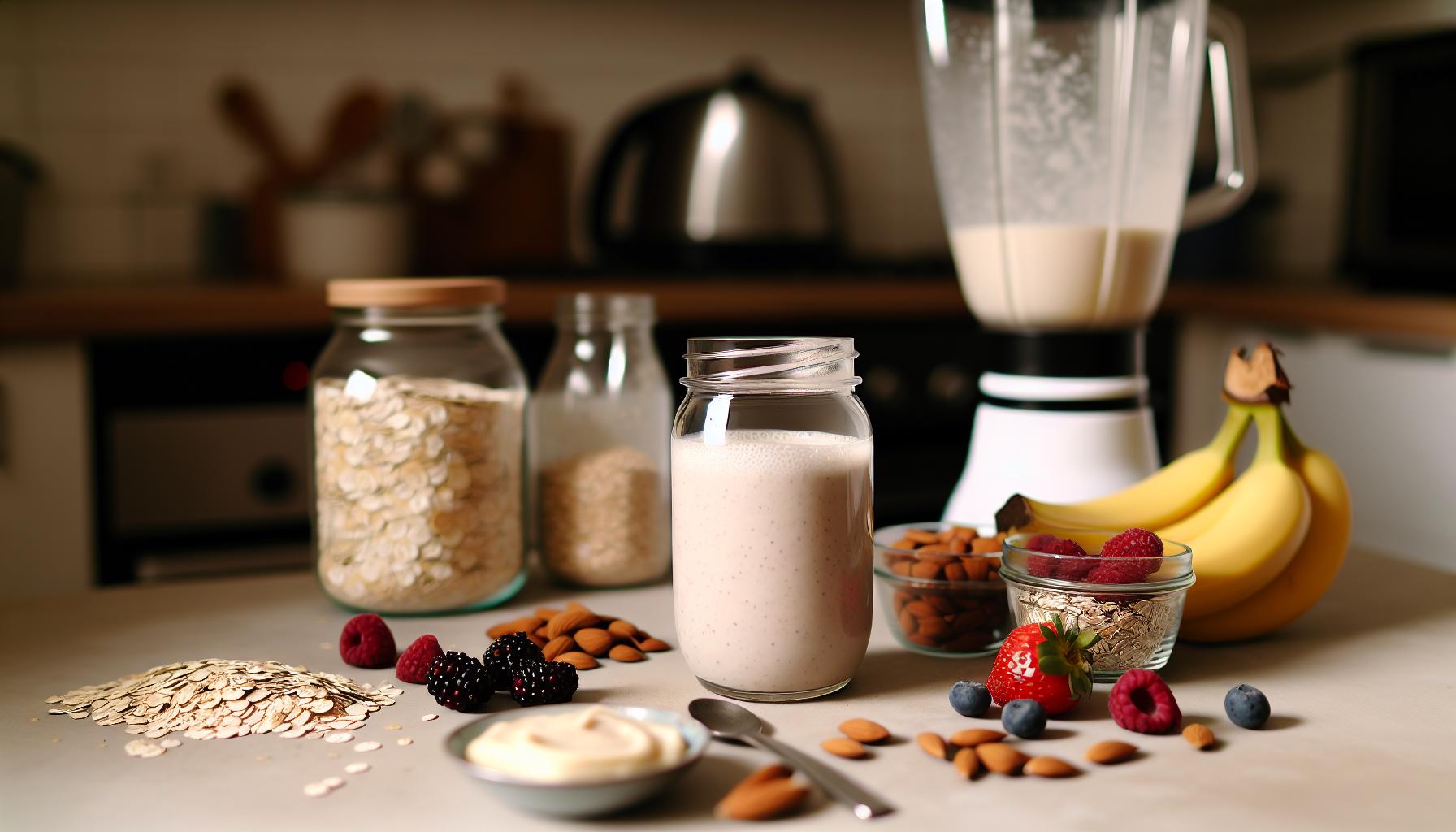
Protein smoothies can be a gentle,nourishing way to support your body’s needs during the breastfeeding journey. They blend nutrient-rich ingredients that gently boost your protein intake while offering lactation-friendly benefits. When crafted thoughtfully, these smoothies can help keep you energized and your milk supply nurtured, honoring the complex balance your body navigates postpartum. Starting with mild, natural ingredients and listening to your body’s signals allows you to create a comforting ritual that both supports your recovery and celebrates the joy of nourishing your little one.
Simple,Safe,and Soothing Smoothie Recipes
Here are three thoughtfully designed smoothies incorporating protein powders known for their gentle digestion and minimal allergenic potential,alongside traditional galactagogues—foods that may support milk production. Each recipe makes one serving and can be enjoyed as a mid-morning snack or gentle pick-me-up.
- Berry Oat Pea Protein Smoothie
- 1 scoop organic pea protein powder
- ½ cup cooked oats (cooled)
- 1 cup unsweetened oat milk
- ½ cup fresh or frozen mixed berries (blueberries, strawberries)
- 1 tsp ground flaxseed (rich in omega-3s)
- Optional: ½ tsp brewer’s yeast (supports lactation; start small)
Preparation: Blend all ingredients until smooth. begin with half a scoop of protein powder if new to supplementation to gauge tolerance.
- Banana Fennel Almond Smoothie
- 1 scoop organic rice or hemp protein powder
- 1 small ripe banana
- 1 cup unsweetened almond milk
- ¼ tsp ground fennel seeds (traditional milk booster)
- 1 tbsp almond butter or crushed almonds
Preparation: Blend all ingredients on medium speed until creamy. Sip slowly to appreciate the calming fennel aroma, which may also soothe digestion for mom and baby.
- Green Smoothie with Lactation Herbs
- 1 scoop organic pea or pumpkin seed protein powder
- 1 cup baby spinach
- 1 cup coconut water or pure filtered water
- ½ small avocado (for healthy fats)
- 1 tsp dried nettle leaf tea (steeped, cooled)
- ½ cup pineapple chunks
Preparation: Steep nettle leaf in hot water for 5-7 minutes, cool fully before blending. Combine all ingredients and blend until smooth. Nettle is traditionally used to support milk supply but should be introduced carefully and avoided if you have certain allergies.
Tips for Personalizing Your Smoothie ritual
- Start with half servings of protein powder when trying new recipes to monitor how both you and your baby respond.
- Choose gentle protein sources like pea, hemp, or rice proteins, which are less likely to cause sensitivities compared to dairy-based powders like whey or casein.
- Hydration matters: Include liquids such as oat or almond milk as they also add subtle nutrients and help with digestion, important during lactation.
- Adjust sweetness carefully: Rely on natural sweetness from fruits instead of added sugars or artificial sweeteners, which can affect both your energy and milk composition.
- Keep a feeding journal: Track what you drink and any noticeable effects on your baby’s mood or digestion to tailor recipes to your family’s unique needs.
Blending these smoothies can be a moment of quiet self-care, connecting you with your body’s needs and the centuries-old wisdom of nourishing postpartum nutrition. each sip is a step toward honoring your strength, embracing the fullness of motherhood’s joys and challenges, and celebrating the miraculous bond you share with your baby.
Avoiding Common Additives and Allergens in Protein powders
Choosing a protein powder for breastfeeding can feel like navigating a maze—hidden additives and allergens lurk in many products. These ingredients may seem harmless but can pose unexpected sensitivities for you or your baby, especially during postpartum when your body and your little one’s digestive system are more delicate.Prioritizing clean,simple protein powders helps you build strength safely,nurturing both your recovery and your milk supply without introducing irritating substances.
Many commercial protein powders include fillers, artificial sweeteners, preservatives, and flavor enhancers that may disrupt your digestive comfort or even affect your baby through breastmilk. Ingredients like sucralose, carrageenan, and maltodextrin often fly under the radar but can cause bloating, gas, or allergic reactions. Dairy-based powders such as whey or casein may also trigger sensitivities or exacerbate infant colic, especially if there’s a family history of dairy intolerance. Instead, consider plant-based proteins like pea, hemp, or rice, which tend to be gentler—and always check labels carefully for hidden additives.
What to Watch For and how to Choose Wisely
- Artificial Sweeteners & Flavors: Avoid ingredients like sucralose, aspartame, or chemical flavorings. These can alter your gut microbiome and may pass subtle compounds to your baby.
- Thickeners and Preservatives: Carrageenan, xanthan gum, and sodium benzoate may cause digestive upset or allergic reactions. Simple powders with minimal added agents let your body focus on healing.
- Common Allergens: Watch for soy, gluten, dairy, and nuts in protein blends. Even trace amounts might affect sensitive babies, so if you or your baby show fussiness, consider an elimination approach.
- Heavy Metals and Fillers: Some protein powders can have high levels of arsenic, lead, or mercury, especially rice or hemp products sourced without strict quality controls. Opt for third-party tested and certified organic powders.
Real-World Tips From Moms and Midwives
Taking a slow, mindful approach to introducing protein powders can make all the difference. One mama shared how switching from a flavored whey to an unflavored pea protein clarified both her digestion and her baby’s unusual gas episodes. another found that preparing smoothies with just a half scoop and a simple base—like oat milk and banana—allowed her digestive system to adjust gently, easing back into protein supplementation without stress. Simultaneously occurring, tuning in to your body’s signals and keeping a feeding journal can definitely help you notice patterns or sensitivities early, supporting safer choices tailored to your unique postpartum rhythm.
Remember,your body is still healing after birth. It deserves wholesome nourishment free of unnecessary additives or allergens that might create more challenges than support. choosing protein powders with transparent ingredient lists, minimal processing, and organic certification can gently fortify your strength while honoring the tender complexity of breastfeeding motherhood. if in doubt, leaning on healthcare providers and lactation consultants to review your options ensures you feel confident and cared for on this deeply personal path.
Addressing Milk Supply concerns and Protein Supplementation
Breastfeeding frequently enough brings a whirlwind of joy and challenges, especially when concerns about milk supply arise. It’s reassuring to know that well-chosen protein supplementation can support your body’s healing and energy needs without compromising milk production. Protein plays a foundational role in repairing tissues after birth and sustaining your metabolic demands while nursing. However, balance and ingredient quality matter deeply becuase what nourishes you best will also influence your baby’s comfort and health.
Many breastfeeding moms worry that adding protein powder might affect their milk supply, but gentle, clean protein sources—notably plant-based powders—can actually support lactation by providing steady nourishment for your muscles and organs involved in milk synthesis. The key is to avoid powders laden with artificial additives or allergens, which might trigger digestive disturbances or sensitivities in you or your baby, potentially discouraging feeding and impacting supply indirectly. Opting for simple, organic protein powders with minimal ingredients allows your body to focus on it’s natural rhythms and milk production.
Supporting Milk Supply with Protein: Practical Tips
- Start Small and Observe: Introduce protein powder gradually, perhaps beginning with half a scoop in a smoothie or oatmeal. Monitor your baby’s behavior and diaper output to ensure they’re feeding well and not experiencing fussiness or gas.
- Timely Nutrition is Essential: Consume protein-rich foods or powders spaced evenly throughout the day to maintain your energy and amino acid availability, both vital for steady milk production.
- Hydration and Rest: Protein works best when paired with adequate fluids and rest, so hydrate well and nurture your postpartum recovery with gentle self-care practices.
Common Myths and Realities Around Protein and Milk supply
Several moms wonder if protein supplementation might reduce their milk supply by “flooding” their system or causing hormonal shifts. In truth, protein does not suppress lactation hormones but rather supports your body’s ability to produce quality milk by healing the perineum, replenishing lost nutrients, and maintaining muscle mass, especially when breastfeeding around the clock. However, if protein powders contain substances like caffeine, heavy metals, or artificial sweeteners, these may stress your body or baby, potentially leading to feeding difficulties or reduced supply.One experienced midwife shared how she helped a new mother struggling with low supply by switching her from a whey-based, heavily flavored protein powder to a plain, organic pea protein. Within days,the mother reported feeling less bloated and noticed her baby was more settled at the breast. This gentle change, combined with support around hydration and frequent nursing sessions, helped restore confidence in feeding.
Remember,each body responds differently. tracking your intake alongside milk output and baby’s cues can empower you to fine-tune your approach safely and lovingly.
Herbal Allies and Cautions
Some lactation herbs like fenugreek and blessed thistle are popular galactagogues but can have side effects or interact with protein powders. When choosing supplementation strategies, consult your healthcare provider or lactation consultant to ensure safety and compatibility with your chosen protein source.
Simple Lactation-Boosting Protein Smoothie
- ½ scoop organic pea protein powder
- 1 cup oat milk (hydrating and gentle)
- 1 banana (potassium-rich, supports energy)
- 1 tsp flaxseeds (omegas for milk fat quality)
- Optional: 1 tbsp cooked oatmeal (complex carbs for sustained energy)
Blend till smooth. Enjoy once or twice daily, observing how you and baby respond.
Feeling supported and nurtured as you complement your breastfeeding nutrition is essential. protein powders can be a safe and effective part of your postpartum wellness when chosen with care,respect for your body’s delicate healing process,and guided by your unique breastfeeding journey.
Real Mom Stories: Protein Powder Experiences While Nursing
One common thread among moms who have integrated protein powders into their breastfeeding routine is the sense of gaining extra strength and calm during those often overwhelming early weeks.For many,starting with a mild,plant-based powder—like organic pea or hemp protein—offered a gentle boost without upsetting their baby’s digestion or their own comfort. Take sarah’s story: after a sleepless newborn phase, she began adding half a scoop of pea protein to her morning smoothie. Within days, she noticed a steadier energy level and fewer worries about low milk supply, as her baby seemed more content and fed.This simple change, accompanied by plenty of hydration and rest, became a quiet form of self-care that supported her body’s ongoing healing.Moms often share that vigilance and gentle experimentation are key. Emma, a midwife and mama of two, recalls advising a new mom who switched from a heavily sweetened whey powder to a clean, unscented rice protein. The mom reported less bloating and improved mood, which in turn made breastfeeding more enjoyable and less stressful—factors well known to influence lactation hormone balance. What mattered most was the gradual introduction and close attention to the baby’s cues. If fussiness or gassiness appeared, they paused or swapped protein types until they found a comfortable fit.This careful tuning underscores that what works beautifully for one mother may feel off for another, so patience and kindness to oneself are essential.
Tips from Real Moms for a Smooth Protein Powder Journey
- Start Small: Begin with half a scoop to see how your body and baby respond before increasing the amount.
- Choose Clean Products: Opt for organic, plant-based proteins with minimal ingredients and no artificial additives.
- Stay Hydrated: Pair protein intake with water or herbal teas to support digestion and milk production.
- Track Baby’s Reaction: Watch for signs like steady weight gain, regular wet diapers, and calm behavior to confirm tolerance.
- Keep a journal: Logging your protein intake and any changes in baby’s behavior can help identify patterns and ease decision-making.
- Consult Your Care Team: Don’t hesitate to reach out to lactation consultants or healthcare providers to tailor your supplement use safely.
These personal experiences, woven with professional guidance, can form a loving support network that honors how intricate and individual the breastfeeding journey is.By sharing stories of trial,error,and eventual harmony with protein supplementation,moms offer comforting proof that nourishing yourself well is a vital step toward nourishing your child—and that thoughtful choices can empower you through the transformative postpartum months.
Consulting Healthcare Providers Before Starting Protein Powders

Choosing to add protein powder into your breastfeeding journey is a thoughtful step toward nurturing your well-being, but it’s important to remember that your body—and your baby—are uniquely sensitive during this time. Consulting with your healthcare provider before starting any supplement ensures that your choice supports both your health and your milk supply safely. Health professionals, such as lactation consultants, midwives, or your postpartum care provider, can help you navigate ingredient concerns, timing, and appropriate dosing tailored to your individual needs.
Many new moms find comfort in open conversations about their nutrition goals and any challenges they face, such as fatigue, digestion issues, or worries about milk supply. As an example, a midwife shared how she recommended a gentle, organic plant-based protein to a breastfeeding client experiencing mild digestive sensitivity. Together, they monitored the baby’s cues and adjusted the supplement gradually, emphasizing that even “natural” powders can affect moms and babies differently. This partnership approach honors the complexity of postpartum hormones and the delicate balance of lactation,providing a safety net that encourages trial with patience rather than pressure.
What to Discuss During Your Consultation
- Ingredient Safety: Ask if the protein powder has any additives, artificial sweeteners, or allergens like soy, dairy, or gluten that might affect you or your baby.
- Appropriate Type & Dosage: Discuss which protein source (pea, hemp, rice, or whey) suits your dietary preferences, any food sensitivities, and breastfeeding goals.
- Timing & Introduction: Explore when to start protein supplementation postpartum, how much to begin with, and how to gradually increase intake while watching your baby’s response.
- Milk supply Considerations: Share any concerns about your milk production; your provider can help ensure the supplement supports rather than disrupts lactation.
- Medication & Supplement Interactions: Review any current medications, vitamins, or herbal supplements to avoid unexpected interactions.
Remember, healthcare providers bring not only medical expertise but also compassionate support, helping you honor your body’s healing timeline and your baby’s needs. Trust that your careful choices, paired with professional guidance, create the safest and most empowering environment for you both. Taking this step is an act of self-love and confidence, weaving wisdom with gentleness as you build strength for your motherhood adventure.
Incorporating Protein Powder Into your Postpartum Self-care Routine
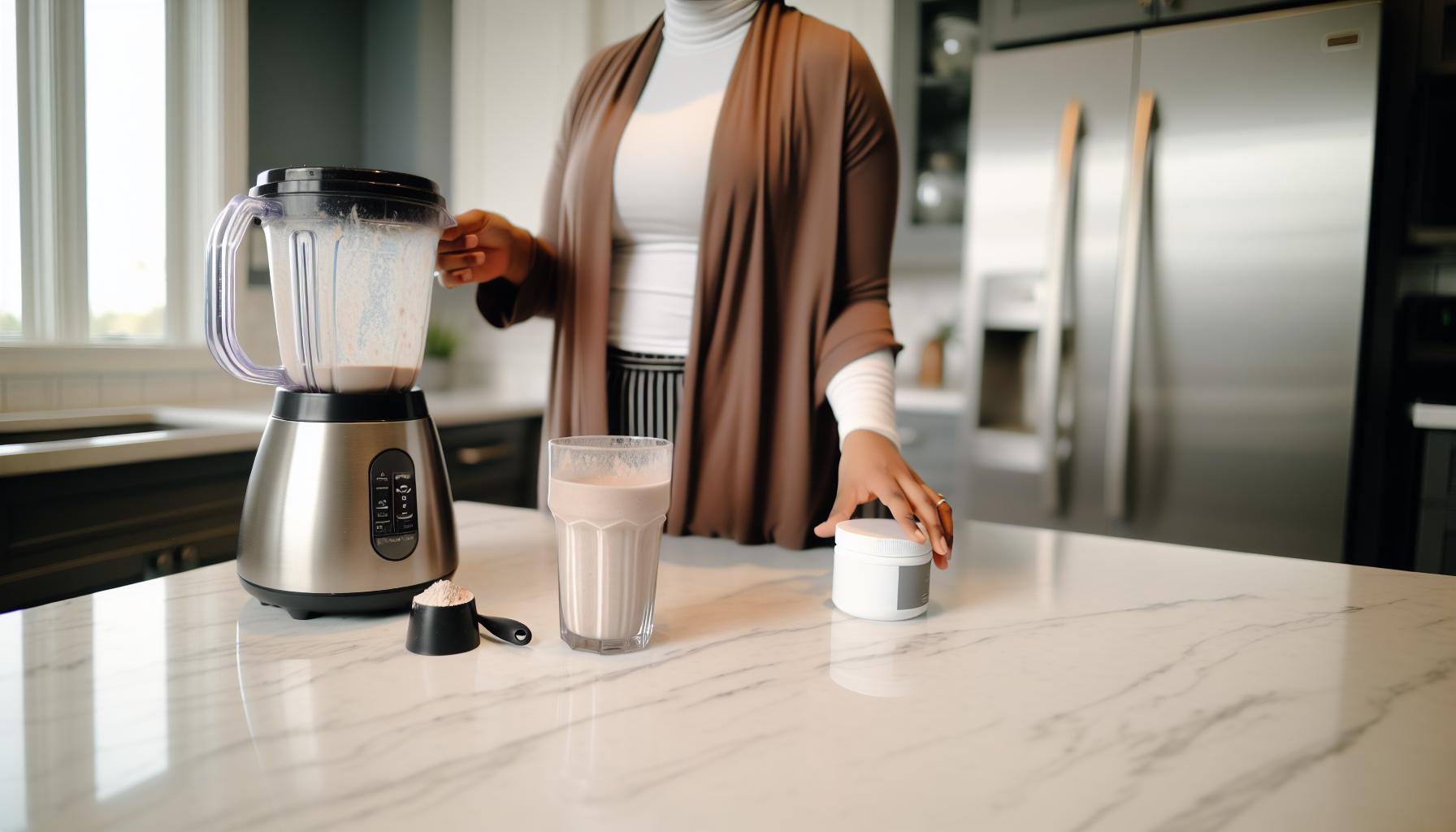
Finding gentle, nourishing ways to support yourself during the postpartum period is a stunning act of self-care, especially while breastfeeding. Introducing protein powder as part of your daily routine can provide the extra nourishment your body needs to heal, maintain strength, and keep up with the demands of nursing. When approached thoughtfully, protein powders become more than just a supplement—they become an empowering tool for honoring your body’s unique journey through recovery and motherhood.
Many moms find that weaving protein powder into simple, enjoyable rituals helps build consistency without stress. For example, starting the day with a smooth, lactation-friendly shake or blending one into a mid-afternoon snack offers steady energy and promotes muscle repair after childbirth. Even small habits, like stirring a scoop of gentle, organic plant-based protein into warm oatmeal or mixing it with almond milk and a dash of cinnamon, become moments of mindful nourishment. Remember, your body’s needs fluctuate with hormonal shifts and sleep patterns, so it’s perfectly natural to adjust amounts and timing accordingly.
Tips for Seamless Integration
- Choose a Time That feels Right: Whether morning,midday,or evening,pick a moment when sipping your protein feels comforting,not rushed.
- start Slow and Observe: Introduce small doses to ensure your digestion and your baby’s tolerance remain happy and comfortable.
- Mix with Familiar Favorites: Include ingredients you love and that support lactation, such as oats, flaxseed, or gentle spices like nutmeg and cinnamon.
- Create a Supportive Environment: Pair protein intake with deep breaths, a cozy spot, or a moment of quiet reflection—making it a nurturing ritual rather than a “task.”
Simple lactation-Friendly Protein Shake Recipe
| Ingredients | Amount |
|---|---|
| Organic pea or hemp protein powder | 1 scoop (approximately 20g) |
| Unsweetened almond milk | 1 cup |
| Ground flaxseed (supports milk supply) | 1 tablespoon |
| Banana (adds natural sweetness and potassium) | ½ ripe banana |
| Fresh or frozen blueberries (antioxidants) | ½ cup |
| Cinnamon (warming spice) | ½ teaspoon |
Instructions: Combine all ingredients in a blender. Blend until smooth. Sip mindfully, savoring the nurturing flavors.
Approaching protein supplementation with patience and compassion reinforces that postpartum care is not about “bouncing back,” but about honoring rest, replenishment, and gentle growth. Every mom’s experience is valid and deserves kindness—if one day you enjoy a shake, and the next you don’t, that’s perfectly okay. sharing your experiences within supportive communities or with your care provider can offer encouragement and help tailor your self-care to suit your evolving needs. Your journey is unique, and integrating protein powder thoughtfully can be a appetizing, simple, and safe way to support your health and joy as a breastfeeding mama.
Faq
Q: can breastfeeding moms safely use plant-based protein powders to build strength?
A: Yes,breastfeeding moms can safely use plant-based protein powders like pea,rice,or hemp,which are easy to digest and free from common allergens. Choose organic and non-toxic varieties to avoid additives. Always introduce gradually and monitor any baby reactions. Learn more about safe ingredient choices in our section on choosing Organic and Non-Toxic Protein Powders for breastfeeding moms.
Q: How can protein powder support postpartum muscle recovery while breastfeeding?
A: Protein powder helps repair and build muscle tissue after childbirth, supporting postpartum recovery and strength. Combining protein with gentle exercise boosts energy and muscle tone. Use lactation-friendly preparations from our DIY Lactation-Friendly Protein Smoothie Recipes to nourish your body without compromising milk supply.
Q: What is the best time of day for breastfeeding moms to take protein powder safely?
A: The best time is usually between meals or after light exercise, ensuring optimal absorption without affecting breastfeeding nutrition. Avoid late-night dosing to prevent digestive discomfort. Our article section on When and How to Introduce Protein Powder Postpartum offers detailed timing tips tailored for nursing moms.
Q: Are there any protein powder ingredients that breastfeeding moms should avoid to protect their baby’s health?
A: Yes, breastfeeding moms should avoid powders with artificial sweeteners, heavy metals, and common allergens like soy, gluten, and dairy additives. Also, stay clear of unnecessary stimulants or herbal ingredients not deemed lactation safe. See our Avoiding Common Additives and Allergens in Protein Powders for a full safety guide.
Q: How can adding protein powder affect milk supply and infant digestion during breastfeeding?
A: When chosen and used correctly,protein powder does not negatively impact milk supply or infant digestion. Balanced intake supports maternal strength without risking supply issues. Watch for any baby sensitivities like fussiness and consult your healthcare provider if concerned. More insights are in our section on Addressing Milk Supply Concerns and Protein Supplementation.
Q: What are easy, safe protein powder smoothie recipes for breastfeeding moms aiming to build strength?
A: Simple smoothies blending organic protein powder with fruits, leafy greens, oats, and almond milk provide energy and enhance strength safely. Add lactation-friendly herbs like fennel or fenugreek (in moderation) if desired. Try our detailed step-by-step recipes in DIY lactation-Friendly Protein Smoothie Recipes for nourishing postpartum self-care.
Q: Why should breastfeeding moms consult healthcare providers before starting protein supplements?
A: Consulting healthcare providers ensures personalized safety, prevents allergies or interactions, and addresses unique breastfeeding nutrition needs. Professional guidance helps tailor protein intake and timing perfectly for your postpartum journey. Our article highlights this in Consulting Healthcare Providers Before Starting Protein Powders for peace of mind.
Q: Can protein powders help manage postpartum fatigue for breastfeeding mothers?
A: Yes, quality protein powders provide sustained energy, support muscle repair, and help reduce fatigue common in breastfeeding moms. Combining protein with hydration and balanced meals promotes vitality. Explore integrating protein supplementation gently in our Incorporating Protein Powder Into Your Postpartum Self-Care Routine section.
For deeper insights, practical recipes, and nurturing tips on breastfeeding-safe protein powders, explore the full article sections. Your strength and wellbeing nurture your child’s healthy start!
In Retrospect
Choosing a breastfeeding safe protein powder is a powerful step toward nurturing your strength during this precious postpartum time. Prioritizing safety, timing, and wholesome ingredients supports both your body’s healing and your baby’s well-being. Remember, every mother’s journey is unique—honor what feels right for you while exploring gentle recipes, from soothing lactation teas to fortified smoothies crafted to complement your breastfeeding routine. For practical tips on postpartum nutrition and self-care, check out our [Postpartum Nutrition Guide] and [Gentle Recovery Workouts].
Ready to build strength safely with confidence? Explore our curated [Protein Powder Reviews for Nursing Moms] and subscribe to our newsletter for personalized recipes, expert insights, and supportive community stories. have questions or want to share your own experience? Drop a comment below—your voice enriches this nurturing space. Together, we celebrate the complexities of motherhood with warmth and wisdom, empowering you every step of the way. Keep returning for fresh ideas on breastfeeding wellness, lactation support, and postpartum vitality tailored just for you.
Get our latest guides, news, and insights highlighted in your Google Search & AI Overviews.


 JUST 15 MINUTES A DAY