
Best Stool Softener While Breastfeeding: Postpartum Relief
Many new moms face unexpected challenges after childbirth—constipation is one of the most common and uncomfortable postpartum issues, especially while breastfeeding. Finding the best stool softener that’s gentle, effective, and safe during lactation can bring much-needed relief without disrupting your baby’s feeding routine. This guide offers thoughtful options that honor your body’s healing process and support your wellbeing,blending medical wisdom with nurturing care. Whether you’re navigating perineal healing or hormonal shifts, understanding safe ingredients and timing can empower you to ease discomfort naturally and confidently. Let’s explore simple, practical solutions crafted with your unique postpartum journey in mind—because gentle self-care matters, and every mother deserves comfort and peace as she embraces this new chapter.
Contents
- Understanding Stool Softeners Safe for Breastfeeding Moms
- Why Postpartum Constipation Happens and How to Spot It
- Natural Remedies and Foods to Soften Stools While Nursing
- How to Choose and Use Over-the-Counter Stool Softeners Safely
- Herbal Teas and Supplements: benefits and Breastfeeding Precautions
- Step-by-Step Guide to DIY Postpartum Soothing Smoothies and Snacks
- Timing and Dosage: Using Stool Softeners at Different postpartum Stages
- Gentle Self-Care Practices to Support Digestive Health After Birth
- When to Consult your Healthcare Provider About Stool Issues
- Real Moms’ experiences and Tips for managing Postpartum Constipation
- Faq
- Q: Are there any stool softeners to avoid while breastfeeding?
- Q: How soon can I expect relief after starting a stool softener while breastfeeding?
- Q: Can I use stool softeners while breastfeeding if I had a cesarean section?
- Q: What lifestyle changes improve postpartum constipation besides stool softeners?
- Q: Are there any risk factors that make postpartum constipation worse during breastfeeding?
- Q: How can I safely combine herbal teas with stool softeners while breastfeeding?
- Q: When is it necessary to stop using stool softeners while breastfeeding?
- Q: Can postpartum breastfeeding moms take probiotics to support stool softening?
- Wrapping Up
Understanding Stool Softeners Safe for Breastfeeding Moms
New mothers frequently enough face the unexpected challenge of constipation, a common postpartum discomfort that can feel frustrating and painful, especially while breastfeeding. Choosing a stool softener that is safe during this delicate phase is crucial—not just for your comfort but for your baby’s wellbeing too. Many standard medications can pass small amounts into breast milk, so being informed about gentle, effective options gives you peace of mind while supporting your natural healing process.
Generally, stool softeners such as those containing docusate sodium are considered safe during lactation because thay work by drawing water into the stool, making it easier to pass without stimulating the bowels aggressively. unlike stimulant laxatives, which can sometimes cause cramping or dependency, stool softeners gently support your body’s rhythm, helping ease discomfort after birth or cesarean recovery. Always opt for products labeled safe for breastfeeding or consult your healthcare provider before starting any new medication.
What to Look for in a Breastfeeding-Kind Stool Softener
- Non-stimulant ingredients: These soften stool without causing harsh contractions, reducing discomfort and preserving postpartum energy.
- Minimal systemic absorption: Ingredients that act locally in the gut are less likely to enter your bloodstream or breast milk.
- FDA-approved options: Products with clear safety track records provide confidence and consistency.
- Complementary hydration and fiber: Stool softeners work best alongside plenty of fluids and a fiber-rich diet to promote lasting relief.
Remember, individual responses vary, so listen to your body’s signals. some moms find that combining mild stool softeners with natural remedies—like warm prune juice or gentle abdominal massage—gives extra relief. Others may prefer to delay medication until breastfeeding is well established. Your postpartum journey is uniquely yours, and there is support every step of the way.
if you ever feel unsure, reach out to your midwife, lactation consultant, or healthcare provider for personalized guidance.Knowing which stool softeners are safe ensures you can focus on nurturing both yourself and your baby, embracing this transformative time with greater comfort and confidence.
Why Postpartum Constipation Happens and How to Spot It
The weeks after childbirth bring incredible changes,and your body is busy healing and adjusting to new rhythms—including your digestive system. Postpartum constipation is surprisingly common and can catch many new moms off guard.It happens not because of anything you’ve done wrong, but due to a blend of natural shifts, medications, and lifestyle changes that can slow down the movement of stool through your intestines.
Several factors contribute to constipation during this sensitive time. Hormonal changes, especially the rise in progesterone during pregnancy and its persistence shortly after birth, relax the muscles in the digestive tract, slowing down bowel movements. Add to that the effects of pain medications, especially opioids prescribed after cesarean or perineal trauma, which can inhibit normal gut function. Less physical activity while recovering and dehydration—as breastfeeding requires extra fluids—can tighten things further. Even the natural fear or discomfort around pushing or straining after birth may cause some moms to postpone going to the bathroom, which unintentionally worsens constipation.
Recognizing the signs early can make a big difference. you might notice infrequent bowel movements, stools that are hard, dry, or small, or a sensation of incomplete evacuation. Other symptoms include abdominal bloating, cramping, or discomfort when sitting or moving. Some moms describe a feeling of heaviness or pressure “down there,” which can also impact mood and energy levels. It’s critically important to honor these signals as your body’s way of asking for gentle care.
Spotting postpartum Constipation: What to Watch For
- Less than three bowel movements per week: A common clinical marker for constipation.
- Straining or pain during bowel movements: Avoid pushing hard, which can affect healing, especially if you have stitches.
- Hard, pellet-like stools: Difficult to pass and often painful.
- Feeling of incomplete emptying or blockage: Ongoing discomfort even after trying to go.
- Abdominal swelling or cramping: Signals stool retention in the colon.
Remember, each postpartum journey is unique. Some moms breeze through this phase with minimal issues,while others face ongoing challenges that require additional support. Listen kindly to your body’s cues—if natural remedies and gentle stool softeners aren’t enough, consulting a healthcare provider is a wise, nurturing next step.
This stage is not just about getting “back to normal” quickly, but about embracing a period of healing that respects the complexity of your postpartum body—honoring your needs, your baby’s wellbeing, and the precious time you’re both sharing.
Natural Remedies and Foods to Soften Stools While Nursing
Many new moms find that gentle, natural approaches to easing postpartum constipation are not only effective but also deeply comforting during such a tender time. As your body is still nourishing your baby through breastfeeding, choosing stool-softening foods and remedies that support both you and your little one is key. Hydration stands out as a simple yet powerful ally—warm water, herbal teas (safe for nursing), and fresh fruit juices can gently encourage digestion and keep stools soft. Incorporating fiber-rich, whole foods like oats, flaxseeds, and leafy greens can provide bulk and moisture, helping your bowels move smoothly without strain.
Fiber and Fluids: The Gentle Duo
- Oats and Whole Grains: Start your day with a warm bowl of oatmeal topped with fresh berries and a sprinkle of ground flaxseeds.Oats are nourishing and packed with soluble fiber that soothes the gut.
- Hydrating Fruits: Pears, prunes, and apples (with skin) offer natural sorbitol and fibers that soften stool effectively. Try stewing prunes for a gentle, tummy-friendly snack.
- Vegetables: Steamed greens like spinach and kale introduce both fiber and essential vitamins while being easy on digestion.
DIY Soothing Drink: flaxseed Water
- 1 tablespoon whole or ground flaxseeds
- 1 cup warm water
- Optional: a splash of lemon juice or a teaspoon of honey
Steep flaxseeds in warm water for 10–15 minutes until the mixture thickens slightly. Sip slowly in the morning or before bedtime. Flaxseeds are rich in omega-3s and mucilage, which lubricate the intestines naturally and support healing postpartum.
Herbal remedies can be nurturing if chosen carefully. Chamomile and ginger tea—breastfeeding safe in moderate amounts—help reduce bloating and improve digestion without overstimulating. Avoid herbs like senna or cascara unless directed by a healthcare provider, as they may be too harsh during this delicate phase. Listening to your body means noticing how foods and drinks feel—not just immediately, but with gentle observation over days.
Keep in mind, every mom’s body responds differently. What brings relief to one might be mild or even a little unsettling for another. The goal is a balanced, kind approach that feels supportive, never forcing the process. Celebrate each small success and remember that nurturing your digestive health is also a form of nurturing yourself and your baby’s wellbeing.
How to Choose and Use Over-the-Counter Stool Softeners Safely
Finding the right over-the-counter stool softener while breastfeeding can feel a little overwhelming,but it’s critically important to remember that many safe options exist to gently ease postpartum constipation without disrupting your milk supply or your baby’s digestive comfort. Stool softeners work by drawing water into the stool, making it softer and easier to pass—this is key after birth, when your body is healing and laxity in the colon or perineal soreness might make bowel movements uncomfortable or delayed.
When selecting a stool softener, look for products specifically labeled as docusate sodium or calcium, which are widely regarded as safe for breastfeeding moms as they remain mostly active in the intestines and minimally absorbed into the bloodstream. These types of stool softeners don’t stimulate bowel contractions forcefully but rather soften stool gradually and gently. Avoid stimulant laxatives like senna or bisacodyl unless your healthcare provider recommends them, as these can cause cramping and may impact milk production or irritate your system.
Using OTC Stool Softeners Safely and Effectively
- Start with the Lowest Effective Dose: Begin with the manufacturer’s recommended dosage, often one capsule or tablet daily, taken with a full glass of water. Increasing hydration amplifies the softener’s effect naturally.
- Timing Matters: Take your stool softener with meals to support gentle digestion. Many moms find taking it at breakfast supports morning bowel movements, especially when paired with fiber-rich foods and warm liquids.
- Monitor Your Body’s Response: Pay attention to how your body and baby respond. Some mild bloating or softness variance is normal, but if you experience diarrhea, cramping, or baby fussiness, pause and consult your healthcare provider.
Extra Tips from Experienced Moms
One mom shared that pairing her docusate sodium with a morning ritual of warm lemon water and a fiber smoothie helped gently encourage her bowels each day, without relying heavily on medication.Another found that having the stool softener on hand meant peace of mind,allowing her to focus on bonding and breastfeeding without the added stress of constipation pain.
| Product | active Ingredient | Typical Dosage | Breastfeeding Safety |
|---|---|---|---|
| Docusate Sodium (Colace) | Docusate Sodium 100 mg | 1 capsule daily as needed | Generally safe, minimal absorption |
| docusate Calcium | Docusate Calcium 240 mg | 1-2 capsules daily | Safe when used as directed |
| Polyethylene Glycol 3350 (MiraLAX) | Osmotic laxative | Check with healthcare provider | Used cautiously, consult provider |
Remember: There’s no one-size-fits-all. Your body’s journey through postpartum healing is unique, and the safest path involves gentle support, respect for your recovery pace, and open dialog with your lactation consultant or midwife. Combining safe OTC stool softeners with nurturing foods, fluids, and rest helps unlock smoother, kinder digestion during this delicate time.

Herbal Teas and Supplements: benefits and Breastfeeding Precautions
herbal teas and supplements have long held a cherished place in postpartum self-care, offering gentle support for digestion while honoring the body’s natural rhythm. Many breastfeeding moms find comfort in sipping warm, soothing teas that help soften stools and reduce discomfort without interfering with milk supply.However, it’s essential to approach these natural options with mindfulness, balancing their benefits with safety precautions that protect both you and your little one.
some herbs are well-loved for their mild laxative effects and calming properties when used thoughtfully. For exmaple, slippery elm can soothe the digestive tract and ease bowel movements by forming a gentle, mucilaginous coating inside the intestines. Chamomile tea not only supports relaxation but also aids digestion and may alleviate cramps. Another calming choice is peppermint tea, which can relax intestinal muscles and encourage smoother digestion. These are generally safe in moderate amounts, but it’s wise to avoid concentrated supplements without professional guidance, as concentrated doses can have stronger, unintended effects.
Safe Practices and Herbal Choices for New Moms
- Start Small and Observe: Begin with a half cup of herbal tea once daily to see how your body and baby respond. Gradually increase to 1-2 cups as tolerated.
- Choose Quality Sources: Use caffeine-free, organic teas and double-check that herbs haven’t been combined with stimulants like senna, which are not recommended during breastfeeding.
- Consult your Healthcare Provider: especially if considering supplements beyond teas, such as cascara or senna-based products, which can have more potent effects and may impact milk production or cause cramping.
DIY Gentle Herbal Tea Blend for Postpartum Comfort
Try this nurturing tea blend crafted to support your digestion and soothe postpartum sensitivities:
| Ingredient | Benefit | amount per Serving |
|---|---|---|
| Slippery Elm Bark Powder | Soothes the intestinal lining; softens stool | 1 teaspoon |
| Chamomile Flowers | calms digestive spasms; promotes relaxation | 1 teaspoon dried |
| Peppermint Leaves | Relaxes bowel muscles; reduces bloating | 1 teaspoon dried |
Planning Steps:
- Combine ingredients in a teapot or infuser.
- Pour 8 oz (1 cup) of boiling water over the herbs.
- Cover and steep for 8–10 minutes to allow full extraction.
- Strain and sip slowly, ideally after a meal to aid digestion gently.
Avoid adding sweeteners like honey in early postpartum if baby is very young or has sensitivities. Instead, try a twist of fresh lemon or a splash of cooling coconut water for hydration and flavor.
While herbal teas can be a delightful addition to your daily routine, supplementation with capsules or tinctures requires more caution. Herbs such as senna, cascara, and aloe have more potent laxative effects and are generally not recommended during breastfeeding because they may pass into breast milk and cause diarrhea or irritability in babies. Always check with your lactation consultant or healthcare provider before introducing any herbal supplements beyond gentle teas.
Remember, every mother’s body responds uniquely. What eases discomfort for one may not suit another, so listen closely to your body’s signals. Embracing these calming, natural remedies can create a nurturing rhythm that honors your postpartum healing while honoring the special bond of breastfeeding.
Step-by-Step Guide to DIY Postpartum Soothing Smoothies and Snacks
Few things offer comfort quite like a nourishing snack designed with your postpartum body in mind—especially when faced with the common challenge of constipation.Smoothies and gentle snacks can be your flavorful allies, softening stools while providing vital hydration and nutrients that support healing and breastfeeding. These homemade treats combine fiber-rich ingredients, natural stool softeners, and calming flavors, crafted to honor your unique postpartum needs without overwhelming your senses or your schedule.
Key Ingredients to Include
- Fiber-rich fruits: Prunes, pears, apples (with skin), and berries help bulk up and soften stool naturally.
- Hydrating veggies: Cucumber, spinach, and zucchini add moisture and gentle greens that aid digestion.
- Healthy fats: Flaxseeds, chia seeds, or avocado provide omega-3s and healthy fats that lubricate the digestive tract.
- Probiotic-rich foods: Plain yogurt or kefir gently introduce good bacteria to support gut health (choose dairy carefully based on your baby’s tolerance).
- Natural sweeteners: A touch of raw honey or dates (if your baby is older than 6 months) for mild sweetness and additional fiber.
- Hydration boosters: Coconut water or unsweetened almond milk keeps blends smooth and easy to drink.
Simple Soothing Smoothie Recipe for Postpartum Comfort
| Ingredient | Amount | Benefit |
|---|---|---|
| Prunes (soaked overnight) | 1/4 cup | Natural laxative; adds fiber and sweetness |
| Ripe pear (with skin) | 1 small | High in fiber; gentle on digestion |
| Spinach leaves | 1/2 cup | Rich in magnesium and fiber; supports bowel function |
| Chia seeds (soaked) | 1 tbsp | Expands in the gut to soften stool and hydrate |
| Coconut water | 1 cup | hydrates and replenishes electrolytes |
| Raw honey (optional) | 1 tsp | Adds gentle sweetness and prebiotic benefits |
Preparation:
- Blend all ingredients until smooth.
- Drink slowly, ideally in the morning or early afternoon to aid digestion and hydration.
- Adjust thickness with more coconut water or add ice for a refreshing touch.
Easy Fiber-Rich Snack: Oat and Flaxseed Bites
- Ingredients: 1 cup rolled oats, 2 tbsp ground flaxseeds, 1/4 cup mashed banana, 2 tbsp natural nut butter, and a handful of raisins or chopped dates.
- Method: Mix all ingredients well. Form into small balls or patties. Chill for 30 minutes before eating.
- Benefit: These bites offer sustained fiber and healthy fats, perfect for a rapid, soothing nibble that supports gentle bowel movements.
Real Moms’ tips for Incorporating Smoothies and Snacks
- Listen to your body: Start with small servings and observe how your digestion and baby respond.
- Timing matters: Eating high-fiber snacks earlier in the day can definitely help prevent nighttime digestive discomfort.
- Be patient: Fiber-rich foods take time to support bowel function—consistency is nurturing.
- Hydrate continuously: Water and natural fluids complement fiber to soften stool, so sip steadily throughout the day.
Caring for your body during this tender phase means blending nourishment and comfort seamlessly. These smoothies and snacks are gentle, effective tools to ease postpartum constipation while celebrating the beauty of breastfeeding and healing. Remember, every mother’s journey is different—let your palate and intuition guide you to what feels best.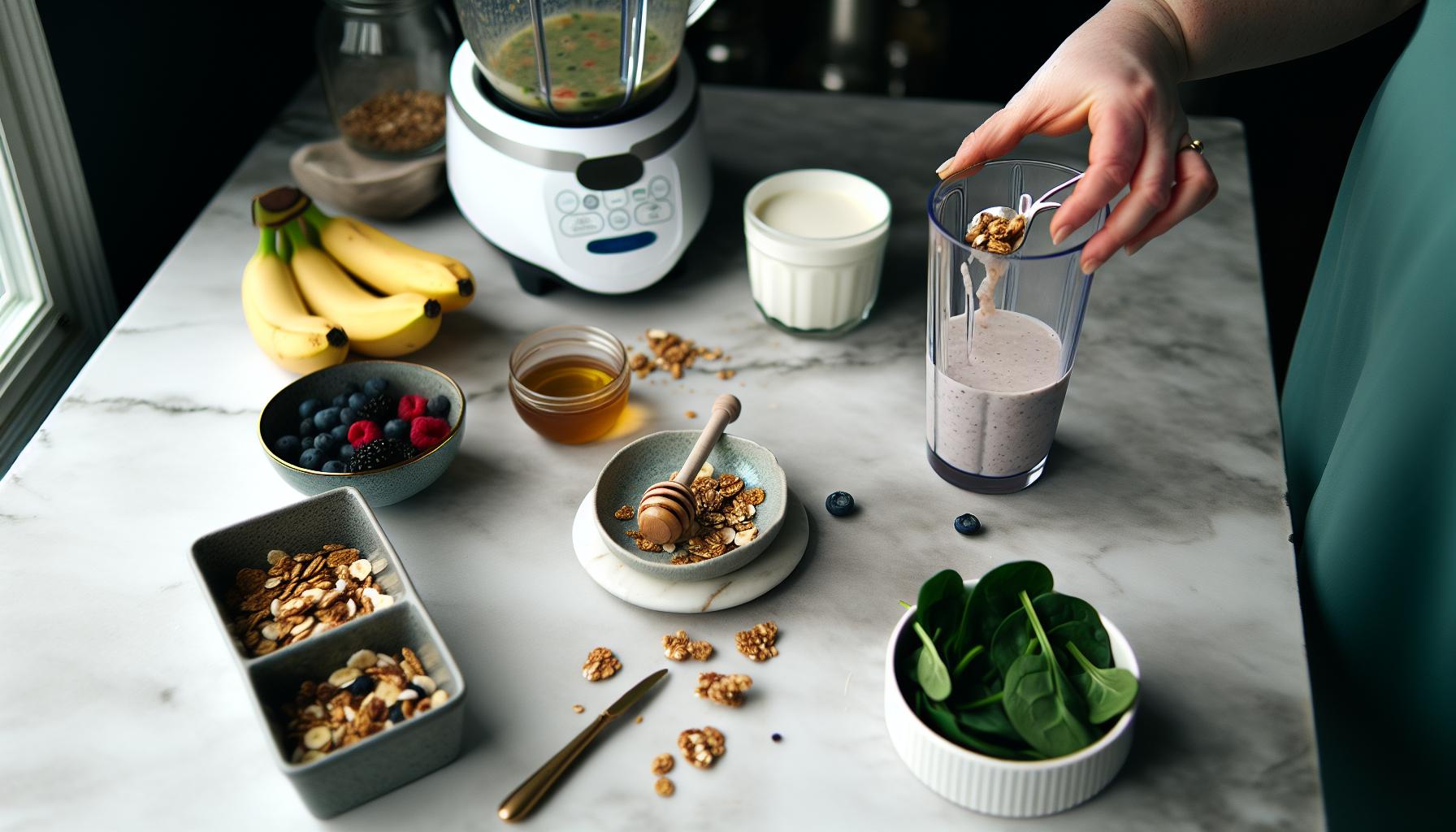
Timing and Dosage: Using Stool Softeners at Different postpartum Stages
Many new moms find that managing constipation can feel like navigating a delicate dance—knowing when and how to use stool softeners safely through the ebb and flow of postpartum healing is key to comfort and health. The postpartum phase spans roughly six to eight weeks, with the body shifting through acute, early, and late stages, each bringing unique needs and sensitivities. Using stool softeners thoughtfully within these windows helps support gentle bowel movements without disrupting breastfeeding or the natural recovery process.
In the first 24 hours after birth, your body is especially tender. The uterus is contracting, and any stitches or tears—such as perineal repair—are fresh. During this acute phase, stool softeners can be introduced but with caution and often under medical guidance. Stool softeners like docusate sodium are generally considered safe, as they work by drawing water into the stool rather than stimulating the bowels aggressively. This gentler approach can definitely help prevent painful straining while not affecting your milk supply [1]. Aim for the lowest effective dose here, usually once or twice a day, and prioritize hydration and natural fiber through foods and fluids.
As you move into the early postpartum stage (up to 7 days), your body is still tender but gaining strength. It’s a good time to maintain routine gentle stool softeners if needed, alongside increasing fiber-rich foods and fluids, to encourage consistent bowel movements. Some moms find that timing dosing to morning or early afternoon helps ease digestion throughout the day without causing nighttime urgency, which can interrupt your much-needed rest. Many breastfeeding moms appreciate this balance as it supports comfort without overwhelming their systems. Remember,each woman’s response varies; some may find a daily dose sufficient,while others may need to adjust under the guidance of their healthcare provider.
By the late postpartum phase (6 weeks to 6 months postpartum), your body is steadily healing but may still respond sensitively to changes in diet, stress, and sleep patterns—common constipation triggers. If stool softeners remain necessary, you might use them intermittently, leaning heavily on natural remedies like smoothies loaded with prunes, pears, and hydrating greens (see previous section). Over-the-counter options remain an option but shoudl be matched to your current bowel habits—avoid regular stimulant laxatives unless advised, as they can disrupt natural bowel function. gentle self-care, including movement and hydration, complements safe stool softener use during this time.
Suggested Stool Softener Use by Postpartum Phase
| Postpartum Phase | Recommended Stool Softener Use | Supportive Care Focus |
|---|---|---|
| Acute (first 24 hours) | Low-dose docusate sodium (once daily or as directed) | Hydration, gentle foods, perineal care, avoid straining |
| Early (up to 7 days) | Continue stool softener if needed; monitor timing (morning preferred) | Fiber-rich diet, fluids, rest, pelvic floor relief |
| Late (6 weeks–6 months) | use stool softeners intermittently; focus on natural fiber and gentle activity | Consistent hydration, balanced diet, stress management |
Knowing when to adjust dosage or pause stool softener use is important; trust your body’s signals and progress. If you notice persistent hardness, straining, or discomfort beyond the early postpartum period, reach out to your healthcare provider for tailored support. Remember, gentle care honors your healing journey—there’s no rush to “bounce back,” only steps toward feeling well and thriving as a new mom.
Your digestive health is a vital part of overall postpartum wellness, and thoughtful timing and dosing of stool softeners, paired with nourishing foods and hydration, create a comforting rhythm to this phase’s many transitions.
Gentle Self-Care Practices to Support Digestive Health After Birth
It’s remarkable how simple, intentional habits can gently ease your body through postpartum digestive ups and downs, especially when managing constipation while breastfeeding. The first weeks after birth bring a whirlwind of physical recovery and hormonal shifts that naturally slow digestion. Honoring this vulnerable time means embracing patience with your body while offering it nurturing care that supports smooth, comfortable bowel movements.
Small, consistent steps—like staying well-hydrated with warm water or herbal infusions—help keep stools soft and digestion calm.Moving mindfully, even gentle walks or pelvic floor stretches, encourages natural bowel activity without overstressing your healing body. Think of this as a form of self-kindness; your body is working hard to restore balance,so avoiding strain,both physical and emotional,is key. Many moms find that creating a relaxed bathroom routine, with privacy and perhaps soothing scents like lavender or chamomile nearby, can make all the difference when the urge to go feels challenging.
Simple Daily Practices to Soothe and support Digestion
- Hydration with intention: aim for 8-10 glasses of fluid daily, including warm herbal teas such as fennel, ginger, or raspberry leaf (confirm each is safe during lactation). These can ease bloating and gently stimulate digestion.
- Incorporate gentle movement: Short walks or postpartum yoga help stimulate bowel function while respecting your body’s limits.
- Balanced fiber intake: Choose a mix of soluble and insoluble fiber from sources like oats, pears, prunes, leafy greens, and chia seeds to keep bowels regular without harsh abruptness.
- Mindful breathing and relaxation: Stress can tighten the gut; simple breathing exercises or moments of calm each day can support smoother digestion.
- Gentle abdominal massage: Using circular motions around the navel, this can encourage peristalsis (the wave-like muscle contractions in your intestines) and ease discomfort.
Herbal Tea Recipe: Calm & Comfort for Digestive Support
| Ingredient | quantity | Notes |
|---|---|---|
| Organic Fennel Seeds | 1 teaspoon | Helps reduce bloating, supports digestion |
| Organic Ginger Root (sliced) | 1 teaspoon | Anti-inflammatory, supports gut motility |
| Raspberry Leaf | 1 teaspoon | Traditionally used in postpartum, mild and safe during breastfeeding |
| Hot Water | 1 cup (240 ml) | Brew for 10 minutes, strain and sip warm |
Enjoy 1-2 cups daily, preferably between meals. Avoid if you have any allergies or contraindications as advised by your healthcare provider.
Every mother’s postpartum journey is uniquely her own. What soothes one may not for another, so listen deeply and respond kindly to your body’s signals. If a day feels tough,celebrate the small wins—maybe a peaceful meal or a few minutes stretched in sunshine. You’re nurturing not only your baby but also yourself, and that devotion matters profoundly. When gentle care and natural remedies join thoughtfully with safe stool softeners, your digestive health can flourish alongside your blossoming motherhood.
When to Consult your Healthcare Provider About Stool Issues
Navigating postpartum constipation while breastfeeding is often a gentle balancing act, but it’s important to recognize when your body is signaling something needs more attentive care. While many moms find relief through natural remedies, lifestyle adjustments, and safe stool softeners, certain signs mean it’s time to reach out for professional support. Listening to your body with kindness and curiosity ensures your healing process stays on track without unneeded stress or discomfort.
If constipation lasts more than a week despite consistent self-care, or if you experience severe pain, bleeding, or intense cramping, these are clear indicators to consult your healthcare provider. Difficulty passing stools that causes lasting distress or if you notice swelling or a feeling of blockage should never be ignored. Sometimes, postpartum healing is intricate by perineal tears, hemorrhoids, or pelvic floor issues, which may require specialized advice or treatment to prevent further discomfort.
When to Seek Help: Key Signs & Practical Tips
- Prolonged constipation: No bowel movement for more than 7 days despite hydration, fiber, and gentle activity.
- Pain or bleeding: Sharp pain during bowel movements, shining red blood, or persistent anal discomfort.
- Signs of blockage: Severe bloating, nausea, or abdominal swelling accompanied by inability to pass gas or stool.
- impact on feeding or mood: When constipation affects your energy,mood,or ability to care for your baby,professional guidance can provide relief and reassurance.
Recognizing that each postpartum journey is unique, don’t hesitate to share your story openly with your care provider.Whether from vaginal birth or cesarean recovery, factors like stitches, hormonal shifts, and exhaustion all influence your digestive health.for many moms, a trusted midwife or lactation consultant can guide safe stool softener choices that won’t interfere with milk supply or baby’s wellbeing. Together, you can craft a plan that honors your body’s pace, incorporating gentle medical support alongside nurturing self-care.
by trusting your intuition and knowing when to ask for help, you empower yourself to heal with confidence, easing discomfort while cherishing the delicate postpartum period.
Helpful Questions to Prepare Before Your Visit
| Question | Why It Matters |
|---|---|
| How long have you been experiencing constipation? | Helps determine the urgency and need for interventions. |
| What home remedies or stool softeners have you tried? | Informs provider about current management and potential adjustments. |
| Are you experiencing pain, bleeding, or swelling? | Identifies signs that require immediate attention or specialized care. |
| How is constipation affecting your daily life and breastfeeding? | Highlights the broader impact on mental and physical wellness. |
Real Moms’ experiences and Tips for managing Postpartum Constipation
Many new moms discover that managing postpartum constipation becomes a unique, sometimes unpredictable part of early motherhood. “it felt like my body was holding onto every ounce of stress and exhaustion,” shares one mother who found that gentle hydration paired with warm lemon water each morning helped ease her digestion without disrupting breastfeeding.Another mom found journaling her food and fluid intake helped her notice when she needed to increase fiber-rich meals or slow down on processed foods, empowering her to gently steer her body back toward balance.
The wisdom shared among moms often highlights the importance of tuning in to your own body’s signals without pressure or guilt.One experienced mom-midwife advises, “Remember, constipation isn’t a failure — it’s a sign your body needs kindness and time. using a stool softener isn’t about ‘bouncing back,’ but about supporting your healing perineum and digestive system.” Many moms echo that staying mobile with light walks, even when every part of them wants to rest, makes a subtle but powerful difference in encouraging regular bowel movements.
Practical Tips from Real Moms
- Gentle Hydration: Warm water with a splash of lemon first thing can kickstart digestion and soften stool safely during breastfeeding.
- Fiber Variety: Incorporating oats, chia seeds, leafy greens, and sweet potatoes creates a stool-friendly mix that supports sustained bowel health.
- Scheduled Bathroom Time: Setting aside a relaxed, unhurried period daily—even if you don’t feel the urge—can help train your body to develop a routine.
- Breathing & Relaxation: Deep, diaphragmatic breathing or short meditation before bathroom visits reduces tension in the pelvic floor, easing the stool’s passage.
- Safe Stool Softeners: Consulting your midwife or lactation consultant to select mild, milk-safe options, like docusate sodium, ensures comfort without impacting your milk supply.
Many moms also incorporate gentle herbal teas, like chamomile or slippery elm, but with caution and clear guidance from their healthcare providers to avoid substances not recommended during lactation. This blend of natural and clinical care encourages a balanced, mindful postpartum recovery.
Mom-Approved DIY Soothing Smoothie for Digestive Support
| Ingredient | Purpose |
|---|---|
| 1 ripe banana | Rich in soluble fiber for softening stool |
| 1 tablespoon ground flaxseed | Promotes gut motility and adds omega-3s |
| 1 cup unsweetened almond milk (or preferred milk) | Hydration base,gentle on digestion |
| ½ cup spinach | High in fiber and magnesium,aiding bowel function |
| 1 teaspoon honey (optional) | Natural sweetener with mild antimicrobial properties |
| Few ice cubes | For refreshing texture |
Blend until smooth and sip slowly in the morning or early afternoon. This recipe supports gentle digestion while nourishing both mom and baby through breastfeeding.
Ultimately,postpartum constipation is deeply individual,shaped by birth type,hormonal shifts,and emotional landscapes. What works wonders for one mom may feel less effective for another,and that’s perfectly okay. The warm, collective wisdom of moms paired with trusted medical advice forms a nurturing bridge through this frequently enough tricky postpartum phase—helping each woman honor her body’s healing journey with compassion and patience.
Faq
Q: Are there any stool softeners to avoid while breastfeeding?
A: Yes, avoid stimulant laxatives like senna or bisacodyl while breastfeeding as they can cause cramping or dehydration. Rather,opt for gentle,fiber-based stool softeners like docusate sodium which are considered safe. Always check with your healthcare provider if unsure—see our section on safe over-the-counter stool softeners for more details.
Q: How soon can I expect relief after starting a stool softener while breastfeeding?
A: most gentle stool softeners, such as docusate, work within 12 to 72 hours, providing gradual relief without affecting milk supply. For quicker results, combine with hydration and fiber-rich foods. refer to our timing and dosage guide for postpartum stages to tailor your approach safely.
Q: Can I use stool softeners while breastfeeding if I had a cesarean section?
A: Yes, stool softeners are helpful after a cesarean to ease bowel movements and prevent strain on your incision. Choose gentle options like docusate sodium and pair with self-care practices outlined in our gentle digestive health support section to promote comfort and healing.
Q: What lifestyle changes improve postpartum constipation besides stool softeners?
A: Incorporate hydration, regular gentle exercise, and fiber-rich foods to naturally soften stools while breastfeeding. Avoid caffeine and processed foods that can worsen constipation. See our natural remedies and foods section for easy, mom-friendly recipes and tips to support digestion safely.
Q: Are there any risk factors that make postpartum constipation worse during breastfeeding?
A: Yes, factors like hormonal changes, dehydration, pain medication, and limited mobility can exacerbate constipation postpartum while nursing. Awareness helps—our article’s why postpartum constipation happens section offers insight to identify and manage these risks effectively.
Q: How can I safely combine herbal teas with stool softeners while breastfeeding?
A: Certain mild herbal teas like chamomile or ginger can complement stool softeners but avoid laxative herbs like senna. Always start with small amounts and consult your provider to ensure safety for both you and baby. Our herbal teas and breastfeeding precautions section has detailed recommendations.
Q: When is it necessary to stop using stool softeners while breastfeeding?
A: Stop stool softeners if you experience severe diarrhea, abdominal pain, or allergic reactions. Persistent constipation unrelieved by stool softeners also warrants a healthcare provider visit. For personalized guidance, refer to our when to consult your healthcare provider section.
Q: Can postpartum breastfeeding moms take probiotics to support stool softening?
A: Yes, taking probiotics can promote a healthy gut microbiome and improve stool consistency naturally. Choose breastfeeding-safe strains and combine with stool softeners as needed. Our gentle self-care and dietary tips section discusses integrating probiotics for digestive health postpartum.
Explore these FAQs alongside our full guides for a nurturing approach to postpartum relief. Your comfort and safety matter most—reach out anytime for more supportive tips!
Wrapping Up
Finding the right stool softener while breastfeeding can ease postpartum discomfort gently and safely, supporting your body’s healing without interrupting lactation. Remember, each new mom’s experience is unique—what soothes one may differ for another.Prioritize gentle, evidence-based options that respect your breastfeeding journey and consult your healthcare provider if questions arise. For nurturing self-care, explore our guides on postpartum nutrition and perineal care to complement your relief routine.
Ready for more trusted insights? Dive into our Postpartum Recovery Tips and Breastfeeding Support Resources to empower your motherhood path with holistic wisdom and practical advice. Don’t forget to join our newsletter for expert tips and community stories that honor your healing process with warmth and understanding. Share your experiences or questions below—we’re here to create a safe space where every mother’s voice matters and every step toward comfort is celebrated.Your wellbeing is the heart of this journey, and together, we thrive.
Get our latest guides, news, and insights highlighted in your Google Search & AI Overviews.


 JUST 15 MINUTES A DAY