
Best Nuts for Breastfeeding: Protein-Packed Snacks
Did you know that nourishing your body well during breastfeeding supports not only your recovery but also the quality of your milk? choosing the right snacks, like protein-packed nuts, can provide steady energy and essential nutrients that help sustain lactation and keep you feeling balanced through those demanding days. For many new mothers, finding easy, wholesome snacks that fit between feedings can feel overwhelming—but nuts offer a simple, versatile option rich in healthy fats, protein, and minerals vital for both you and your baby. This guide gently explores the best nuts to include in your postpartum diet, balancing practical nutrition advice with warm understanding of your unique journey. Whether you’re navigating hormonal shifts, healing physically, or just seeking nurturing snacks that truly support your breastfeeding goals, these thoughtful choices can become comforting allies. Let’s dive into how protein-packed nuts can quietly boost your strength and well-being, making snack time both satisfying and safe as you embrace motherhood with confidence and care.
Contents
- Nutritional Benefits of Nuts for Breastfeeding Moms
- Top Protein-Packed Nuts to Boost Milk Supply
- How to Safely Introduce Nuts During postpartum
- Creative Nut-Based Snack Recipes for Busy Moms
- Allergy Awareness and Nut Safety Tips for Babies
- Balancing Nut Intake with Other Postpartum Nutrients
- The Role of Healthy Fats in Breast milk Quality
- Nuts and Digestion: Easing Postpartum Sensitivities
- Incorporating Nuts in Lactation Smoothies and Teas
- Real Mom Stories: nuts That Helped My Breastfeeding Journey
- Cultural Traditions and Nuts for nursing Mothers
- When to Avoid Nuts: Medical Insights and Considerations
- Frequently asked questions
- Q: How do different types of nuts affect breast milk flavor and baby acceptance?
- Q: When is the best time postpartum to start eating nuts for breastfeeding benefits?
- Q: Can nut proteins cause sensitivities in breastfeeding babies, and how can moms prevent it?
- Q: What are the best nut-based snacks for on-the-go breastfeeding moms needing quick protein?
- Q: How do nut fats compare to other fat sources for enhancing breast milk nutrition?
- Q: Why might some breastfeeding moms feel digestive discomfort after eating nuts, and how can they ease it?
- Q: How can breastfeeding moms use nuts to support postpartum recovery beyond milk supply?
- Q: Are there specific nut powders or butters that offer better protein benefits for breastfeeding?
- The Conclusion
Nutritional Benefits of Nuts for Breastfeeding Moms
Nuts are quietly powerful allies during the breastfeeding journey, offering a treasure trove of nutrients that support both mom and baby. They provide a concentrated source of energy — essential for the increased calorie needs of lactation — while delivering key proteins and healthy fats that nourish your body and contribute to the rich quality of breast milk. For many new moms, incorporating nuts into daily snacks is a gentle, practical way to refill drained energy stores without resorting to overly processed foods.
Beyond just calories, nuts contain micronutrients like magnesium, zinc, and vitamin E, which support maternal healing and immune function. These elements are especially important postpartum, as your body is balancing recovery and the demands of milk production. The natural blend of monounsaturated and polyunsaturated fats in nuts also contributes to optimal brain advancement in your baby,aligning beautifully with the body’s own nurturing rhythms. Many moms find that routine nut consumption not only boosts physical stamina but also helps regulate mood, lending calm and resilience during those emotionally tender early months.
- Energy Dense: Nuts offer sustained energy,helping combat postpartum fatigue without blood sugar spikes.
- Protein Rich: Protein supports tissue repair and milk synthesis; vital when balancing rest and baby care.
- Healthy Fats: Essential omega fatty acids in nuts contribute to breast milk quality, supporting infant brain and eye development.
- Minerals & Antioxidants: Magnesium and vitamin E assist in reducing inflammation and promoting maternal wellness.
Exploring a variety of nuts — ranging from almonds and walnuts to cashews and pistachios — can definitely help keep your snacks interesting while ensuring a broad nutrient profile. Many breastfeeding moms find it helpful to pair nuts with fresh fruits or whole grains, creating nutrient-packed bites that fuel the body lovingly and with appetizing satisfaction. Remember, nourishing yourself is one of the most powerful forms of self-care, supporting this precious new phase of motherhood with kindness and strength.
Top Protein-Packed Nuts to Boost Milk Supply
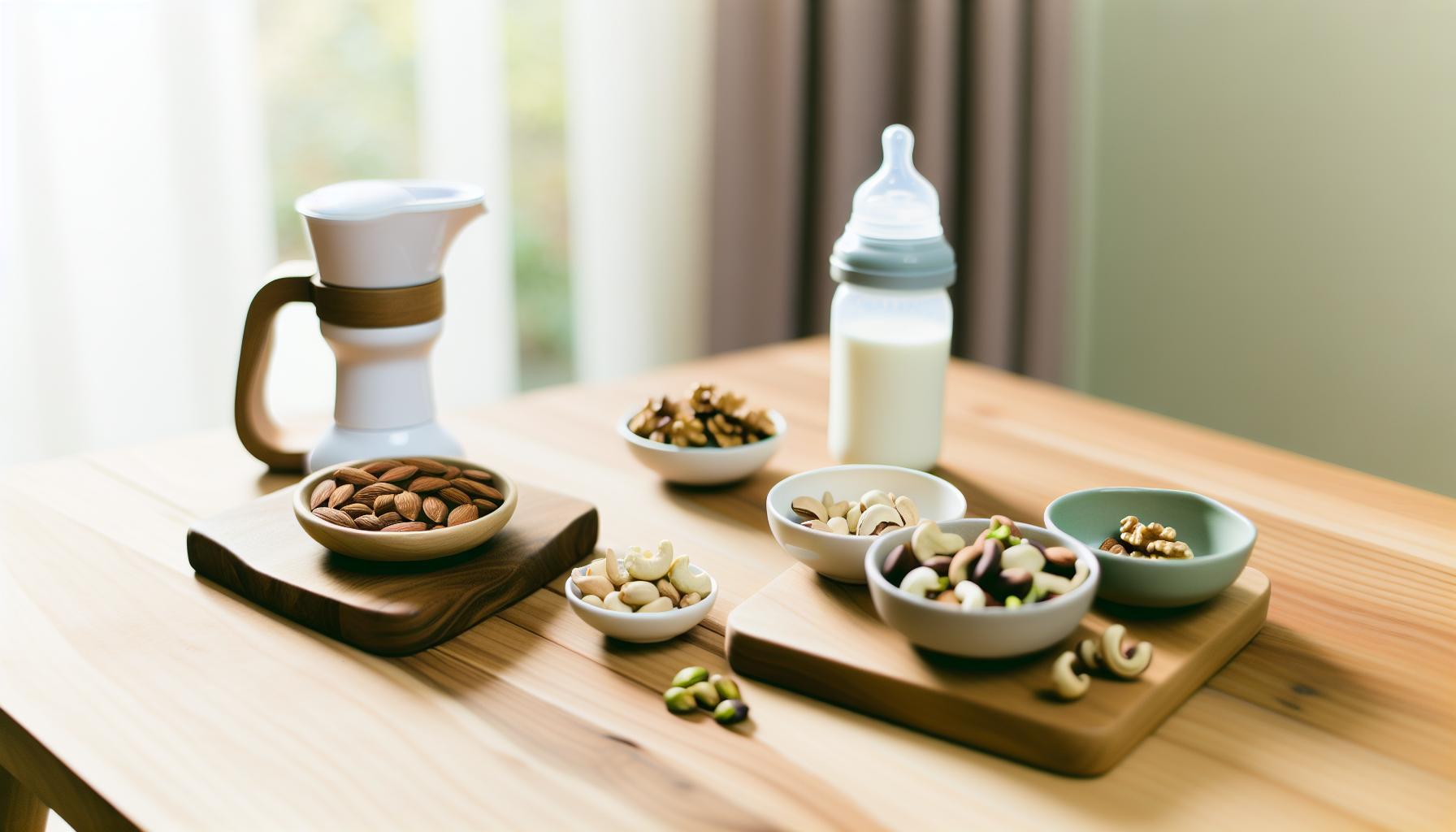
When your body is working overtime to nourish a little one, protein becomes a true postpartum superstar. Nuts aren’t just convenient snacks—they’re packed with protein that supports the delicate process of milk production,tissue repair,and renewed energy. Among the many options, certain nuts shine especially shining for breastfeeding moms aiming to gently boost their milk supply while enjoying satisfying bites.
Almonds are frequently enough championed in lactation conversations, and for good reason. A handful offers about 6 grams of protein along with calcium and magnesium, essential for postpartum bone health and muscle recovery.Their natural oils also help maintain your hydration, which is so important when breastfeeding. Moms report that regularly nibbling on almonds has helped them feel fuller longer and eased the stress of finding snacks that support milk flow.
Walnuts bring a powerful dose of Omega-3 fatty acids in addition to protein (around 4 grams per ounce),playing a dual role of nourishing your body and potentially supporting the quality of your breast milk. These healthy fats contribute to your baby’s brain and eye development and also support your mood and postpartum wellness—as caring for yourself with nutritious fats is a form of quiet but potent self-love.
- Cashews: Delivering about 5 grams of protein per ounce, they’re creamy and mild, lending themselves beautifully to both snacks and homemade lactation treats. Cashews contain iron, which can be helpful if you’re recovering from childbirth blood loss.
- Pistachios: With about 6 grams of protein per ounce and a slightly sweet flavor, pistachios are perfect for those sweet-tooth moments without added sugar. Plus, they’re rich in antioxidants that support overall health during the demanding postpartum season.
- Peanuts: Technically legumes but nutritionally similar, peanuts also offer about 7 grams of protein per ounce, making them an economical, available option for many moms. Their vitamin B6 content plays a role in energy metabolism and mood regulation.
Simple Ideas to Incorporate Protein-Rich Nuts into Your Day
You don’t have to overthink it—try sprinkling chopped nuts over morning oatmeal or a fresh fruit salad. Blend a spoonful of nut butter into a smoothie with banana and spinach for a nourishing lactation boost. For a swift grab-and-go snack, keep an energy bite mix made from almonds, cashews, dates, and a touch of coconut oil in the fridge.
| Nut | Protein per 1 oz (28g) | Key Nutrients | Taste & Texture |
|---|---|---|---|
| Almonds | 6 g | Calcium, Magnesium, Vitamin E | Crunchy, mildly sweet |
| Walnuts | 4 g | Omega-3, Antioxidants | Soft, slightly bitter |
| Cashews | 5 g | Iron, Magnesium | Creamy, rich |
| Pistachios | 6 g | Vitamin B6, Antioxidants | Sweet, crunchy |
| Peanuts | 7 g | Vitamin B6, Folate | Earthy, crunchy |
Remember, every mother’s body is unique. some may find that a small handful of these nuts daily supports lactation and energy, while others might choose to vary types and amounts based on taste, tolerance, and cultural preferences. Keeping a simple nut journal can help you notice what feels best—whether it’s boosted milk supply, increased energy, or just a happy moment of nourishment during a busy day.As always,if you have nut allergies or digestive concerns,talk to your healthcare provider before making them a regular part of your routine.
How to Safely Introduce Nuts During postpartum

Introducing nuts into your postpartum diet can be a nourishing,empowering step—a gentle way to boost your energy and support milk production. However, it’s important to approach this thoughtfully, especially if you’re navigating new sensitivities or concerns about allergies for your baby.Starting slowly with small amounts allows your body time to adjust, while giving you the confidence to observe how both you and your little one respond.
Begin with familiar nuts that have a mild allergy risk profile, such as almonds or cashews, and enjoy them in simple forms—like a small handful or blended into oatmeal or smoothies. Monitor not only your own digestion and energy levels but also any changes in your baby’s behavior, such as fussiness or possible signs of discomfort, which can sometimes be linked to dietary choices through breast milk. Keeping a nut journal can help you track which nuts feel best and when to increase servings gently.
- Start small: Introduce about 1 tablespoon of chopped nuts or 1 teaspoon of nut butter once daily.
- Watch for reactions: Note changes in your baby’s digestion,skin,or sleep patterns over the following 48 hours.
- Increase gradually: If no adverse effects arise, slowly raise your intake over a few weeks to around a handful (1 ounce) daily.
Tips for Safe and Enjoyable Nut Integration
- Choose whole or minimally processed nuts over highly salted or sugared options, to maximize nutrient benefit and avoid extra additives.
- Combine nuts with hydrating foods —such as fresh fruit or leafy greens—to support digestion and hydration, key for lactation.
- If allergies run in your family, consider consulting your healthcare provider before incorporating nuts regularly, especially peanuts, which some families watch more closely.
- Opt for freshly ground nut butters or homemade nut snacks when possible, which minimize preservatives and added oils that might irritate sensitive stomachs postpartum.
Remember, your postpartum body is unique, tender, and evolving. There’s no rush or perfect formula—allow yourself the space to explore these nutritious snacks with kindness and patience. When in doubt, connecting with a lactation consultant or nutritionist who honors your birth story and cultural background can offer personalized guidance, helping you build a nourishing postpartum routine that feels right for you and your baby.
Creative Nut-Based Snack Recipes for Busy Moms
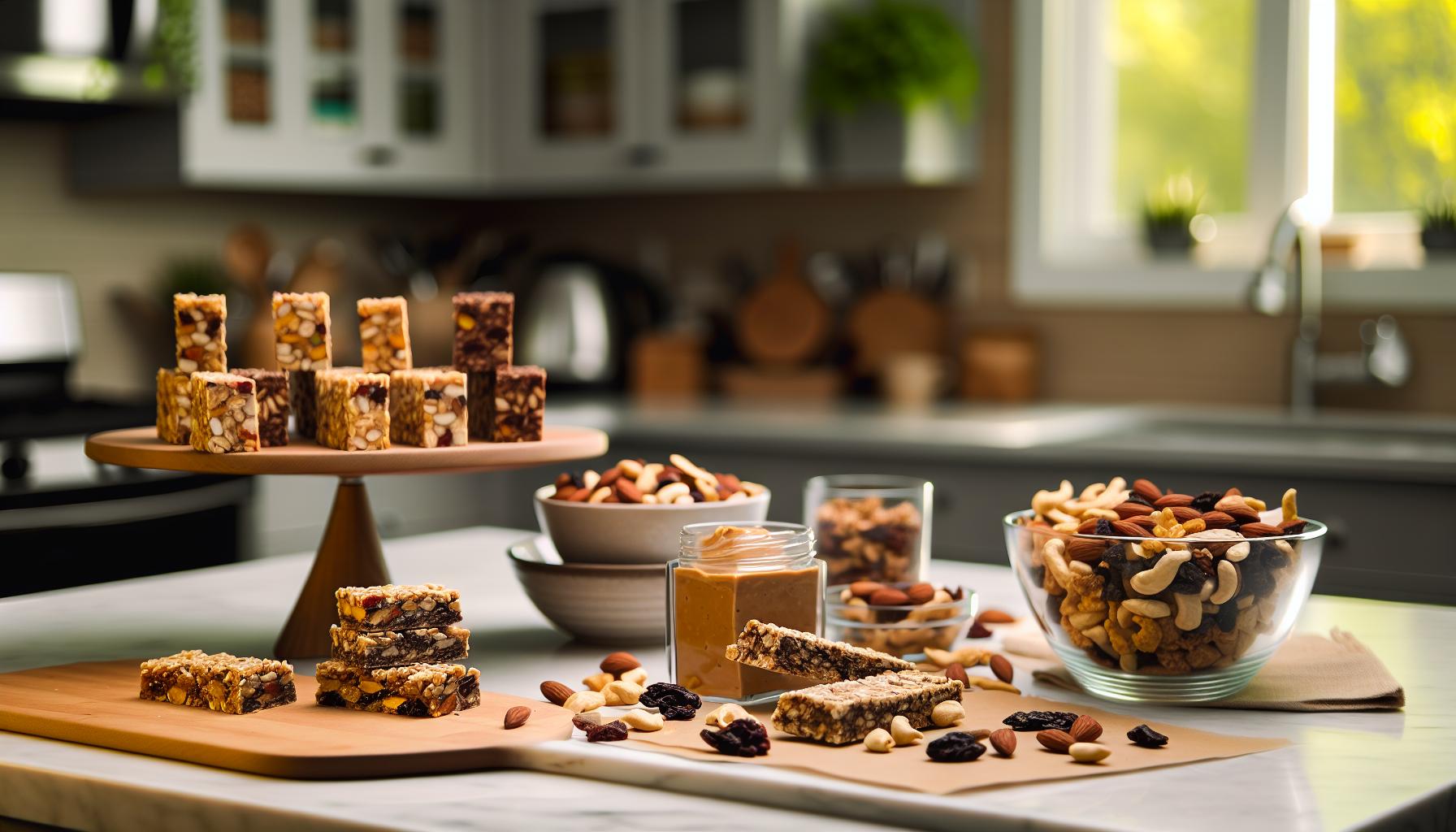
Nuts are nature’s powerhouse snacks,offering busy breastfeeding moms a convenient way to nourish their bodies and support milk production. Their dense combination of protein,healthy fats,vitamins,and minerals helps sustain energy during the unpredictable rhythms of new motherhood. With just a little readiness, nuts can transform from a simple snack to a comforting, nutrient-packed bite that fits seamlessly into a hectic day. Creative snack ideas that balance taste, ease, and nutrition can empower moms to care for themselves without feeling burdened by complicated recipes or hard-to-find ingredients.
Simple Nut Energy Bites
These no-bake energy bites blend wholesome nuts with natural sweetness and a touch of spice. They’re easy to make in advance and perfect for slipping into a diaper bag or nursing corner.
- Ingredients: 1 cup raw almonds or cashews (finely chopped or ground),1 cup pitted Medjool dates,1 tablespoon chia seeds,1 teaspoon cinnamon,1 tablespoon almond butter (optional)
- Preparation: Pulse the nuts and dates in a food processor until the mixture sticks together. add chia seeds, cinnamon, and almond butter—blend briefly. Roll into 1-inch balls and refrigerate.
- Benefits: Rich in protein and fiber, these bites provide lasting energy and gentle nutrients for milk production. The chia seeds add omega-3 fats, supporting both mom and baby’s brain health.
Nutty Oatmeal Bars for Grab-and-Go Fuel
Oatmeal bars are a comforting choice treasured in many cultures to enhance lactation. By incorporating nuts, these bars balance carbohydrates with protein and fat for stable energy and milk quality.
- Ingredients: 2 cups rolled oats, 1/2 cup chopped walnuts or mixed nuts, 1/3 cup honey or maple syrup, 1/3 cup unsweetened applesauce, 1 teaspoon vanilla extract, pinch of salt
- Preparation: Mix all ingredients until combined. Press into a lined baking dish and bake at 350°F (175°C) for 20-25 minutes. Cool thoroughly before slicing.
- Serving tip: Store bars in an airtight container for up to five days—perfect for quick energy between feedings or on-the-go outings.
DIY Nut Butter Spread
Making your own nut butter can be deeply satisfying and allows you to control added oils and salt—important considerations postpartum. Furthermore, fresh nut butter blends seamlessly into many snacks or meals.
- ingredients: 2 cups raw or roasted almonds or cashews (unsalted)
- Preparation: In a high-powered blender or food processor, pulse nuts until they break down into a creamy butter; this takes about 5 to 10 minutes. Scrape sides as needed for even texture.
- Usage ideas: Spread on whole grain toast, stirred into warm oatmeal, or stirred into smoothies for a protein and fat boost.
- Safety note: Start with small servings (1 teaspoon) daily, monitoring baby’s reaction to ensure no sensitivities.
Each of these recipes respects the fluctuating energy and emotional needs of postpartum life. They are gentle reminders that self-care can be simple, delicious, and culturally respectful, fitting the unique rhythms of motherhood. Experimenting with nuts in this way not only nourishes your body but can bring moments of mindful joy amid the beautiful chaos.
| Snack | Protein (per serving) | Preparation Time | Storage |
|---|---|---|---|
| Energizing Nut Bites | 5-6 grams | 15 minutes | Refrigerate up to 1 week |
| Nutty Oatmeal Bars | 4 grams | 30 minutes | Room temp up to 5 days |
| DIY Nut Butter | 7 grams (per 2 tbsp) | 10 minutes | Refrigerate up to 2 weeks |
Allergy Awareness and Nut Safety Tips for Babies

Many new moms wonder about the safety of nuts while breastfeeding—not just for themselves but for their babies, too. While nuts are nutrient-dense powerhouses that support milk quality and maternal energy, it’s natural to approach them cautiously, especially given concerns about allergies. The good news is that eating nuts during lactation is generally safe and may even help reduce allergy risks for some infants, but understanding how to introduce these foods thoughtfully can ease worries and build confidence.
When you’re ready to introduce nuts directly into your baby’s diet—usually around 6 months old when solid foods begin—it’s critically important to consider allergy awareness and nut safety carefully. Whole nuts should never be given to babies due to choking risks. Instead, finely ground nuts or smooth nut butters spread thinly are safer first options. Offering a small taste and watching for any signs of allergic reaction over the next 24 to 48 hours allows time to notice symptoms such as rash, swelling, vomiting, or difficulty breathing. If your family has a history of allergies or eczema, it’s wise to discuss introduction timing with your pediatrician to tailor a plan that feels right for you and your little one.
Practical Tips for Introducing Nuts Safely
- Start slow and simple: Begin with 1/4 to 1/2 teaspoon of smooth nut butter mixed into purees or breast milk to make it palatable and safe.
- Choose single-nut products: Many mixed nut butters contain multiple nut types and added ingredients; single-nut options (like almond or peanut butter) minimize unknown allergens.
- Observe carefully: Keep a daily food log to track what baby tries and any reactions,even mild ones,and seek medical advice as needed.
- Keep nuts out of reach: While breastfeeding and handling nuts, avoid giving babies whole nuts nearby to reduce choking hazards.
- Consult healthcare providers: For early solid feeders or babies with eczema or prior allergies, professional guidance ensures safety with diverse diets.
Signs of allergic Reactions to Watch For
Knowing what to look out for can help you respond quickly and calmly. Some common signs include:
- Skin reactions: redness, hives, or swelling around the mouth or face
- Digestive upset: vomiting, diarrhea, or excessive gas shortly after ingestion
- Respiratory symptoms: wheezing, coughing, or difficulty breathing (seek emergency care immediately)
- Behavioral changes: irritability or lethargy that can signal discomfort
Many mothers report positive experiences introducing nuts gradually, building their baby’s tolerance while feeling empowered by providing nourishing, flavorful foods. One mom shared, “We started with almond butter stirred into baby’s oatmeal; watching her enjoy it without any fuss was such a relief.” Remember, sensitivity varies widely—what works beautifully for one family might require patient adjustments in another.
By embracing a gentle, informed approach rooted in love and mindfulness, new moms can safely include these protein-packed superfoods in their postpartum journey—feeding both their bodies and their babies with care.
Balancing Nut Intake with Other Postpartum Nutrients

Nuts offer a fantastic source of nourishment for breastfeeding moms, rich in protein, healthy fats, vitamins, and minerals. But integrating nuts thoughtfully into a postpartum diet is key to maintaining balanced nutrition since breastfeeding truly “fuels” two bodies at once. While nuts provide essential building blocks to help sustain energy and support milk production,pairing them with other nutrient-dense foods ensures your body receives a full spectrum of nourishment to aid recovery,hormone balance,and emotional wellbeing.
Think of your meal planning after birth as a nourishing mosaic. Protein-packed nuts like almonds, walnuts, and cashews complement other postpartum essentials such as leafy greens, whole grains, fruits, and quality proteins (like eggs, lentils, or lean meats if you eat them). Combining these elements throughout the day supports stable blood sugar, sustained energy, and optimal milk quality.For example, a handful of walnuts paired with an iron-rich spinach salad or a nut butter spread on whole-grain toast alongside vitamin C-packed berries can enhance nutrient absorption and offer comforting, easy-to-prepare meals during busy days with baby.
Practical Tips to Harmonize Nut Intake with Other Nutrients
- Mix and match: Aim to include nuts as part of balanced snacks or meals, not as a standalone source.Think smoothies that blend nuts with leafy greens and fruit, or nut butter swirled into Greek yogurt with fresh fruit on the side.
- Listen to your body: Postpartum can bring digestive changes—if nuts feel heavy, try grounding them finely or soaking overnight to improve digestibility, as done in some traditional diets.
- Keep variety in focus: Rotating different nuts and other protein sources prevents nutrient gaps and keeps your palate energized during hectic days.
Sample Balanced midday Snack
| Ingredients | Benefits |
|---|---|
| 2 tablespoons almond butter | Protein, Vitamin E, Healthy fats |
| 1 small apple (sliced) | Fiber, Vitamin C |
| 1 ounce whole-grain crackers | Complex carbs, B vitamins |
Combine these as a quick, nurturing snack that supports both maternal energy and milk quality without overwhelming digestion. Even small, mindful meals like this can foster steady nourishment during demanding postpartum rhythms.
Remember, nourishment after birth isn’t about strict rules but gentle tuning into what feels right for your body and life. Balancing nuts with other postpartum power foods can help sustain your health and lactation journey,leaving space for comfort,creativity,and joy amid the beautiful complexity of new motherhood.
The Role of Healthy Fats in Breast milk Quality
Breast milk is a remarkable, dynamic fluid that nourishes your baby in the most complete way. One of the unsung heroes in this nourishment is the healthy fat content, which plays an essential role not just in providing energy but also in supporting your baby’s brain development, immune system, and overall growth. Healthy fats, especially the types found abundantly in nuts, contribute to the richness and quality of your milk in ways that are both scientifically proven and deeply traditional.When you include nuts such as walnuts, almonds, and pecans in your postpartum diet, you’re introducing a valuable source of polyunsaturated and monounsaturated fats—these are the “good fats” that help promote optimal fatty acid profiles within breast milk. For instance,walnuts are rich in omega-3 fatty acids,which are critical for your baby’s cognitive development. These fats also balance hormone production in your body and support your own postpartum healing, mood, and energy. Remember, nurturing your milk quality through healthy fats isn’t about adding calories aimlessly—it’s about intentional nourishment that supports two lives gracefully and sustainably.
Tips for Incorporating Healthy Fats from Nuts
- Start Small, Go Slow: Begin with a handful of nuts or a tablespoon of nut butter daily to see how your body and digestion respond. This gentle way honors your postpartum sensitivity.
- Mix Fat Sources Thoughtfully: Combine nuts with vitamin C-rich fruits like berries or oranges to boost fat absorption and antioxidant protection for both you and baby.
- Opt for Raw or Lightly Toasted: Raw or lightly toasted nuts preserve their healthy fats better than heavily roasted or salted versions.
- Blend into lactation smoothies: Adding a spoonful of flaxseed, walnuts, or almond butter into smoothies creates a creamy texture and locks in those nourishing fats in a form that’s easy to digest.
Here’s a simple nutrient-dense snack idea to gently boost your milk’s fat profile while satisfying hunger:
| Ingredient | Benefit |
|---|---|
| 1 tablespoon walnut butter | rich in omega-3s and healthy fats for brain and immune support |
| 1/2 cup Greek yogurt | Protein and probiotics—support digestion and milk production |
| 1/4 cup fresh blueberries | Vitamin C and antioxidants to support maternal healing |
Blend these ingredients into a creamy snack that supports your body’s needs and helps keep your milk rich and satisfying. Every mother’s experience with nursing is unique, so listen gently to your body and tweak your fat intake according to your comfort and energy levels.
Nuts and Digestion: Easing Postpartum Sensitivities
New mothers often encounter digestive shifts that are as unique as their breastfeeding journeys. Introducing nuts gradually can support digestion without overwhelming a sensitive postpartum system. Nuts are packed with fiber, healthy fats, and protein, which nourish both mother and baby, but their rich nature means they might cause mild bloating or gas if eaten in large amounts too soon.Approaching nut intake gently helps honor the healing digestive tract and hormonal changes your body is navigating after birth.
Many moms find success starting with softer nut forms like smooth almond butter or finely ground walnuts that blend easily into foods or drinks. This gentle texture supports easier digestion compared to whole nuts initially. Hydrating well alongside nut consumption aids fiber movement through the digestive system, reducing discomfort. Combining your nut snacks with probiotic-rich foods such as yogurt or fermented vegetables can further nurture gut health, supporting digestion and immunity during this delicate postpartum phase.
Practical Tips for Easing Digestion with Nuts
- Start With Small Servings: Try 1 tablespoon of nut butter or a small handful of soaked nuts daily to observe how you feel before increasing the amount.
- Soak or Roast Lightly: soaking nuts overnight or lightly roasting them can reduce phytic acid and enzyme inhibitors, making nuts gentler on your digestion.
- pair With digestive Helpers: Include vitamin C-rich fruits or ginger in your nut-based snacks or teas to complement digestion and reduce bloating.
- Chew Thoroughly: Mindful eating, with ample chewing, starts digestion off strong and eases the burden on your gut.
For a soothing postpartum snack that supports digestion, try this simple blend:
| Ingredient | Benefit |
|---|---|
| 2 tablespoons soaked almond butter | Offers protein and healthy fats in a smooth, easy-to-digest form |
| 1 small ripe banana | Naturally gentle on digestion, adds sweetness and potassium |
| 1 teaspoon fresh grated ginger | Supports digestion and reduces nausea or bloating |
| 1/2 cup water or herbal tea (like chamomile) | Keeps you hydrated and soothes the digestive tract |
Blend until creamy and sip slowly, feeling how your body responds. Remember, postpartum digestion can fluctuate day-to-day, and what works well one week may need adjusting the next. This patient, loving experimentation with foods like nuts honors your body’s transformative journey, supporting comfort and nourishment for both you and your baby.
Incorporating Nuts in Lactation Smoothies and Teas
Few postpartum rituals are as soothing and nourishing as sipping a creamy smoothie or warming up with a gentle nut-infused tea—both can offer a delicious way to boost energy,support milk production,and care tenderly for your healing body. Nuts are natural powerhouses of protein, healthy fats, and essential nutrients that many breastfeeding moms crave. when blended into drinks, they become easy-to-digest bites of nourishment, perfect for busy days when solid snacks may feel overwhelming.
Using nut butters like almond, cashew, or walnut as a base adds smooth richness without bulky chewing, while mixing in lactation-supportive herbs such as fennel, fenugreek, or ginger can enhance milk supply and soothe digestion. Plus, nuts provide sustained energy to help carry you gently through unpredictable hormonal waves and nighttime feedings. For moms easing into postpartum recovery, this blendability offers a kinder way to introduce nuts gradually, reducing digestive discomfort frequently enough associated with whole nut consumption.
Simple Lactation Smoothie Recipe to Try Today
| Ingredient | Benefit |
|---|---|
| 2 tablespoons almond butter (soaked overnight for digestion) | Rich in protein and healthy fats, easy on the gut |
| 1/2 cup cooked oats or quinoa | Complex carbs for energy and milk support |
| 1 cup unsweetened almond milk or herbal tea (fennel or chamomile) | hydrating base with calming and lactation properties |
| 1 teaspoon freshly grated ginger | Supports digestion, reduces bloating |
| 1 tablespoon ground flaxseed | Omega-3s for baby’s brain development |
| 1 small frozen banana or handful of berries | Natural sweetness and antioxidants |
Blend all ingredients until silky-smooth, then sip mindfully. This smoothie warms the body and calms the spirit,offering a small ritual of self-care during bustling days.
Crafting Nut-Infused Teas for Gentle Nourishment
Another lovely approach is to craft nut-infused teas. by steeping nuts such as almonds or hazelnuts in hot water, you can extract subtle flavors and nutrients without the heaviness of solid nuts. Combine with postpartum-safe herbs like red raspberry leaf or oat straw to support uterine healing and lactation. For example:
- almond & Ginger Tea: Simmer a handful of blanched almonds and fresh ginger slices in water for 10 minutes. Strain and sip warm to ease digestion and nourish lactation.
- Hazelnut & Fennel Blend: Steep crushed hazelnuts with fennel seeds and a cinnamon stick. This combo promotes milk flow and relaxes the digestive tract.
Remember to always consult your healthcare provider before introducing new herbs, especially if you have allergies or health conditions. Each body reacts differently, so honor what feels nurturing and safe for you.
By embracing these simple,adaptable nut-based drinks,you invite both physical nourishment and mindful moments into your postpartum rhythm—gentle care in a cup that honors your journey.
Real Mom Stories: nuts That Helped My Breastfeeding Journey
Nuts have been a quiet but powerful companion for many breastfeeding moms navigating the early postpartum weeks. One mom shared how incorporating roasted almonds into her daily snack routine notably helped her sustain energy during middle-of-the-night feedings.She found that the protein and healthy fats from almonds not only curbed her hunger but seemed to gently support her milk supply when paired with adequate hydration. This reminded her to listen carefully to her body’s cues,honoring that nourishment doesn’t have to be complicated—simple,wholesome snacks like these offered real comfort and strength.
Another breastfeeding mother found that blending cashew butter into her morning oatmeal created a creamy, satisfying start to her day that was easy on her sensitive digestion. adding a pinch of cinnamon and a teaspoon of ground flaxseed further boosted the lactation benefits while providing essential omega-3s for her baby’s brain development. She emphasized the importance of introducing nuts gradually, especially if whole nuts felt too heavy, and recommended soaking them overnight when possible to aid digestion and reduce any discomfort.This gentle approach helped her avoid overwhelm and foster a calm, nurturing postpartum rhythm.
Real Tips from Moms Who found Success with Nuts
- Start Small and Soak: Soaking nuts overnight or using nut butters can ease digestion and prevent tummy upset.
- Pair Nuts with hydration: Eating nuts alongside plenty of fluids supports milk production and overall energy.
- Mix Nuts into Familiar Foods: Incorporate ground nuts or nut butters into oatmeal, smoothies, or teas to make them easier to consume during busy days.
- Listen to Your Body: What works for one might not work for another—adjust intake based on your comfort and baby’s cues.
Each journey is unique, and these experiences reflect both the joys and challenges of postpartum healing. To help you begin, here is a simple recipe inspired by real moms who embraced nuts as part of their breastfeeding self-care:
| Ingredient | Preparation & Benefit |
|---|---|
| 1 tablespoon cashew butter | Provides protein and healthy fats, creamy texture supports easy digestion |
| 1/2 cup cooked oatmeal | Complex carbs for sustained energy and milk production |
| 1 teaspoon ground flaxseed | Rich in omega-3s to support baby’s brain |
| 1/4 teaspoon cinnamon | Flavor and mild lactation support |
| 1/2 cup almond milk or herbal tea (fennel or chamomile) | Hydrating base that calms digestion and promotes milk flow |
Mix all ingredients and enjoy warm or chilled. This nourishing dish reflects the gentle yet potent support nuts can offer to your breastfeeding journey—celebrating self-care with each bite. Remember,patience and kindness to yourself are as vital as the foods you choose to nourish you and your baby.
Cultural Traditions and Nuts for nursing Mothers
Across the world, nuts have long been cherished in postpartum traditions as nourishing gifts that support new mothers during the delicate breastfeeding phase. In many cultures,nuts symbolize vitality and strength—qualities that are especially meaningful for nursing moms recovering their energy while nurturing their babies. For example, in Indian Ayurveda, almonds soaked overnight are a popular snack believed to enhance milk production and calm the nervous system. Similarly,Middle Eastern practices often highlight pistachios and walnuts,not just for their rich flavors but as sources of essential fats that promote healing and graceful lactation. These cultural customs gently remind us how the simple act of eating can become a ritual of care, comfort, and connection.
Embracing these traditions while honoring your unique journey means finding what resonates with you and respecting your body’s signals. It’s okay to adapt recipes or try different types of nuts according to your digestion and milk supply needs. In some Latin American communities, mothers enjoy nut-infused herbal teas or broths incorporating local ingredients like pecans or cashews combined with calming herbs—providing both hydration and balanced nourishment. Remember, the intention behind these practices is to foster wellness with foods that offer protein, healthy fats, and minerals essential to postpartum recovery. If you’re curious to try a traditional nut-based postpartum snack, starting with a small portion and soaking nuts overnight can ease digestion and help you feel more grounded during busy nursing days.
Simple Nut-Based Nourishment Inspired by Tradition
- Soaked Almond Snack: Soak 10–12 raw almonds overnight to soften. In the morning, peel the skins off for gentle digestion and enjoy with a drizzle of honey for sustained energy.
- Walnut and Date smoothie: Blend a small handful of soaked walnuts with 2–3 dates, a cup of warm milk (dairy or plant-based), and a pinch of cinnamon. This blend supports milk quality with omega-3s and iron.
- Cashew-Herbal Tea: Infuse hot water with crushed cashews, fennel seeds, and a cinnamon stick for 10 minutes. Sip slowly to combine hydration, digestion support, and comforting warmth.
Incorporating cultural wisdom into your postpartum routine can feel like joining a larger community of nurturing mothers across time and place. These cherished nut traditions celebrate the sacred balance of healing your body and feeding your baby with love. Trust your instincts, adapt these ideas to what feels right, and enjoy how such small, mindful moments can provide strength in your breastfeeding journey.
When to Avoid Nuts: Medical Insights and Considerations
Nuts are frequently enough celebrated for their nourishing qualities,but like all foods,they aren’t always an ideal choice for every breastfeeding mom at every moment. While most mothers can enjoy nuts safely, there are important situations where it’s wise to hold off or proceed with caution. Paying attention to your body’s signals and understanding potential medical considerations can help you navigate postpartum nutrition with confidence and compassion.
One key concern involves allergies. If you or your immediate family have a history of nut allergies, introducing nuts into your diet requires patience and possibly guidance from your healthcare provider or allergist. For some babies,proteins from nuts consumed by the mother may pass through breast milk and trigger sensitivity or allergic reactions such as rash,fussiness,or digestive upset. in these cases, temporarily removing nuts from your diet and monitoring your baby’s response can be essential. Gradual re-introduction under medical supervision can help clarify tolerance. Remember, this is not a reflection on your parenting but a common, manageable challenge many breastfeeding families face.
Additionally, certain postpartum conditions might call for caution with nuts.For example, if you’re experiencing digestive sensitivities like bloating, gas, or irritable bowel, whole nuts might feel too heavy initially. In such cases,starting with soaked or blended nuts in smoothies can ease digestion. Also, if you have a known sensitivity to salicylates found in some nuts (like almonds), or if you’re on medications that interact with high levels of potassium or phosphorus from nuts, you should check with your healthcare provider.Lastly, women recovering from severe perineal trauma or digestive surgery might need to avoid harder-to-digest nuts until healing progresses comfortably.
Gentle steps for Safe nut Enjoyment
- Start Small: Introduce a small handful of well-soaked or finely ground nuts first. Wait 2–3 days to observe any baby or maternal reactions.
- Keep a Food Journal: Note what you eat and any changes in your baby’s behavior or digestion to help identify patterns.
- Communicate with Professionals: Don’t hesitate to talk with your lactation consultant, midwife, or doctor if you notice concerns or want personalized advice.
Your postpartum nutritional journey is uniquely yours. While nuts provide protein, healthy fats, and minerals essential for recovery and lactation, honoring your body’s healing pace and your baby’s needs creates the best foundation for a joyful, empowered breastfeeding experience. If ever in doubt, choosing safety and self-care first is a beautiful way to nurture both yourself and your little one.
Frequently asked questions
Q: How do different types of nuts affect breast milk flavor and baby acceptance?
A: Different nuts like almonds, walnuts, and hazelnuts can subtly influence breast milk flavor due to their oils and aromas. Most babies adjust easily, but if you notice fussiness, try varying nut types or reducing intake. Explore more on how nuts shape milk quality in the article’s section on healthy fats and breast milk for gentle feeding tips.
Q: When is the best time postpartum to start eating nuts for breastfeeding benefits?
A: The best time to introduce nuts postpartum is usually after your baby is one month old and your milk supply is established. Begin with small amounts to monitor tolerance. For detailed timing and safe introduction steps, check the section on how to safely introduce nuts during postpartum.
Q: Can nut proteins cause sensitivities in breastfeeding babies, and how can moms prevent it?
A: Yes, some babies may react to nut proteins through breastmilk, causing mild sensitivities like rashes or fussiness.Moms can prevent this by starting with small nut servings, observing baby’s reactions, and consulting a pediatrician.For allergy safety tips, refer to allergy awareness and nut safety in the main article.
Q: What are the best nut-based snacks for on-the-go breastfeeding moms needing quick protein?
A: Nut bars, trail mixes with dried fruit and seeds, or nut butter packets are excellent portable snacks rich in protein and healthy fats. These snacks support energy and milk production. Discover easy recipes in our creative nut-based snack recipes for busy moms section for quick, nourishing ideas.
Q: How do nut fats compare to other fat sources for enhancing breast milk nutrition?
A: Nut fats provide healthy unsaturated fats, vitamin E, and antioxidants, which support breast milk quality better than many saturated fats. Including nuts alongside sources like avocados and olive oil creates a balanced fat profile for nourishing your baby. Learn more under the role of healthy fats in breast milk quality.
Q: Why might some breastfeeding moms feel digestive discomfort after eating nuts, and how can they ease it?
A: Some moms experience bloating or gas from nuts due to fiber or natural compounds. Easing discomfort involves soaking nuts, eating in moderation, and combining with digestion-friendly herbs. See our section on nuts and digestion: easing postpartum sensitivities for practical strategies and soothing recipes.
Q: How can breastfeeding moms use nuts to support postpartum recovery beyond milk supply?
A: Nuts provide essential nutrients like zinc, magnesium, and protein that aid tissue repair and energy restoration postpartum. integrate nuts into meals or snacks for a balanced approach that nurtures healing and lactation.Visit balancing nut intake with other postpartum nutrients for holistic self-care tips.
Q: Are there specific nut powders or butters that offer better protein benefits for breastfeeding?
A: Nut butters, especially almond or peanut butter, offer concentrated protein and healthy fats that are easy to digest and versatile for snacks or smoothies. Nut powders can also boost protein intake in lactation recipes—find blending tips in incorporating nuts in lactation smoothies and teas for nourishing feeding ideas.
Explore these insights as gentle, informed steps in your breastfeeding journey. For personalized guidance, always consider talking with a lactation consultant or healthcare provider.
The Conclusion
Nourishing your body with protein-packed nuts during breastfeeding supports both your energy and milk supply, offering a simple, natural boost that fits seamlessly into your busy days. Remember, everyone’s postpartum journey is unique—listen to your body and choose snacks that feel right for you. Ready to explore more wholesome snack ideas and gentle postpartum nutrition? Check out our guides on easy lactation smoothies and nutrient-rich postpartum meals, designed to nurture you through each healing phase.
For personalized tips and trusted recipes tailored to new moms, don’t hesitate to sign up for our newsletter—crafted with warmth, expert insights, and real-mom wisdom. If you’re curious about optimizing your postpartum wellness further,our consultation services and breastfeeding support resources are here whenever you need a caring hand. Join our community below to share your experiences or ask questions—because motherhood blossoms in shared stories and support.
Keep this cozy toolkit of breastfeeding-friendly nuts and snacks close, and revisit often for fresh inspiration on nourishing your journey. With thoughtful care and protein-rich choices, you’re empowering your wellness and your family’s health every step of the way.
Get our latest guides, news, and insights highlighted in your Google Search & AI Overviews.


 JUST 15 MINUTES A DAY