
Best Electrolytes for Breastfeeding: Stay Hydrated
Did you know that staying well-hydrated is one of teh simplest yet most powerful ways to support your body during breastfeeding? As your milk supply grows, so does your fluid and electrolyte needs—those essential minerals like sodium, potassium, and magnesium that help maintain your body’s balance.Without enough electrolytes,dehydration can sneak in,leaving you feeling tired,achy,or even dizzy. This isn’t just about drinking water; it’s about replenishing exactly what your body needs to keep you energized and your milk flowing smoothly. In this guide,we’ll gently explore the best natural electrolyte sources and easy DIY recipes designed especially for nursing moms. Together, we’ll honor your unique postpartum rhythm, blending trusted medical insights with comforting, practical tips that fit your lifestyle. Whether you’re navigating sleepless nights or celebrating those quiet moments with your baby, these nourishing choices are here to support your well-being—because caring for yourself is a crucial part of caring for your little one. Let’s dive into how simple, safe, and appetizing electrolyte-rich drinks can become your postpartum self-care ally.
Contents
- Why Electrolytes Matter for Breastfeeding Moms
- Essential Electrolytes to Support milk production
- Top Natural Electrolyte Sources for Postpartum Hydration
- Easy DIY Electrolyte Drinks and recipes for Nursing Moms
- How to Safely Use Electrolyte Supplements While Breastfeeding
- Signs of Electrolyte imbalance During Breastfeeding
- Timing and Dosage: When to Drink Electrolytes Postpartum
- Balancing Electrolytes with a Breastfeeding Diet
- Holistic Tips for Staying Hydrated Beyond Electrolytes
- Real Mom Stories: Hydration Wins and Challenges
- Common Myths About Electrolytes and Breastfeeding Debunked
- Frequently Asked Questions
- Q: How do electrolytes help with milk supply in breastfeeding moms?
- Q: Can dehydration affect breastfeeding milk quality?
- Q: What are safe homemade electrolyte drinks for nursing moms?
- Q: how often should breastfeeding moms consume electrolytes during the day?
- Q: Are electrolyte supplements necessary for all breastfeeding mothers?
- Q: which foods naturally boost electrolytes for nursing mothers besides drinks?
- Q: Can too much electrolyte intake harm breastfeeding moms or babies?
- Q: How can I recognize if I need more electrolytes while breastfeeding?
- In Retrospect
Why Electrolytes Matter for Breastfeeding Moms
Few moments in motherhood demand as much gentle attention as those early days and weeks of breastfeeding. While nourishing a baby with milk, a mother’s body is also quietly balancing it’s own intricate chemistry. Electrolytes—minerals like sodium, potassium, calcium, and magnesium—are key players in this process. They carry vital electric charges that help regulate fluid levels, nerve signals, and muscle contractions, all of which influence not only overall hydration but also how well milk flows from the breast to baby.
When you breastfeed, your body works overtime to produce milk, which requires staying well-hydrated and maintaining electrolyte balance.Losing fluids through milk production and sweating (from hormonal shifts or sheer physical effort) can quickly alter your electrolyte levels. This imbalance might manifest as fatigue, muscle cramps, or headaches—uncomfortable symptoms that can make postpartum adjustment even harder. Keeping these essential minerals replenished supports your energy, mood, and the delicate neuro-muscular functions involved in breastfeeding, such as the let-down reflex.
Why Electrolytes Are gentle Care, Not Pressure
Remember that every mom’s postpartum journey is unique. Some may naturally sweat more during nursing,or have different nutritional needs depending on their birth experience or cultural practices. Rather than seeing electrolytes as a strict “must,” think of them as a nurturing aid—a way to softly support your body’s healing and milk-making rhythms. For example,sipping a warm,homemade electrolyte tea between feedings or enjoying fresh fruit rich in potassium can feel like a small but meaningful act of self-compassion. This mindful approach honors your body’s needs and helps build a rhythm that supports not just milk production, but your overall postpartum wellness.
- Electrolytes regulate fluid balance: Keeping you hydrated so your milk maintains the right consistency and volume.
- Support nerve and muscle function: Helping ease breastfeeding-related cramps or tension and promoting a comfortable nursing experience.
- Assist pH balance: Supporting immunity and overall body comfort during postpartum hormonal shifts.
balancing electrolytes thoughtfully is a stunning way to listen to your body’s subtle cues during this transformative time. It’s not about rushing or perfect routines—it’s about gentle, reliable support to nourish both you and your baby.

Essential Electrolytes to Support milk production
Milk production is a wonderful dance of hormones, hydration, and nutrients—and at the heart of this process lie vital electrolytes that gently hold everything together. These minerals—primarily sodium, potassium, calcium, and magnesium—play a key role in helping your body move fluids efficiently and support the muscle contractions that trigger milk let-down. When your electrolyte levels are balanced, your body can more easily maintain the delicate fluid consistency in your milk, ensuring that baby receives all the nourishing goodness and hydration they need.During breastfeeding, your body loses fluids not just through milk production but also from sweat and natural postpartum shifts. Sodium and potassium work hand-in-hand to regulate this fluid balance, preventing dehydration that can slow milk flow or cause fatigue. Meanwhile, calcium quietly supports healthy nerve signaling and muscle function, which is crucial for comfortable nursing and avoiding tension around your chest and shoulders. Magnesium rounds out this team by warding off those unwelcome postpartum muscle cramps and easing any nervous system stress,helping you stay calm and present in those intimate feeding moments.
How These Electrolytes Work Together
- Sodium: Maintains fluid balance inside and outside cells,keeping milk volume steady.
- Potassium: Regulates heart and muscle contractions including the smooth muscles in milk ducts.
- Calcium: Supports the nerve signals that cause milk ejection (let-down reflex).
- Magnesium: Relaxes muscles and promotes calmness, easing postpartum discomfort.
Each mother’s body is unique, and electrolyte needs can vary depending on hydration levels, activity, and even diet.Listening to your body’s subtle cues—like thirst, fatigue, or mild cramping—is a loving way to tune into when your mineral reserves might need some extra TLC. A balanced, nutrient-rich diet combined with gentle hydration strategies can gently encourage milk production and support your wellbeing—without pressure or complex routines.
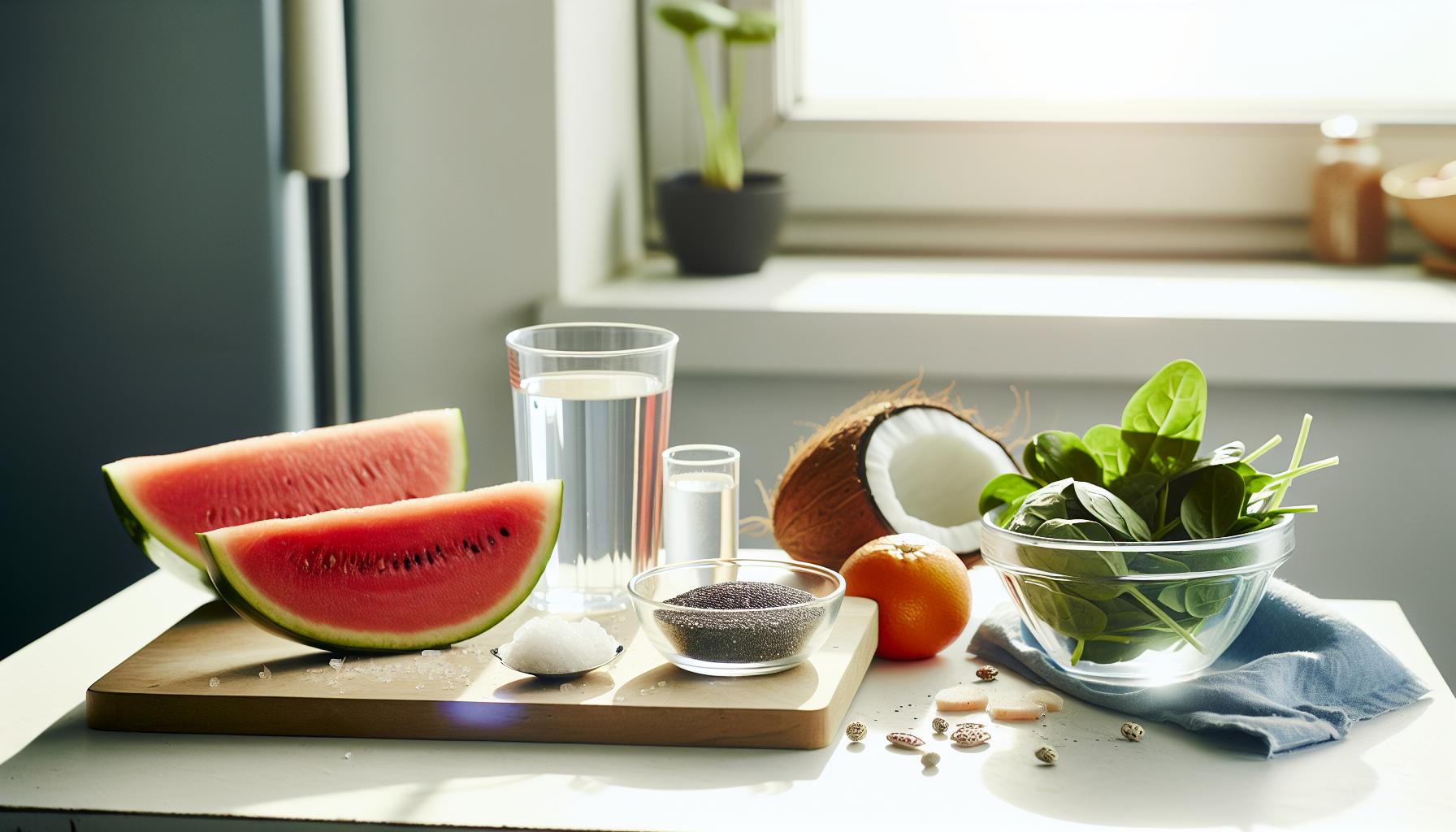
Top Natural Electrolyte Sources for Postpartum Hydration
Breastfeeding naturally increases your body’s fluid needs,making it essential to reach for electrolyte-rich foods and drinks that gently replenish what’s lost and support your milk production journey. Rather than turning to processed sports drinks, many moms find comfort and nourishment in whole, natural sources that offer a nurturing blend of electrolytes alongside vitamins, minerals, and antioxidants. These simple, real foods can be seamlessly woven into your day, honoring your body’s rhythm as it heals and nourishes your baby.
- Coconut Water: Often called “nature’s sports drink,” coconut water is a refreshing, low-calorie source of potassium, sodium, and magnesium. It hydrates quickly and can be enjoyed plain or mixed with a splash of fresh lime for a gentle postpartum pick-me-up.
- Leafy Greens: Spinach, kale, and swiss chard are packed with calcium and magnesium. Adding a handful to smoothies or soups nourishes your body deeply while supporting muscle relaxation and milk let-down.
- Bananas: Rich in potassium, bananas are a quick, easy snack to fight fatigue and prevent muscle cramps common in postpartum healing.
- Yogurt and Kefir: These probiotic-rich dairy options add calcium and magnesium while promoting gut health — a crucial part of postpartum recovery.
- Avocados: Creamy and full of potassium and magnesium, they make a satisfying addition to toast or salad, fueling your energy and hydration needs naturally.
- Homemade Bone Broth: Simmered slowly, it’s a gentle way to restore sodium, calcium, and magnesium. Plus, it offers collagen and amino acids that support tissue healing after birth.
- Herbal Teas with a Mineral Boost: Nettle or red raspberry leaf teas, beloved in many customary postpartum rituals, provide trace minerals and support overall wellness when sipped mindfully throughout the day.
Simple Recipe: Hydrating Electrolyte Smoothie for Nursing Moms
| Ingredients | Benefits |
|---|---|
| 1 cup coconut water | Potassium, magnesium, natural hydration |
| 1 ripe banana | Potassium, energy boost |
| 1/2 cup spinach | Calcium, magnesium |
| 1/4 avocado | Magnesium, healthy fats |
| 1/2 cup plain yogurt or kefir | Calcium, probiotics |
| Optional: 1 tsp raw honey | Natural sweetness, soothing |
Preparation Steps
- combine all ingredients in a blender.
- Blend until smooth and creamy.
- Enjoy instantly,aiming for 1 serving per day or as needed for hydration.
These nourishing, natural choices honor your body’s postpartum journey and avoid unnecessary additives. Remember,every mom’s hydration needs are unique—feel free to adjust ingredients or portions to match your taste and how your body feels. alongside a balanced diet, these wholesome sources provide gentle electrolyte support so you can feel confident, calm, and cared-for while feeding your little one.
Easy DIY Electrolyte Drinks and recipes for Nursing Moms
Many nursing moms find that making their own electrolyte drinks at home is a comforting and empowering way to stay hydrated—especially when commercial sports drinks feel too harsh or full of unnecessary additives.These gentle,homemade recipes provide the essential minerals your body needs to support milk production,replenish fluid loss,and ease postpartum fatigue. Plus, they offer room to customize flavors and ingredients that honor both your taste buds and cultural traditions, all while nurturing your body with clean, whole foods.
Refreshing Citrus & Herb Electrolyte elixir
This drink combines the gentle hydration of fresh citrus with the calming minerals found in natural sea salt and soothing herbs like mint or chamomile, often favored in postpartum care. It’s quick to make and ideal for sipping throughout the day.
| Ingredients | Benefits |
|---|---|
| 1 cup filtered water | Hydration base |
| Juice of 1/2 lemon or lime | Vitamin C, supports immune health |
| 1/4 tsp natural sea salt | Sodium, vital electrolyte replenishment |
| 1 tsp raw honey (optional) | Gentle sweetness, soothing energy |
| Fresh mint leaves or cooled chamomile tea (1/4 cup) | Calming, digestive aid, mineral content |
- Mix all ingredients thoroughly in a glass or jar.
- Stir well until honey dissolves if used.
- Sip slowly throughout the day, especially after nursing or warm baths.
Calming Ginger & Turmeric Tonic
For moms who enjoy warming, anti-inflammatory flavors, this easy tonic promotes hydration and comfort. Ginger supports digestion and circulation, while turmeric offers gentle healing properties frequently enough valued during postpartum recovery. Add a pinch of salt to help restore electrolytes lost through sweat or breastfeeding.
- Ingredients: 1 cup warm (not boiling) water, 1 tsp fresh grated ginger, 1/2 tsp ground turmeric, 1/4 tsp sea salt, 1 tsp raw honey (optional).
- Steep fresh ginger in warm water for 5–7 minutes.
- Whisk in turmeric, sea salt, and honey.
- Enjoy warmed, avoiding excessive heat to preserve beneficial compounds.
Each recipe respects your unique postpartum pace—no rush, no pressure—just gentle nourishment. Remember, individual tolerance varies, especially with herbs like turmeric or chamomile. If you have any medical concerns or sensitivities, check with your healthcare provider or lactation consultant before trying new ingredients.
Easy Electrolyte Smoothie for Nursing Moms
| Ingredients | Benefits |
|---|---|
| 1 cup coconut water | Natural potassium, magnesium, hydration |
| 1 ripe banana | Instant energy, potassium for muscle cramps |
| 1/2 cup spinach | Calcium and magnesium for relaxation |
| 1/4 avocado | Magnesium and healthy fats for sustained energy |
| 1/2 cup plain yogurt or kefir | Calcium, probiotics for gut and immune support |
| Optional: 1 tsp raw honey | Natural sweetness, soothing qualities |
- Place all ingredients in a blender.
- Blend until smooth and creamy.
- consume immediately for best freshness and nutrient retention.
- enjoy once daily or more if you feel thirsty post-nursing.
These simple recipes are not just about hydration—they’re gentle gestures of self-care for your healing body. Crafting your own drinks can be a moment of mindfulness and celebration,honoring your body’s dynamic needs during lactation. Take pleasure in listening to your body’s signals, adjusting flavors, and dosing as feels right. Hydration is a personal journey, and these nourishing blends can be trusted companions along the way.
How to Safely Use Electrolyte Supplements While Breastfeeding
Electrolyte supplements can be a helpful addition to your postpartum hydration routine, especially when breastfeeding increases your body’s demand for fluids and minerals like sodium, potassium, magnesium, and calcium. however, it’s essential to approach these supplements with care and mindfulness to support your body’s natural healing and your baby’s wellbeing. Remember, your milk is a reflection of what you consume, so prioritize gentle, nourishing choices that respect your unique postpartum journey.
Many moms find that natural sources of electrolytes—like coconut water, homemade herbal infusions, or electrolyte-rich smoothies—offer a safer and more soothing alternative to commercial supplements or sports drinks, which sometimes contain unnecessary additives or high sugar levels. if you do choose to use electrolyte supplements, always check the ingredient list closely. Look for products free from caffeine, artificial colors, and preservatives, as these can affect both you and your baby. Starting with low doses, and spreading intake throughout the day, helps prevent any sudden shifts in your body’s mineral balance.
Guidelines for Safe Use
- Consult your healthcare provider or lactation consultant before starting any supplements, especially if you have medical conditions like hypertension or kidney concerns.
- Begin with gentle, naturally derived supplements—such as electrolyte powders made from sea salt, magnesium citrate, and potassium citrate—rather than formulas with synthetic compounds.
- Stay mindful of timing: Hydrate with electrolyte-enhanced drinks after nursing sessions or during moments of heavy sweating (like postpartum exercise or hot climates) to replenish what’s lost.
- Monitor your body’s responses carefully. Signs of too much sodium or electrolyte imbalance include swelling, headaches, or unusual fatigue—if these arise, pause supplement use and seek advice.
- Avoid excess stimulation: Be cautious with supplements that include caffeine or herbal extracts with unknown safety in breastfeeding, such as ginseng or high doses of turmeric.
- Respect your personal preferences and cultural traditions—some herbal starting points like chamomile and mint not only support hydration but also emotional calm, though it’s wise to check for allergies or sensitivities.
Simple Electrolyte Supplement DIY Example
| Ingredients | Benefits |
|---|---|
| 1/4 tsp fine natural sea salt | Restores sodium lost through sweat and milk production |
| 1/8 tsp magnesium citrate powder | Supports muscle relaxation and energy production |
| 1/8 tsp potassium citrate powder | Helps nerve function and fluid balance |
| 1 cup filtered water | Hydration base without additives |
- Mix powders into water thoroughly until dissolved.
- Drink slowly, preferably after nursing or during mid-afternoon slump.
- Use no more than once or twice daily unless or else advised by your care team.
Each mother’s body is wonderfully different in how it responds to supplements—what nourishes one may overwhelm another. Stay attuned to your moods, milk supply, and energy levels. When in doubt, trust the gentle guidance of your healthcare providers and the wisdom of your own body’s rhythms. Hydration through electrolytes is not about strict regimens but about honoring the ebb and flow of your postpartum experience with kindness and safety.
Signs of Electrolyte imbalance During Breastfeeding
Many new moms might not realize that subtle shifts in electrolyte balance can quietly affect their energy, mood, and milk supply. Electrolytes like sodium, potassium, magnesium, and calcium play critical roles in keeping your body’s fluids, muscles, and nerves working harmoniously—vital for the demanding postpartum phase. When these minerals dip too low or,rarely,become too high,it can throw off the delicate balance your body depends on,leaving you feeling more tired or off-kilter than usual. Recognizing these early signals helps you gently course-correct with nourishing hydration,empowering you to care for yourself and your little one.
Breastfeeding naturally increases your body’s need for fluids and electrolytes. Signs of imbalance might show up as persistent headaches that don’t fade with rest, muscle cramps especially in your legs or back, or even unusual swelling in your hands, feet, or face. Some moms describe feeling a foggy brain or lightheaded spells—these are subtle but critically important clues that your cells might potentially be thirsty for minerals. If you notice that your milk seems less abundant or your latch feels different, it might potentially be worth considering if hydration and mineral intake need an attentive boost. Of course, many postpartum experiences overlap with these symptoms, so listening to your body’s unique signals and consulting your healthcare provider creates a safe, supportive path.
Common Signs to Watch For
- Muscle cramps or spasms: Often a telltale sign of low magnesium or potassium, these can interrupt nursing sessions or postpartum rest.
- Unusual fatigue or weakness: When your body’s electrolytes are off, energy dips that feel deeper than typical postpartum tiredness may emerge.
- Headaches and dizziness: Mild dehydration or sodium imbalance can trigger headaches and lightheadedness, especially after breastfeeding or physical activity.
- Swelling (edema): Pay attention if swelling appears suddenly or worsens in feet,ankles,or hands—it might signal too much sodium retention.
- Changes in milk flow or supply: While many factors influence lactation, dehydration and electrolyte imbalance can subtly affect your breastmilk production.
Each mom’s body is a unique landscape shaped by her hormones, birth story, and breastfeeding journey. What feels “off” for one might be entirely normal for another. Some moms find that tracking their hydration alongside gentle intake of mineral-rich foods like bananas, avocados, or a pinch of sea salt helps smooth sudden dips in well-being. Others turn to warm herbal teas with a sprinkle of natural salts. Staying curious and compassionate with yourself creates space for these challenges to resolve naturally.
If you ever feel overwhelmed by symptoms or unsure whether electrolyte imbalance is part of your experience, don’t hesitate to reach out to your care team. Together, you can build a personalized hydration and nutrition plan that safeguards both your wellness and your baby’s thriving.
| Symptom | Possible Electrolyte Link | Gentle Remedies |
|---|---|---|
| Muscle cramps | Low magnesium/potassium | Magnesium-rich foods (leafy greens, nuts), gentle stretching, electrolyte drink with magnesium citrate |
| Headaches/dizziness | Dehydration, sodium imbalance | Hydrate slowly with mineral water, rest in shade, add natural sea salt to drinks |
| Fatigue or weakness | Low calcium or potassium | Calcium-rich foods (dairy, fortified plant milks), potassium sources (bananas, avocado), balanced meals |
| Swelling/edema | Excess sodium | Limit processed foods, elevate feet, consult provider if persistent |
| Milk supply changes | Fluid/electrolyte imbalance | Increase gentle hydration, nutrient-dense meals, lactation support |
Your postpartum path is beautifully individual. Approaching these signs with kindness—rather than worry—allows you to nurture your body gently. Listen closely, refresh thoughtfully, and remember, small adjustments in hydration and nutrition can foster big boosts in how you feel and feed your baby.
Timing and Dosage: When to Drink Electrolytes Postpartum
One of the kindest things you can do for your postpartum body is to hydrate thoughtfully—electrolytes are your gentle allies in this. Drinking electrolyte-rich fluids at the right moments helps support your energy,milk supply,and recovery rhythm without overwhelming your system. As breastfeeding increases your fluid and mineral needs gradually, there isn’t a one-size-fits-all schedule, but tuning into your body’s natural cues can make timing feel intuitive rather than another checklist to manage.
For many moms, sipping electrolyte drinks right after breastfeeding sessions offers a soothing ritual that replenishes lost minerals, especially potassium and sodium, which help balance hydration and muscle function. this works beautifully as your body naturally releases fluids through milk, so replenishing in these small windows supports ongoing balance. Starting with about 8 to 12 ounces of a mild electrolyte beverage per nursing session is a gentle way to nourish your cells without choking thirst or causing digestive discomfort. Avoid gulping large amounts quickly; instead, opt for slow sips throughout the day, aiming for about 2 to 3 liters of total fluids spaced evenly to maintain steady hydration.
Practical Tips for Safe and nurturing Electrolyte intake
- Begin your morning with a glass of warm water infused with a pinch of natural sea salt and a squeeze of lemon. This hydrates you gently after sleep and kickstarts mineral balance.
- Post-nursing sips: Keep a thermos or bottle nearby and take small sips after each feeding to replenish sweat- and milk-related electrolyte loss.
- Exercise caution with supplements: While electrolyte powders or tablets can be handy, choose brands with natural ingredient lists, no artificial additives, and moderate sodium content. Consult your healthcare provider before starting any new supplement, especially postpartum.
- Limit evening intake to reduce sleep interruptions. Aim to hydrate well during the daytime while allowing your body its natural overnight rest.
Many moms discover that blending hydration into day-to-day moments helps turn what might feel like a chore into a comforting self-care ritual. As a notable example, pairing a homemade electrolyte smoothie with morning quiet time or savoring an herbal tea with a pinch of salt while baby naps can create grounding moments. Individually,your timing and dosage may shift—some days calling for extra fluids on hot afternoons or after a brisk walk,others for less. Always respect your own pace and appetite for hydration, knowing that your body holds wisdom on its needs even amid postpartum unpredictability.
Here’s a simple electrolyte drink recipe designed for new moms gentle on sensitive systems:
Gentle Postpartum Electrolyte Drink
| Ingredient | Quantity |
|---|---|
| Filtered water | 1 liter (about 4 cups) |
| Fresh lemon juice | 1 tablespoon |
| Raw honey or maple syrup | 1 teaspoon (optional, for gentle sweetness) |
| Natural sea salt or pink Himalayan salt | ¼ teaspoon |
| Freshly grated ginger (optional) | ½ teaspoon |
Preparation: Mix all ingredients in a clean bottle or jar. Stir or shake gently until honey dissolves. Sip throughout the day as you nurse or rest.
dosage depends on your thirst and comfort, but starting with a glass after each nursing session is a nurturing baseline. Keep in mind, postpartum fluid needs are frequently enough dynamic—listen deeply and adjust gently. If you experience extended swelling, dizziness, or other persistent symptoms, chat with your midwife or lactation consultant to fine-tune your hydration and electrolyte strategy.
The beauty of this approach lies in honoring your unique postpartum journey, embracing hydration that feels nurturing—not stressful. When you care for your electrolytes mindfully, you gift yourself steadier energy and confidence in your breastfeeding adventure.
Balancing Electrolytes with a Breastfeeding Diet
Hydration is more than just drinking water, especially when breastfeeding—it’s a balance of fluids and minerals working together to support your body’s unique postpartum needs. Electrolytes like sodium, potassium, calcium, and magnesium are vital players in this delicate dance. They help regulate fluid balance, support nerve and muscle function, and assist in maintaining milk production. But getting these electrolytes at the right levels through your diet can sometimes feel tricky amid the whirlwind of new motherhood. The good news? Nourishing your body with simple, whole foods can naturally support this balance without extra stress.
Think of your meals and snacks as little moments of self-care that quietly replenish key minerals. Potassium-rich foods like bananas, sweet potatoes, and leafy greens work alongside sodium found in natural sea salt and mineral-rich broths to maintain your fluid equilibrium. Calcium sources such as yogurt or fortified plant milks calm muscle contractions, while magnesium in nuts, seeds, and legumes supports relaxation and helps prevent cramps or fatigue. This synergy is especially soothing during the postpartum period, when your body is healing and your milk-making machinery is in full swing.
Simple Ways to Support Electrolyte Balance through Food
- Include a colorful variety: Radiant vegetables and fruits provide potassium and magnesium naturally, bringing both nutrients and antioxidant support.
- Warm bone broths or mineral-rich soups: These traditional staples gently offer sodium and calcium, perfect for chilly postpartum days or after a long night of nursing.
- Snack smart: A handful of almonds or pumpkin seeds paired with a fresh fruit is an easy,nourishing combo to sustain electrolyte levels.
- Infuse hydration with minerals: Try adding a small pinch of natural salt to your water or herbal teas to gently boost sodium without overdoing it.
Finding balance also means listening to your body’s changing rhythms and cravings. for example, one mom shared how sipping on coconut water and nibbling on avocado slices helped ease her fatigue during growth spurts, when milk demand and electrolyte loss were higher. Another found comfort in a nightly ritual of chamomile tea with a pinch of Himalayan salt, helping her relax and maintain magnesium levels.These simple, adaptable habits honor both your body’s signals and your personal preferences.
Remember, every breastfeeding journey is unique. Avoid comparing yourself to others or chasing rigid nutrition rules. Instead, embrace variety, fresh whole foods, and gentle hydration rituals that feel nourishing and doable for you—these are the real keys to steady electrolyte harmony and postpartum wellness.
| Electrolyte | Key Food Sources | Benefits for Breastfeeding Moms |
|---|---|---|
| Potassium | Bananas, sweet potatoes, spinach, avocado | Maintains fluid balance, supports muscle and nerve function |
| Sodium | Sea salt, broths, pickled vegetables (moderate amounts) | Regulates hydration, replenishes minerals lost in milk and sweat |
| calcium | Yogurt, fortified plant milks, kale, almonds | Supports bone health, aids muscle contractions for milk ejection |
| Magnesium | Nuts, seeds, legumes, dark leafy greens | promotes relaxation, minimizes cramps, supports energy |

Holistic Tips for Staying Hydrated Beyond Electrolytes
hydration is a gentle art, especially delicately woven into the postpartum journey when your body is not only healing but working overtime to nourish your baby. While electrolytes are vital, they are just one piece of a larger tapestry that supports optimal hydration. Taking a holistic approach means tuning in to your body’s rhythms, honoring its needs beyond simply sipping water or electrolyte drinks. Factors like stress levels, sleep quality, and gentle movement can deeply influence how well your body absorbs and retains fluids during breastfeeding.
Creating calming rituals can be just as nourishing as what you drink. For example, many moms find that starting the day with a warm cup of herbal tea—think rooibos or nettle, both known for their rich mineral content and lactation-supportive properties—opens the channel for hydration and relaxation. Avoid herbs like peppermint or sage in large amounts if you’re sensitive, as they can potentially reduce milk supply. Sipping slowly throughout the day, rather than chugging fluids in big gulps, helps your body assimilate fluids more effectively and supports a steady lactation rhythm. Remember, each breastfeeding journey is unique—if anxiety or fatigue seem to sap your energy, a mindful moment spent seated quietly with a nourishing beverage can become a replenishing pause.
Simple Ways to Enhance Hydration the Holistic Way
- Eat water-rich, whole foods: Cucumbers, watermelon, oranges, and tomatoes offer natural hydration along with vitamins and antioxidants that support your overall well-being.
- Incorporate gentle movement: Light walks, gentle yoga, or pelvic floor stretches encourage circulation and lymphatic flow, which help your body manage fluids and reduce swelling.
- Create a hydration ritual: Set small, achievable goals like sipping herbal infusions every hour rather than waiting until you’re thirsty—a subtle shift that prevents dehydration.
- Manage stress consciously: Deep breathing, meditation, or even a quiet moment during nursing can help balance hormones that influence fluid retention and milk supply.
- Prioritize restful sleep: Your body heals and recalibrates during sleep, which impacts hydration status and milk production more than many realize.
even cultural traditions from around the world hold precious wisdom for new mothers. For example, many cultures encourage postpartum broths, teas, and gentle massages that enhance circulation and promote fluid balance.Don’t hesitate to blend these time-honored practices with modern science—but always check with a healthcare provider if you’re considering herbal supplements or essential oils, as safety varies widely during breastfeeding.
By expanding your view of hydration to include emotional and physical wellness, you nurture your body’s innate wisdom. this holistic care builds a supportive container for both you and your baby, turning hydration into an empowering, loving ritual rather than a chore. Every small habit you build honors your postpartum strength and sustains the deep connection breastfeeding fosters.
| Holistic Hydration Strategies | Benefits | Practical Tips |
|---|---|---|
| Herbal teas (rooibos, nettle) | Rich in minerals, soothing | Sip slowly, avoid excess sage/peppermint |
| water-rich fruits & veggies | Natural fluids, vitamins | Snack on cucumbers, oranges |
| Gentle movement | Improves circulation, fluid balance | Short walks, postpartum yoga |
| Mindful stress management | Balances hormones affecting hydration | Deep breathing, meditation |
| consistent hydration routine | Prevents sudden dehydration | Set hourly sipping goals |

Real Mom Stories: Hydration Wins and Challenges
Mothers often discover that staying hydrated while breastfeeding is a journey filled with both victories and challenges—unique, personal rhythms that sometimes defy expectations. One mom shared how integrating a simple electrolyte-rich drink made all the difference during her fourth week postpartum, when fatigue and low milk supply had her worried. She combined coconut water, a pinch of sea salt, and a splash of orange juice for a refreshing boost. not only did this simple recipe ease her dehydration, but it also helped stabilize her energy, allowing her to enjoy more peaceful nursing sessions. The key, she found, was *timing*—sipping slowly throughout the day rather than chugging fluids, which aligned with how her body was healing and feeding.
Another mother described the delicate balancing act of honoring her cultural traditions while navigating modern hydration advice. Her postpartum ritual included warm herbal broths rich in potassium and magnesium, which felt nurturing and grounding. Yet, she remained mindful to consult her healthcare provider about which herbs were safe during breastfeeding, avoiding those like sage in excess that might reduce milk supply. Her experience highlights how respecting time-honored customs alongside evidence-based practices creates a supportive space for both mind and body wellness. This blend of old and new encouraged consistent hydration without pressure or guilt, even on days she faced the all-too-familiar challenges of poor sleep and high stress.
- Embrace small sips frequently: Many moms noticed benefits from sipping electrolyte drinks or herbal infusions hourly, which gently replenishes fluids and reduces bloating or discomfort.
- Use natural, food-based electrolytes: Incorporating watermelon, cucumbers, or naturally rich coconut water offers hydration with additional vitamins and antioxidants that support recovery.
- Listen to your body’s signals: Fatigue, headaches, or dry mouth can be subtle signs of imbalance—adjust your hydration strategy accordingly instead of forcing large amounts at once.
- Blend self-care moments into hydration: Turning drink time into a mindful pause—maybe while nursing, rocking, or journaling—helps mothers reconnect with their body’s needs amidst postpartum chaos.
The postpartum period is a dance of unpredictability. Some days, hydration comes effortlessly; other days, it feels like a mountain to climb. Sharing experiences honestly reveals that coping strategies vary widely and that there’s no one “right” way. What remains constant is the gentle encouragement to keep trying, to honor individual rhythms, and to celebrate every small win—whether that’s remembering to sip water between feeds or finding joy in a cooling cucumber slice after a warm afternoon walk. Your body is learning to nurture two lives, and each small act of hydration is a loving gift to both you and your baby.
Common Myths About Electrolytes and Breastfeeding Debunked
It’s common to hear confusing advice around electrolytes and breastfeeding, which can leave new moms feeling uncertain about what’s truly helpful.One persistent misconception is that drinking excessive amounts of electrolyte drinks will automatically boost milk supply or completely prevent dehydration. while electrolytes play a vital role in maintaining hydration and supporting muscle and nerve function, balance is key.Overloading on sports drinks or supplements can cause more harm than good, including upsetting your body’s natural fluid balance or introducing unnecessary sugars and additives. Instead, gently sipping on natural electrolyte sources throughout the day supports your body’s healing and milk production without overwhelming it.
Another myth suggests that all electrolytes are the same and that simple water isn’t enough during breastfeeding.In truth, although plain water is essential, breastfeeding increases your body’s demands for certain minerals like sodium, potassium, calcium, and magnesium, which help regulate fluid balance and muscle contractions—including those needed to release milk. These electrolytes come naturally from a nutritious postpartum diet and balanced hydration habits, not just from specialized drinks. Trusting your body’s thirst cues and nourishing it with whole foods and natural beverages—like coconut water, watermelon juice, or herbal broths—can often meet your electrolyte needs safely and deliciously.
some moms worry that electrolyte supplements might interfere with breast milk or harm their baby. Generally, moderate consumption of food-based electrolytes and well-chosen supplements is safe, but it’s vital to consult your healthcare provider before introducing anything new. Herbs or supplements not vetted for breastfeeding might affect milk supply or have undesired effects. Honoring both traditional wisdom and modern medical advice helps create a personalized hydration routine that supports both you and your baby comfortably.
Common Misconceptions and Practical Truths
- Myth: “more electrolytes equal more milk.”
truth: Electrolyte balance supports overall hydration and milk flow, but there’s no magic formula. Focus on consistent, balanced intake rather than excess. - Myth: “Water isn’t enough for hydration.”
Truth: Plain water is foundational, and combining it with natural electrolyte-rich foods helps meet postpartum needs without needing heavy supplementation. - Myth: “Electrolyte supplements are risky during breastfeeding.”
Truth: thoughtful use of supplements can be safe and supportive when guided by professional advice, but not all are created equal—read labels and consult your care team.
Remember, every mother’s body and breastfeeding journey is unique. Embrace what feels supportive to you and keep seeking balance with kindness and patience. This is your time to nurture both yourself and your little one with care that honors your body’s own wisdom.
Frequently Asked Questions
Q: How do electrolytes help with milk supply in breastfeeding moms?
A: Electrolytes help maintain proper hydration and nerve function, which supports optimal milk production.Staying balanced with sodium, potassium, and magnesium ensures the body can produce milk efficiently and helps prevent fatigue. For more details, see the section on Essential Electrolytes to Support Milk production for easy tips and recipes.
Q: Can dehydration affect breastfeeding milk quality?
A: Yes, dehydration can reduce milk volume and affect milk’s nutrient balance. Drinking electrolyte-rich fluids helps maintain hydration, ensuring breast milk stays nutrient-dense and sufficient for your baby’s needs. For natural electrolyte sources, check Top Natural Electrolyte Sources for Postpartum Hydration in the article.
Q: What are safe homemade electrolyte drinks for nursing moms?
A: Safe homemade electrolyte drinks include blends of coconut water,a pinch of sea salt,fresh lemon juice,and honey. These ingredients provide natural electrolytes without additives. Follow Easy DIY Electrolyte Drinks and Recipes for Nursing Moms for step-by-step guides that suit postpartum hydration needs.
Q: how often should breastfeeding moms consume electrolytes during the day?
A: Breastfeeding moms should consume electrolytes throughout the day, especially before and after nursing or physical activity. Aim for small, frequent intakes to maintain steady hydration. Refer to Timing and Dosage: When to Drink Electrolytes Postpartum for personalized hydration schedules.
Q: Are electrolyte supplements necessary for all breastfeeding mothers?
A: Electrolyte supplements are not necessary for all moms but may benefit those experiencing heavy sweating, illness, or dehydration. Always consult with a healthcare provider before use.Learn more in How to Safely Use Electrolyte Supplements While Breastfeeding to balance safety with nutritional needs.
Q: which foods naturally boost electrolytes for nursing mothers besides drinks?
A: Foods like bananas,spinach,avocados,nuts,and yogurt naturally boost electrolytes such as potassium and magnesium. incorporating these into meals supports hydration and milk quality. See our section on Balancing Electrolytes with a Breastfeeding Diet to explore practical,nourishing options.
Q: Can too much electrolyte intake harm breastfeeding moms or babies?
A: Excess electrolyte intake,especially sodium,can cause swelling,high blood pressure,or kidney strain in moms,potentially impacting milk quality. Moderation is key—stick to recommended dosages in Timing and Dosage: When to Drink Electrolytes Postpartum and monitor your body’s signals.
Q: How can I recognize if I need more electrolytes while breastfeeding?
A: Signs you may need more electrolytes include muscle cramps, dizziness, excessive thirst, or fatigue. If these occur, increase natural electrolyte intake and hydration. Check Signs of Electrolyte imbalance During Breastfeeding for detailed symptoms and steps to safely restore balance.
For deeper insights, explore our full guide sections linked above to support your unique breastfeeding journey. Remember,every mom’s hydration needs vary—listen to your body with kindness and care.
In Retrospect
Staying well-hydrated with the best electrolytes during breastfeeding supports your body’s natural rhythm and enhances milk supply safely and gently. Remember, every mother’s postpartum journey is unique—trying simple DIY electrolyte recipes or sipping on nutrient-rich smoothies can make hydration enjoyable and nurturing.If you’re curious about personalized hydration plans or need guidance on natural postpartum care, explore our detailed [Postpartum Nutrition Guide] and [DIY Herbal Remedies for Moms] to find what fits your needs best.
Don’t wait to prioritize your wellness today—sign up for our newsletter for weekly tips and trusted advice tailored to breastfeeding moms. Your body is healing, and staying balanced with electrolytes is a beautiful way to honor that process. Feel free to share your hydration tips or questions below; together,we create a caring community where every mom’s voice matters.For more gentle support and expert insights, dive deeper into related topics like [Lactation Support Techniques] and [Safe Supplement Use During Breastfeeding]. Your journey matters, and we’re here for every step.
Get our latest guides, news, and insights highlighted in your Google Search & AI Overviews.


 STRUGGLING READER TRANSFORMED